One in six. That's the share of Gen Z adults in South Korea who reportedly used GLP-1 slimming drugs over the past year, according to recent survey data making waves across Seoul's medical and beauty circles. Let that number sink in for a second. We're not talking about middle-aged patients managing type 2 diabetes or severe clinical obesity. We're talking about twenty-somethings—many already thin by global medical standards—injecting weekly appetite suppressants to shave off a few stubborn kilos.
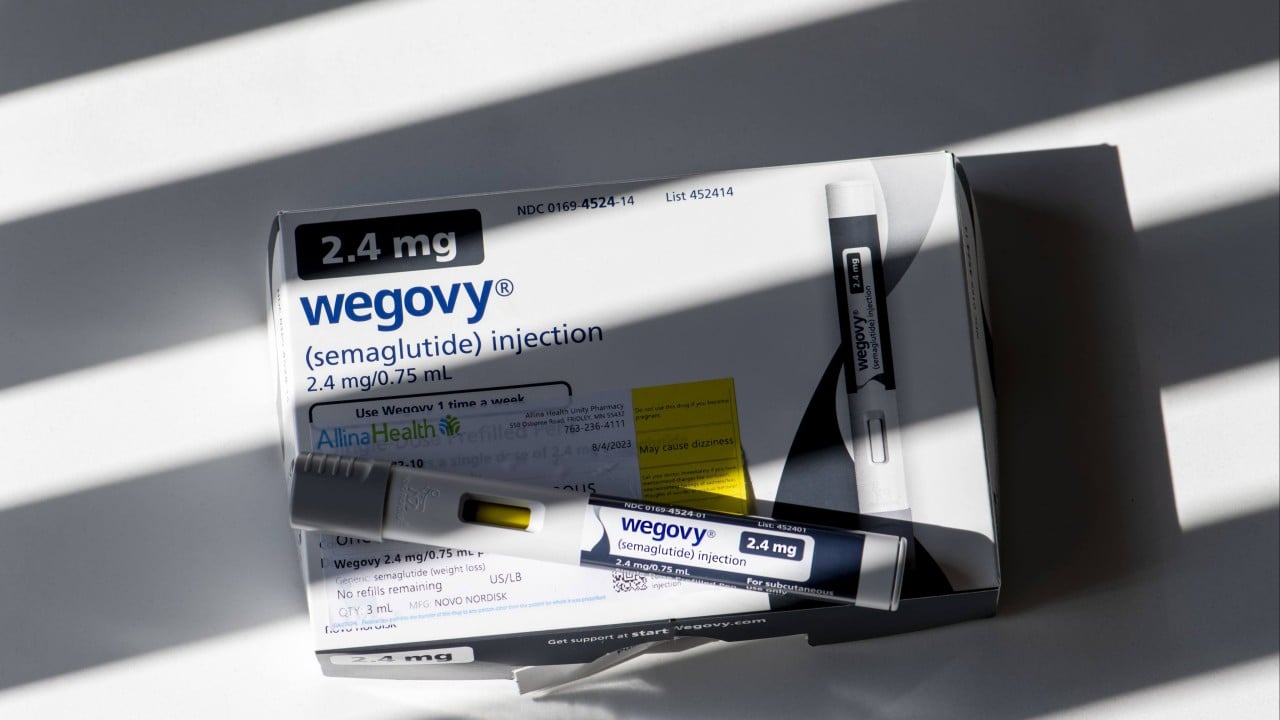
Honestly, if you've spent any time walking through Gangnam or scrolling Korean social media lately, this shouldn't shock you. South Korea has one of the lowest clinical obesity rates in the OECD, hovering around 4% to 6% depending on the metric used, yet the cultural obsession with extreme thinness borders on relentless. When medications like Wegovy (semaglutide) and Saxenda (liraglutide) entered the South Korean market, they didn't just arrive as medical breakthroughs. They landed right in the middle of an ultra-competitive beauty economy where a sharp jawline and a sub-50-kilogram frame are treated like career assets.
I've watched weight-loss trends sweep through East Asia for years, from dangerous herbal diet pills in the early 2010s to extreme intermittent fasting protocols. Nothing compares to the speed of the GLP-1 wave.
How GLP-1 Drugs Became a Lifestyle Accessory in Seoul
To understand why young South Koreans are embracing these injections so fast, you have to look at how prescriptions actually work on the ground. Unlike countries where insurance gatekeepers require months of documented weight-loss attempts and strict Body Mass Index (BMI) audits before approving semaglutide, South Korea's private clinic ecosystem operates on speed and consumer demand.
Walk into a aesthetic or "obesity clinic" in neighborhoods like Apgujeong or Hongdae, and the consultation process is remarkably frictionless. Because these weight-loss injections are generally not covered by the National Health Insurance Service (NHIS) for cosmetic weight loss, patients pay out of pocket. That cash-pay model removes bureaucratic hurdles. If a 24-year-old office worker walks in asking for help losing five kilograms before a wedding or job interview, plenty of private practitioners are willing to write the script off-label, even when the patient's BMI falls well below the standard clinical threshold of 30 (or 27 with weight-related comorbidities).
It's a supply-and-demand loop fueled by hyper-visibility.
- Social proof on steroids: TikTok, Instagram Reels, and Korean forums like Naver Cafe are flooded with "Wegovy diaries" tracking weekly gram-by-gram drops on smart scales.
- The K-pop and influencer standard: When idols and beauty creators openly discuss strict body management, viewers look for the fastest, least painful shortcut to match those proportions.
- Time poverty: Young South Koreans work some of the longest hours in the developed world and face brutal academic and corporate competition. Nobody wants to spend two hours at the gym after a 12-hour shift when a once-a-week pen injection kills their appetite for late-night ramyeon.
What Most People Get Wrong About BMI and Asian Metabolic Risk
Before we rush to judge every Gen Z user in Seoul as purely vain, there's an important medical nuance that Western commentators frequently miss. Standard Western BMI cutoffs don't map cleanly onto East Asian populations.
The World Health Organization (WHO) and the Korean Society for the Study of Obesity (KSSO) both recognize that East Asians develop visceral fat—the dangerous fat stored around internal organs—and metabolic complications like insulin resistance at significantly lower BMIs than Caucasians. In South Korea, clinical obesity is officially defined starting at a BMI of 25 kg/m², not 30. Overweight status begins at 23 kg/m².
Someone who looks slender in an oversized blazer might still carry elevated visceral adiposity or pre-diabetic markers. For that specific subset of young adults, a physician-supervised GLP-1 protocol isn't reckless cosmetic vanity—it's legitimate preventative medicine.
The problem? The survey numbers suggest usage has blown far past the clinically overweight group and straight into normal-weight and underweight demographics.
The Hidden Risks of Using Semaglutide When You're Already Thin
Taking a potent glucagon-like peptide-1 receptor agonist when your body doesn't have excess adipose tissue to spare changes the physiological math entirely. Your body isn't stupid. When caloric intake plummets suddenly because gastric emptying slows down and brain hunger signals go quiet, your metabolism has to pull energy from somewhere.
If you don't have high fat reserves, a disproportionate share of the weight you drop comes from lean muscle mass and bone density.
Researchers studying semaglutide body composition changes have consistently noted that anywhere from 25% to 40% of total weight lost on these medications can be fat-free mass if patients aren't lifting heavy weights and eating high amounts of protein. Now imagine a 22-year-old woman starting at 52 kilograms, eating 800 calories a day because she feels mildly nauseous, and doing zero resistance training. She hits her goal weight of 46 kilograms in two months, sure. Beneath the clothes, though, she's lost crucial skeletal muscle, tanked her resting metabolic rate, and set herself up for "skinny fat" body composition and rapid rebound weight gain the second she stops paying for the pens.
Gastrointestinal Fallout and Off-Label Blind Spots
Then there are the day-to-day side effects that glossy social media transformation posts conveniently crop out:
- Chronic nausea and sulfur burps: Delayed stomach emptying means food sits in the digestive tract far longer than normal, causing bloating, acid reflux, and unpredictable vomiting.
- Gallbladder stress: Rapid weight loss—especially when driven by severe calorie restriction—spikes the risk of gallstones and acute cholecystitis.
- Nutritional deficiencies: When you're barely eating one small meal a day, hitting basic micronutrient targets for iron, B12, calcium, and electrolytes becomes nearly impossible without aggressive supplementation.
- Rebound hunger: Clinical trial extensions, including the well-known STEP 1 trial extension published in Diabetes, Obesity and Metabolism, showed that participants regained roughly two-thirds of their lost weight within a year of stopping semaglutide. The drug doesn't permanently reset your biology; it rents you appetite suppression for as long as you keep paying.
South Korea's Regulatory Pushback Is Already Underway
The surge in off-label prescribing hasn't gone unnoticed by authorities in Seoul. South Korea's Ministry of Food and Drug Safety (MFDS) has repeatedly issued warnings against illegal online sales, counterfeit compounding, and inappropriate prescribing of GLP-1 drugs to patients who fail to meet medical criteria.
When Wegovy officially launched in South Korea in late 2024, initial demand was so intense that clinics reported immediate stock shortages, and underground resellers popped up on secondhand trading apps before regulators cracked down hard on peer-to-peer pharmaceutical listings. Even telemedicine platforms faced heightened scrutiny after stories surfaced of patients obtaining prescriptions after brief phone consultations without in-person weight verification.
Regulatory warnings rarely stop a determined consumer market overnight, though. As long as out-of-pocket private clinics compete fiercely for young aesthetic clients—and as long as new, even stronger dual- and triple-agonist drugs like tirzepatide (Mounjaro) expand their footprint across Asia—demand among Gen Z consumers isn't going to evaporate on its own.
What To Do If You're Considering a GLP-1 Medication
If you're in your twenties and seriously thinking about asking a doctor for a GLP-1 prescription, stop treating it like a skincare routine or a pre-summer juice cleanse. It's a powerful endocrine medication that alters gut-brain signaling.
First, get actual bloodwork and a body composition scan (like a DEXA or clinical InBody analysis) before touching a single injection pen. Know your fasting glucose, HbA1c, lipid panel, and skeletal muscle mass—don't guess based on how your jeans fit. Second, refuse any clinic that hands you a prescription in three minutes without checking your medical history, thyroid background, or baseline BMI. Third, if a legitimate endocrinologist or obesity specialist clears you to start, treat strength training and daily protein intake (at least 1.6 grams per kilogram of target body weight) as non-negotiable rules rather than optional extras. Protect your muscle mass from day one, or you'll pay for it the moment your prescription ends.