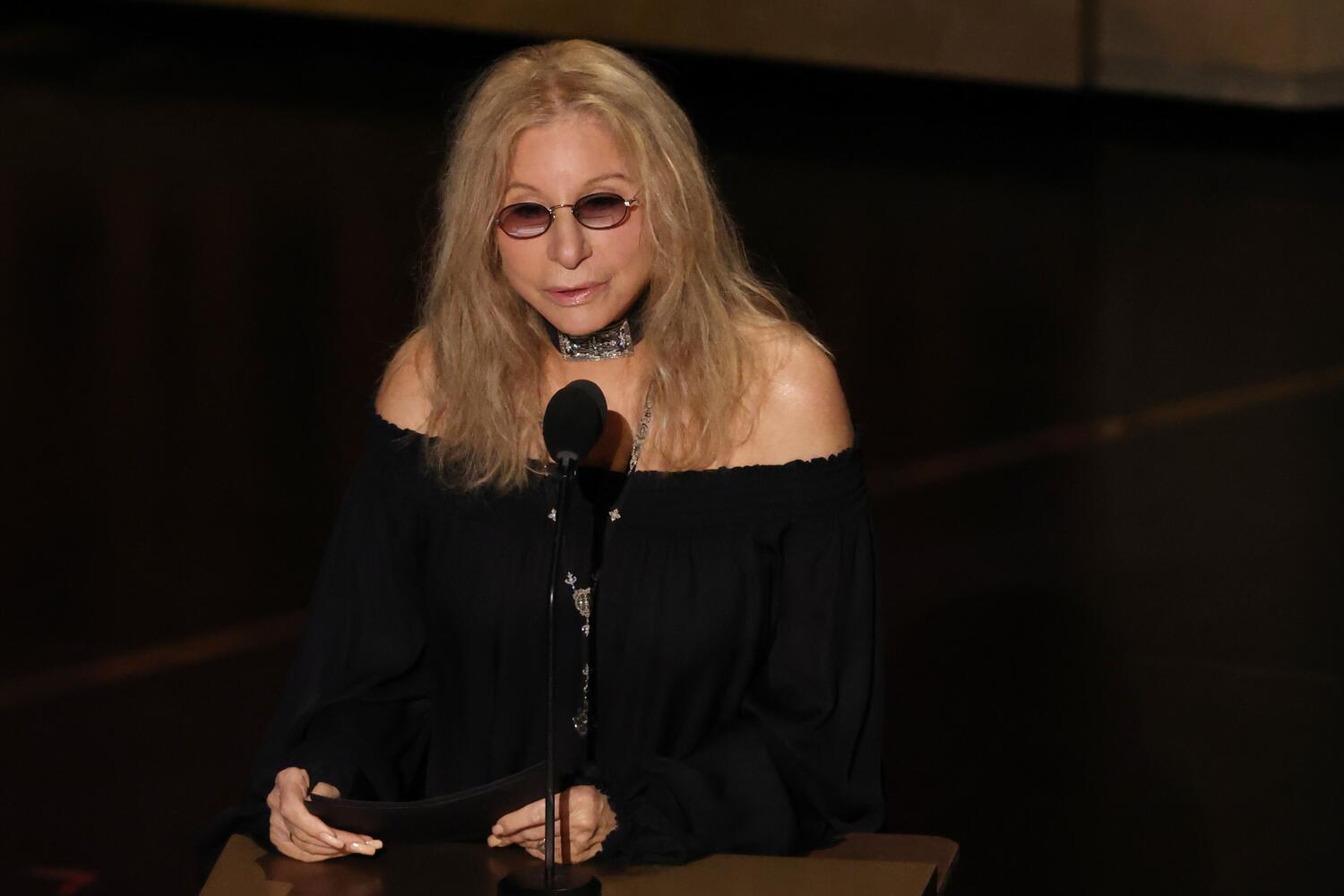
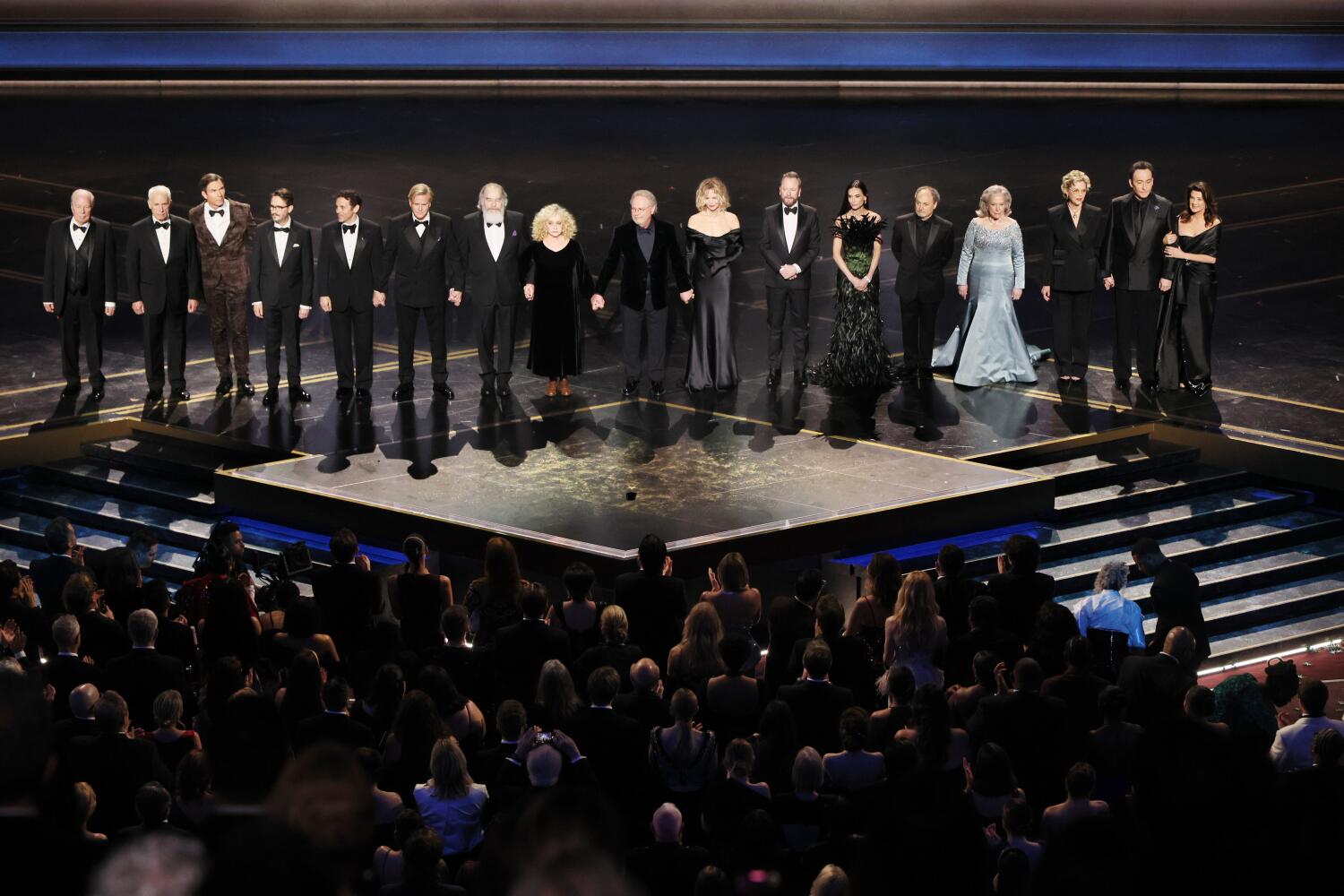
The flashing lights at the Dolby Theatre last night weren't celebrating the pinnacle of cinema. They were documenting a collapse.
While the standard trade publications scramble to rank "best dressed" lists and gush over the "return of glamour," they are missing the systemic rot right in front of them. The 2026 Academy Awards red carpet wasn't a fashion triumph. It was a 90-minute infomercial for luxury conglomerates where the actors have been reduced to high-end mannequins. For a different perspective, read: this related article.
If you think you saw personal style last night, you’ve been conned by a massive PR machine.
The Stylist Industrial Complex Has Killed Charisma
We used to have movie stars. Now we have brand ambassadors. Further reporting on this matter has been published by GQ.
In the 1990s, an actor might show up in something they actually bought, or a vintage piece they found because they liked the silhouette. Today, the red carpet is a legally binding obligation. I’ve sat in rooms where "look books" are traded like debt instruments. The "Best Actress" nominee isn't wearing that sequined column because it speaks to her soul; she’s wearing it because her contract with a French fashion house mandates four "major global appearances" per fiscal year.
This creates a visual desert. When everyone is curated by the same three super-stylists to avoid a "fashion fail" tweet, nobody actually looks good. They just look safe. The "lazy consensus" among entertainment journalists is that this represents the "gold standard" of elegance. In reality, it’s the death of the individual.
When every hemline is measured to the millimeter by a corporate tailor, the human being inside the clothes vanishes. We are watching a parade of intellectual property, not people.
The Death of the "Moment"
The industry is obsessed with creating a "moment." Think Cher in 1986 or Björk in 2001. Those weren't just outfits; they were disruptions. They were messy, polarizing, and authentic.
Now, "moments" are manufactured in spreadsheets six months in advance. The 2026 red carpet was filled with "archival" pulls that felt like homework. Wearing a dress from a 1994 collection isn't a sign of taste anymore—it’s a data-driven tactic to signal "sustainability" and "fashion literacy" to a Gen Z audience. It’s calculated nostalgia.
The result? A profound lack of stakes. If everyone is perfect, nothing is interesting. The reason you can’t remember what the Supporting Actor winner wore ten minutes after they leave the frame is that the outfit was designed to be unassailable, not memorable. We have traded risk for "flawless" execution, and in doing so, we have made the most expensive carpet in the world boring.
The Myth of the Relatable Star
One of the most annoying tropes of the 2026 cycle is the "behind the scenes" social media content. We see the star eating a burger in their gown or joking about how uncomfortable their shoes are.
This is a curated lie.
It’s a tactic designed to humanize a process that is fundamentally dehumanizing. I have seen the physical toll these events take. The corsetry is so restrictive that stars often can’t sit down during the actual ceremony. They are dehydrated to ensure "definition" for the cameras. There is nothing relatable about a human being acting as a structural support for $2 million in borrowed diamonds.
By pretending it’s "just a fun night out," the industry avoids the uncomfortable truth: the red carpet is a high-pressure workplace where a single stray hair can devalue a performer’s "brand equity" by millions.
Stop Asking "Who Are You Wearing"
The question itself is the problem. It assumes the designer is the protagonist and the actor is the setting.
If we want to save the Oscars—and by extension, the concept of the Movie Star—we need to stop rewarding this corporate symmetry. We should be asking different questions:
- "Did you have any say in this look, or was it decided by a board of directors?"
- "How much did the jewelry house pay your publicist to ensure this necklace got a close-up?"
- "Do you actually feel like yourself, or are you playing a character called 'Oscar Nominee'?"
The industry insiders will tell you this is "just how the business works." They’ll say the jewelry loans and the dress contracts fund the smaller films we claim to love. That is a convenient fiction. The money flows into the pockets of the same few power players, while the art of the "star" continues to erode.
The Contrarian Truth: We Need More Bad Outfits
The only way to bring life back to the red carpet is to embrace the possibility of failure.
We need actors to fire their stylists. We need them to go to a boutique, pick something they actually like, and walk out there without a team of fourteen people checking for sweat stains. We need the return of the "Fashion Disaster."
A disaster is human. A disaster shows that someone made a choice. The 2026 Academy Awards were a triumph of logistics and a failure of spirit. Every "perfect" look was a nail in the coffin of the charismatic, unpredictable Hollywood icon.
If you want to see the future of the industry, don’t look at the winners’ list. Look at the glazed eyes of the people on the carpet. They aren't there to celebrate movies. They are there to fulfill a quota.
The red carpet isn't a runway anymore. It’s an assembly line. And as long as we keep praising the "flawless" results, we are just asking for more of the same polished, expensive nothingness.
Burn the look books. Fire the consultants. Bring back the mess.
Until an actor is willing to be mocked for their taste, they don’t actually have any.