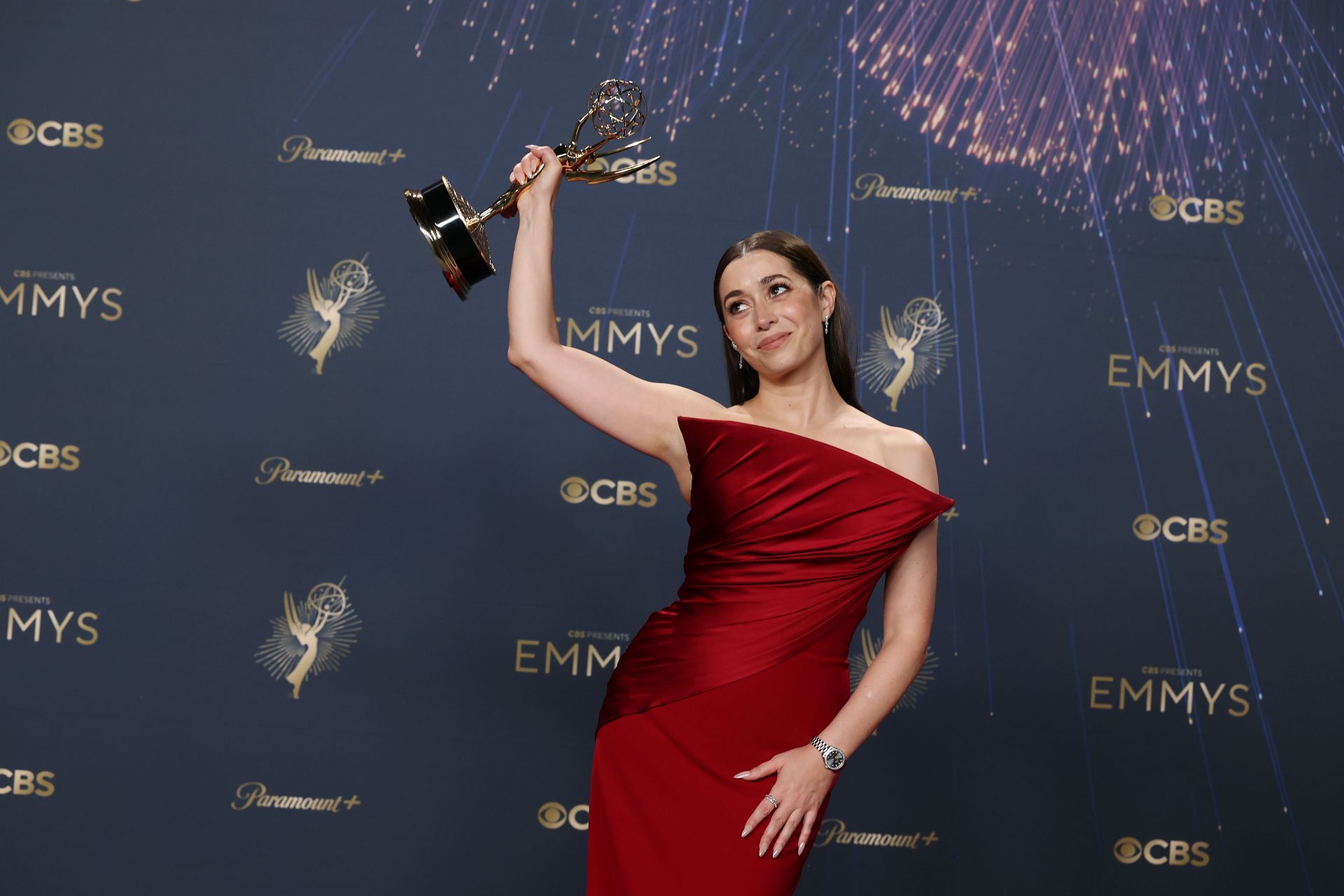
Every single entertainment publication right now is publishing the exact same regurgitated press release disguised as journalism. They want you to believe the 2026 Emmy Awards ceremony represents a watershed moment for television. They tell you to look out for sweeping historical upsets, fierce genre battles between high-budget streaming franchises, and a triumphant return to prestige appointment viewing.
It is all a carefully orchestrated marketing fabrication.
The industry is currently trapped in a terminal cycle of self-congratulation, honoring shows that nobody watches while ignoring the structural collapse of the business model that funded them. If you tune into the telecast expecting a meritocratic celebration of artistic excellence, you are walking directly into a trap set by aging network executives who refuse to read the room.
Let us look at the actual math governing this year's eligibility window. The television ecosystem is contracting faster than a dying star. Streaming platforms have pulled back on overall output by nearly thirty percent compared to the peak spending years of the pandemic era. Budgets are slashed. Middle-tier scripted dramas have been systematically wiped off the map to make room for reality television reruns and ad-supported FAST channels. Yet the Television Academy pretends we are still living in the golden age of peak content abundance.
The lazy consensus says this year's race is wide open because the broadcast networks and traditional cable players are mounting a fierce counter-offensive against Silicon Valley streamers. That narrative collapses the second you examine the distribution metrics. Viewership for the ceremony has flatlined among anyone under the age of forty-five. The voters themselves—thousands of working industry professionals who mostly work behind the scenes—do not represent the global audience. They represent a very specific, insular Hollywood working class voting for projects that employed their friends during the previous fiscal year.
When you understand that dynamic, the entire nomination process stops looking like an artistic evaluation and starts looking like an internal employment insurance scheme.
Consider the dominance of returning franchises. Year after year, the Academy rewards familiar intellectual property out of sheer cognitive laziness. Voters faced with dozens of screeners gravitate toward the title they recognize or the cast they worked with on a lot three years ago. When a fresh independent series breaks through the noise, it usually serves as a token inclusion rather than a systemic shift. It is the television equivalent of greenwashing.
Meanwhile, the economic reality facing actual creators is bleaker than ever. Residual payments have evaporated. Writers rooms are shrinking to skeleton crews of three or four people churning out entire seasons under impossible deadlines. The glamorous red carpet parade you watch on television is a distraction broadcast designed to keep public attention away from a labor market in deep structural distress. Every gilded statuette handed out on stage is paid for by the invisible degradation of working conditions below the line.
Some might argue that celebrating the pinnacle of the craft still matters for the cultural conversation. That argument relies on the outdated premise that a unified cultural conversation around television even exists anymore. We do not share a watercooler culture. We live in hyper-fragmented algorithmic silos. A show winning twelve statuettes today generates zero cultural penetration outside its niche bubble. My neighbor has never heard of last year's top drama winner, and frankly, they are better off for it.
If you insist on watching the broadcast, stop treating it like a sports championship where the best team wins. Treat it for what it actually is. It is an industry trade association handing out bonuses to itself while the building burns down around them.
The smart move is turning the television off, canceling your fourth redundant streaming subscription, and finding something made by people who actually give a damn about storytelling rather than Emmy campaign spend.


