Most viral cleaning products on TikTok and Instagram are glorified soap with a shiny label. You scroll past a twenty-second clip of someone wiping burnt grease off a baking sheet with zero effort, click the link in bio, and end up with a thirty-dollar bottle of scented water sitting under your sink.
I've tested dozens of these trending cleaners over the past year. Some of them ruined my quartz countertops. Others gathered dust after one disappointing scrub. Yet a select handful of 2026 viral cleaning products genuinely deserve the obsession, cutting my weekend chore time in half without destroying my surfaces.
If you're tired of falling for clever video editing and paid sponsorships, let's break down what actually works, the chemistry behind why it works, and where you should save your cash.
Why Most Viral Cleaning Hacks Fail in Real Homes
Social media creators rarely show you the full picture. When a video shows baked-on carbon sliding off a glass oven door in three seconds, they usually left the chemical sitting on the glass for four hours before hitting record. Or they used a razor scraper off-camera.
Lighting plays a massive role too. Ring lights hide streaks on stainless steel and make dull grout look bright white. Even worse, plenty of trending "miracle mixes" combine household ingredients that cancel each other out. Mixing baking soda and vinegar creates a fun fizzing reaction, sure. Chemically, you're just making salt water and carbon dioxide gas, losing both the acidic cleaning power of the vinegar and the alkaline grease-cutting power of the baking soda.
Real cleaning relies on four basic principles known in the janitorial industry as Sinner's Circle:
- Chemical action (the actual formula breaking down dirt)
- Mechanical action (scrubbing, scraping, or water pressure)
- Temperature (hot water speeding up molecular breakdown)
- Time (letting a product dwell before wiping)
When a viral product works, it's because it maximizes one or two of those four elements better than standard grocery store sprays.
The Heavy Hitters That Earned Permanent Space Under My Sink
You don't need twenty different bottles cluttering your cabinets. You need four or five reliable workhorses that handle specific types of mess—grease, soap scum, dust, and stains.
Electric Spin Scrubbers With High-Torque Motors
Early versions of cordless electric spin scrubbers were a joke. You'd press the brush head against a shower tile, and the motor would stall immediately. The newer 2026 models fixed that flaw with brushless motors and higher RPM outputs.
I use mine exclusively for bathroom grout, fiberglass shower pans, and textured tile floors. Instead of wrecking your wrists and knees trying to generate mechanical friction, the oscillating bristles do the work at 300 to 400 rotations per minute. Look for a model with an IPX7 waterproof rating and swappable flat, corner, and dome brush heads. Avoid anything under forty dollars—cheap batteries die within three months of regular moisture exposure.
Hypochlorous Acid Sprays
If you haven't switched from harsh bleach sprays to hypochlorous acid (HOCl), you're making life harder than it needs to be. Hypochlorous acid is a weak acid created when electricity passes through a mixture of salt and water. Your own white blood cells produce it to fight off bacteria.
It kills 99.9% of germs, including norovirus and staph, yet it's gentle enough to spray directly on baby toys, pet bowls, and granite counters without rinsing. Unlike sodium hypochlorite (standard household bleach), HOCl won't bleach your favorite sweatpants if it splashes, and it doesn't leave behind toxic fumes that trigger asthma.
Keep one thing in mind before buying. Light and heat break hypochlorous acid down back into plain salt water. Buy it in opaque bottles, store it in a dark cabinet, and check the expiration date.
Enzyme-Based Drain and Laundry Digesters
Chemical drain openers like lye generate intense heat that can warp PVC pipes and corrode older metal plumbing. Enzyme cleaners take the opposite approach. They contain live, non-pathogenic bacteria that produce specific enzymes—protease for proteins, lipase for fats, and amylase for starches.
When you pour an enzyme treatment down a sluggish bathroom sink or spray it onto a grass-stained jersey, those bacteria literally eat the organic waste. They don't work instantly. You have to pour them in at night and let them sit for eight hours without running water. For organic messes like pet accidents, sweat stains, and food grease, nothing touches them.
Silicone Broom Squeegees
It looks like a giant windshield wiper on a stick, and honestly, it looks ridiculous. Then you use it on a low-pile rug where your vacuum just went over twice.
Traditional bristle brooms flick dust into the air and leave hair tangled in the fibers. A rubber or silicone squeegee broom creates static friction against carpet fibers, pulling embedded pet hair and human hair out of the weave in thick clumps. On hardwood and tile, the flexible blade forms a tight seal against the floor, sweeping up broken glass, spilled flour, and stray kibble in a single pass without leaving a trail behind. You rinse it under the tap when you're done. Zero maintenance.
What You Should Skip Despite the Hype
Not everything trending on your feed belongs in your cart. Some products are redundant, overpriced, or actively dangerous to your home's finishes.
Scented Bead Boosters and Dryer Sheets
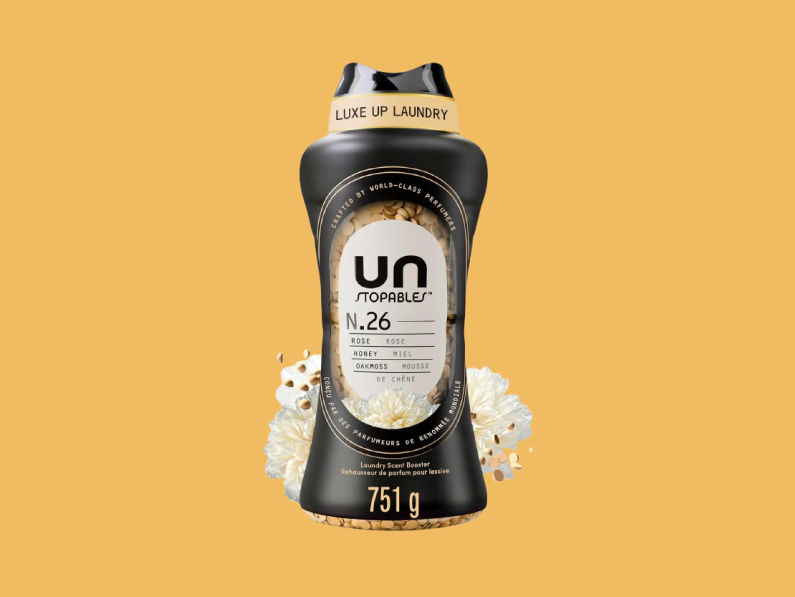
Laundry fragrance beads went viral again thanks to "restock" videos showing influencers pouring massive scoops into their washing machines. Those beads are made of polyethylene glycol—a water-soluble plastic—coated in synthetic fragrance oils.
They don't clean your clothes. Over time, the waxy residue builds up inside your washing machine's drum and drain pump, trapping bacteria and causing that musty "wet dog" smell people try to cover up with even more beads. On athletic wear and towels, that coating blocks fabric pores, ruining moisture-wicking properties and making bath towels less absorbent. Stick to plain liquid detergent and a splash of white vinegar in the fabric softener compartment.
Paste Cleaners on the Wrong Surfaces
Abrasive cleaning pastes—like The Pink Stuff or Bar Keepers Friend—are phenomenal tools when used properly. The problem is watching influencers rub them onto glossy refrigerator doors, painted drywall, and sealed marble.
These pastes contain fine mineral abrasives like quartz or feldspar. On baked-on stainless steel pots, porcelain sinks, and glass stovetops, they scrub away burnt residue without scratching. On soft metals, natural stone, or high-gloss plastics, they act like fine-grit sandpaper. Once you dull the factory clear coat on an appliance or strip the sealant off marble, you can't wipe the shine back on.
Multi-Surface Concentrate Tablets
Refillable glass spray bottles paired with dissolvable cleaning tablets look great on a minimalist countertop. In practice, most of them are weak.
To keep the tablets shelf-stable and fizzing nicely in tap water, manufacturers pack them with citric acid and baking soda derivatives. They work fine for wiping down dust or fresh juice spills on a laminate table. Try using one on greasy stovetop splatters or soap scum in a shower, and you'll end up scrubbing three times harder than you would with a standard surfactant-based degreaser. Save your money and buy commercial-grade concentrated liquid refills instead.
How to Spot a Gimmick Before You Buy
You don't need a chemistry degree to filter out bad cleaning advice. Run every viral product through a quick mental checklist before hitting checkout.
First, look at the active ingredients. If a brand refuses to list what's inside their bottle and hides behind terms like "proprietary plant-powered formula," walk away. Real cleaners tell you whether they rely on surfactants, acids, alkalis, or enzymes.
Second, pay attention to dwell time in the video. If a creator sprays a surface and wipes it immediately with a pristine white microfiber cloth, the dirt wasn't stuck to begin with. Real grime needs time for chemical bonds to break down.
Finally, check what happens to the sponge or cloth. Many viral videos cut away right before the creator rinses their rag, hiding the fact that the product just smeared grease around rather than emulsifying it so water could wash it away.
Build a Smarter Cleaning Kit Today
Stop buying single-use gadgets and pretty bottles that solve problems you don't have. Empty out the half-used sprays cluttering your cupboard and strip your routine down to the essentials that rely on proven chemistry:
- Grab a bottle of hypochlorous acid for daily sanitizing on counters, doorknobs, and electronics.
- Keep an enzyme cleaner handy for laundry stains, pet messes, and slow drains.
- Invest in a high-torque electric spin scrubber if you have tiled bathrooms or stubborn tub rings.
- Pick up a silicone squeegee broom if you live with shedding pets or long-haired roommates.
- Use abrasive pastes strictly on hard, non-porous surfaces like stainless steel, ceramic, and glass.
Your house will get cleaner in half the time, your finishes will stay intact, and your bank account won't take a hit every time an algorithm decides a new sponge is famous.