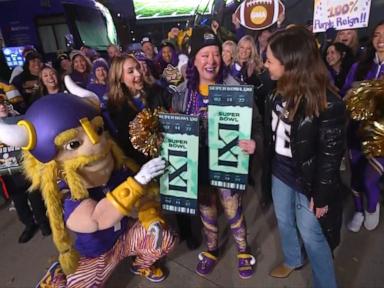
Two games. Out of roughly two hundred regular-season home matchups spanning a quarter-century, one Minnesota Vikings superfan has only missed two of them.
Think about that math for a second. Twenty-five NFL seasons means enduring sub-zero Minneapolis winters, watching stadium roofs literally collapse under heavy snow, sitting through heartbreaking field-goal misses, and paying for season tickets through years when the roster looked completely lost. Most people struggle to keep a gym membership active for six months, yet this level of consistency in the stands borders on superhuman.
When local news outlets highlight a Vikings superfan who has only missed two home games in 25 seasons, casual observers usually treat it like a quirky human-interest clip. They smile at the face paint, marvel at the vintage jerseys, and scroll right past. That reaction misses the entire point. Maintaining a multi-decade stadium attendance streak isn't just about loving football—it's a masterclass in financial planning, cold-weather logistics, and psychological endurance that puts corporate "loyalty" programs to shame.
The Brutal Reality Behind a 25-Season Vikings Streak
Anyone who thinks holding season tickets in Minnesota is just showing up on Sundays with a foam finger has never actually done it. Over a 25-year span, the franchise has bounced across multiple venues, shifting from the loud, cramped confines of the Hubert H. Humphrey Metrodome to an outdoor stint at TCF Bank Stadium (now Huntington Bank Stadium) while U.S. Bank Stadium was under construction.
Each venue change brings a completely different set of survival rules.
During the Metrodome era, fans dealt with deafening indoor acoustics, notorious trough urinals, and the constant smell of stale beer and Dome Dogs. Then came the 2010 roof collapse, which forced games to be relocated or delayed, testing the patience of every ticket holder in the Upper Midwest. When the team moved outdoors to the University of Minnesota's campus for the 2014 and 2015 seasons, wind chills routinely plunged well below zero. If you didn't bring cardboard to stand on so the frozen concrete wouldn't suck the heat right through your boots, you weren't making it to the fourth quarter.
Today, U.S. Bank Stadium offers climate-controlled luxury, glass doors, and clear sightlines, yet the logistical hurdles haven't disappeared. Ticket prices have climbed alongside Personal Seat License (PSL) fees, traffic around downtown Minneapolis bottlenecks hours before kickoff, and life keeps throwing curveballs. Weddings, family emergencies, flu seasons, and brutal snowstorms all conspire to break an attendance streak. Missing only twice across 25 years means making ruthless compromises every single autumn since the turn of the century.
Why Most Sports Fans Quit Long Before Year Ten
Let's be honest about modern NFL fandom. It is easier than ever to stay home.
With 4K broadcasts, NFL RedZone, instant replay angles, and heated living rooms, the stadium experience faces fierce competition from your own couch. When a team goes through a rebuilding year—or suffers a crushing playoff exit like the 1998 NFC Championship or the 2009 loss in New Orleans—thousands of fans quietly let their season tickets lapse. They decide the juice isn't worth the squeeze.
Here is where the true superfan separates from the pack:
- Emotional detachment from the scoreboard. If your attendance depends on the team winning ten games a year, you won't last five seasons. Die-hards treat game day as a sacred ritual regardless of whether the starting quarterback is a Pro Bowler or a third-string emergency signing.
- Community over consumption. After ten or fifteen years in the same section, the people sitting next to you stop being strangers. You watch their kids grow up, share thermos coffee during December tailgates, and celebrate milestones together. Skipping a game feels like ditching family.
- Sunk-cost mastery. Once you hit year fifteen with only one or two absences, protecting the streak becomes its own sport. You schedule medical procedures in March, plan vacations for the bye week, and decline autumn wedding invitations without blinking.
The Economics of Die-Hard NFL Fandom
People love to ask how regular working folks afford a 25-year NFL attendance streak. The truth is less glamorous than you'd think.
Nobody wakes up in their twenties with twenty grand sitting around for future stadium parking and overpriced nachos. Long-term season ticket holders treat their seats like a utility bill. They budget for the annual renewal invoice the exact same way they budget for property taxes or mortgage payments, setting aside small amounts every month during the offseason so the spring invoice doesn't sting.
They also know how to trim the fat on game day. Rookies spend $150 per person inside the concourse before halftime. Veterans eat a heavy breakfast at home, park a mile away in a ramp that costs ten bucks instead of sixty, and layer up so they aren't buying emergency $45 knit caps at the team store. When you amortize those habits over two hundred games, the savings easily fund several seasons' worth of tickets.
What Makes Minnesota's Fan Culture Different
Every NFL city claims to have the best fans, usually pointing to tailgate recipes or decibel records. Green Bay has the cold and the public ownership model. Buffalo has folding tables and wings. Philadelphia has sheer, unfiltered intensity.
Minnesota occupies a weirder, more stoic space.
The Vikings have never won a Super Bowl, despite appearing in four of them during the 1970s and fielding some of the most electrifying rosters in league history. That lack of a Lombardi Trophy creates a specific kind of scar tissue. You don't stick around for 25 seasons in purple and gold because you expect guaranteed glory. You stick around because the shared misery and sudden bursts of magic—like the Minneapolis Miracle in January 2018—bind the fanbase together in a way front-running franchises simply can't replicate.
When a fan sits in those stands for a quarter-century, players and coaches become temporary visitors passing through their building. Randy Moss, Adrian Peterson, Justin Jefferson, Mike Zimmer, Kevin O'Connell—they all come and go, while the person in Section 118, Row 12 remains the constant.
How to Build Your Own Unbreakable Game-Day Ritual
You don't need a 25-year head start or a Personal Seat License to experience that level of connection to a team. Most fans miss out on the best parts of live sports because they treat games like one-off entertainment events rather than ongoing traditions.
If you want to turn casual fandom into something that actually sticks, start with three practical moves this season:
- Lock down your crew early. Pick two or three people who actually show up on time and don't complain when the weather turns ugly. Reliable company matters more than great sightlines.
- Establish a pre-game anchor. Whether it is meeting at the exact same parking lot corner two hours before kickoff or grabbing breakfast at a specific diner near the stadium, repetition turns an ordinary Sunday into a tradition.
- Document the small stuff. Take one photo from your seats at every single game you attend—not just the big prime-time matchups, but the meaningless Week 17 games in the freezing rain. Twenty years from now, those blurry shots of half-empty upper decks will mean far more to you than any highlight reel on YouTube.
Show up when the team is 2-9, stay until the clock hits zero, and stop letting bad weather or bad seasons decide where you spend your Sundays.