The promise was written in the blood and sweat of twenty years of desert warfare, but it is being erased in a windowless briefing room in Washington. More than 1,100 Afghan nationals, many of whom served as the eyes and ears of the American military, are currently facing a choice that sounds more like a threat: return to the Taliban-controlled homeland they fled for their lives, or be resettled in the Democratic Republic of Congo.
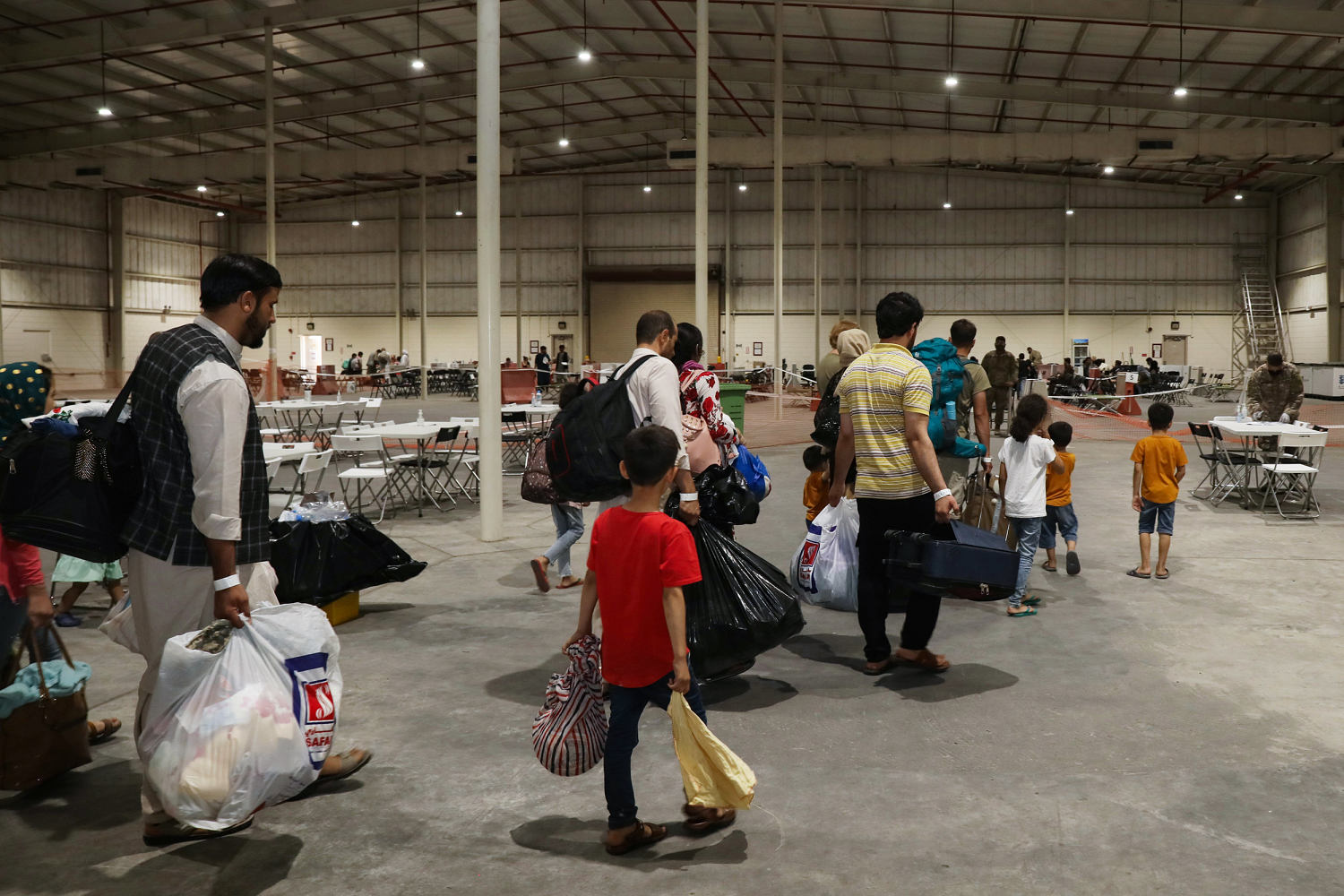
This is not a hypothetical policy debate. It is a live logistical operation centered on Camp As Sayliyah, a former U.S. Army base in Qatar that has become a gilded cage for those the U.S. government once called "brothers in arms." For months, these vetted allies have waited for the Special Immigrant Visas (SIVs) they were promised. Instead, they are being offered a one-way ticket to a central African nation currently grappling with one of the world's most volatile humanitarian crises and an ongoing internal conflict.
The Infrastructure of Rejection
The move signals a radical shift in how the United States handles its wartime obligations. Under the current administration, the SIV program—once a bipartisan pillar of American foreign policy—has been effectively dismantled from the inside out. While the State Department publicly maintains that "voluntary resettlement" to third countries is a "positive resolution," the reality on the ground is a coordinated shutdown of the pipeline to American soil.
The technical mechanism for this rejection is the expansion of travel bans and a freeze on immigrant visa processing for Afghan nationals. Even for those who have passed every background check and secured "Chief of Mission" approval, the final gate has been padlocked. In February, a federal judge ruled that the pause on SIV processing was illegal, yet the administration has bypassed this by resuming interviews only to issue blanket denials under security clauses like Section 212(f).
By shifting these individuals to the Congo, the administration effectively clears the books of a "problematic" population without the political fallout of a mass deportation back to Kabul. It is a geographic sleight of hand.
Why the Congo
The selection of the Democratic Republic of Congo (DRC) as a destination is strategically curious and humanitarily baffling. The DRC is currently home to over 7 million internally displaced persons. It is a country where the eastern provinces are effectively governed by a patchwork of rebel militias, and where infrastructure is often non-existent.
The logic behind the choice appears to be based on "capacity" and "willingness," but insiders suggest it is a deterrent. If the goal is to discourage future refugees, offering a transfer to a conflict zone is a potent message. For the Afghan families at Camp As Sayliyah—which includes over 400 children—the prospect of moving from one war zone to another is not a rescue; it is a lateral move into further peril.
The Qatar Deadline
The urgency of this "Congo Gambit" is driven by a hard deadline. The U.S. government had set March 31, 2026, as the date to cease operations at the Qatar facility. With the clock run out, the administration is desperate to clear the camp.
Advocacy groups like #AfghanEvac have reported that the "choices" presented to these refugees are increasingly coercive.
- Option A: Accept a stipend and return to Afghanistan, where the Taliban has already resumed extrajudicial killings of former U.S. contractors.
- Option B: Board a plane to the DRC with no clear legal status, no guaranteed housing, and no path to the American life they were promised.
The Moral Cost of Tactical Pragmatism
There is a cold, mathematical logic to this policy. By offshore-ing the resettlement process, the administration removes the logistical burden from the Department of Health and Human Services and the political burden from the White House. It avoids the optics of "bringing the war home" while technically fulfilling a vague obligation to move people out of Qatar.
However, the long-term cost to American credibility is unquantifiable. Intelligence assets in future conflicts—whether in the South China Sea, Eastern Europe, or the Middle East—will look at the images of Afghan interpreters being offloaded in Kinshasa and wonder if the American promise is worth the paper it’s printed on.
When you burn your bridges, you ensure that no one will follow you across the next one.
The Legal Shell Game
The administration’s defense hinges on the term "voluntary." If an Afghan ally signs a document agreeing to go to the Congo, the government can claim it has met its humanitarian requirements. But "voluntary" is a flexible word when the alternative is a Taliban firing squad or indefinite detention in a desert camp.
Lawyers representing the families argue that the vetting has already been completed. These people are not security risks; if they were, they wouldn't have been housed on a U.S. base in Qatar for years. They are victims of a policy that views refugees as a liability to be managed rather than a debt to be paid.
The strategy is clear: make the process of reaching America so difficult, so dangerous, and so unlikely that the candidates simply give up. Whether they disappear back into the mountains of the Hindu Kush or the jungles of the Congo, the result is the same for the bureaucrats in Washington. They are gone.
The 1,100 people in Qatar are just the beginning. With over 200,000 Afghans still eligible for SIV status and the program effectively dead, the precedent being set today at Camp As Sayliyah will govern the fate of thousands more. The United States is not just closing its borders; it is outsourcing its conscience to the highest—or in this case, the most desperate—bidder.
America's longest war is ending not with a treaty or a victory, but with a relocation notice to a country that cannot even feed its own.