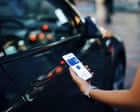
Your car knows where you sleep, where you work, and what time you picked up groceries last Tuesday. For most drivers, that's just modern convenience wrapped in a shiny smartphone app. For someone trying to escape an abusive partner, it's a digital ankle monitor parked in the driveway.
Researchers studying technology-facilitated abuse have raised serious alarms about how domestic violence perpetrators misuse smart car features to stalk, harass, and control victims. Unlike a cheap Bluetooth tracker slipped into a coat pocket, connected vehicle ecosystems are baked directly into the hardware of the automobile. You can't just toss the car in a dumpster and buy a new one.
I've spent years following consumer privacy and connected tech, and honestly, the automotive industry has a massive blind spot here. Automakers spent the last decade racing to turn vehicles into rolling smartphones. They built companion apps that let owners track GPS locations in real time, honk the horn remotely, flash headlights, lock doors, and adjust cabin temperatures from thousands of miles away. Nobody at the product design meetings stopped to ask what happens when an abusive spouse holds the primary account login.
Why Connected Cars Are a Stalker's Dream Tool
Traditional stalking required physical proximity or hidden aftermarket devices. Smart cars eliminate both hurdles.
Modern vehicles sold by major manufacturers—including Tesla, Ford, General Motors, Hyundai, and BMW—come standard with embedded cellular modems and companion mobile apps. When a couple buys a car together, one person almost always sets up the primary digital profile. Even if the other partner drives the car every single day, the primary account holder retains god-mode access through their phone.
Think about what that actually means in practice. An abuser sitting at a desk across town can open an app and watch a live map showing the survivor's exact route to a domestic violence shelter, a divorce attorney's office, or a friend's safe house.
It goes way beyond passive tracking. Researchers from institutions like University College London (UCL) and advocates at the National Network to End Domestic Violence (NNEDV) have documented how perpetrators use remote vehicle commands for psychological intimidation. Imagine driving down the highway at night when your headlights suddenly start flashing, the horn blasts repeatedly, or the climate control cranks up to ninety degrees. You pull over, terrified the car is malfunctioning, only to realize your ex is controlling the dashboard from their living room.
In extreme cases, remote access becomes physical imprisonment. Certain connected systems allow an app user to lock doors or disable the vehicle's ignition remotely. While automakers design immobilizers to stop car thieves, a controlling partner can use that exact same feature to trap a victim inside a garage or strand them in an isolated parking lot.
The Ownership Trap That Automakers Ignored
You might wonder why a survivor doesn't just change the password or delete the app. If only it were that simple.
Car ownership and digital access rarely align in abusive relationships. Financial abuse often runs parallel to physical and emotional control. Perpetrators frequently put the vehicle title, loan, or lease strictly in their own name, even when the victim makes the monthly payments.
When a survivor contacts an automaker's customer support line to revoke remote access, they hit a brick wall of corporate liability policies. Automakers treat the person listed on the title or primary financial contract as the sole rightful owner. If a survivor asks Ford or Tesla to boot their estranged spouse off the companion app, customer service agents routinely demand a copy of the vehicle title, a court order, or a formal divorce decree before touching the account.
Getting a court order takes weeks or months. Abusers escalate their behavior in hours.
Even when the survivor's name is on the title, disconnecting a car from the internet isn't like turning off airplane mode on an iPhone. You can't easily rip out the telematics control unit without triggering dashboard warning lights, voiding warranties, or disabling essential safety features like airbags and emergency crash notifications. Some vehicles won't even start if their cellular module is physically tampered with.
What Happens Inside the Cabin
The data trail doesn't stop at the mobile app. Modern infotainment systems act like vacuum cleaners for personal data.
The moment you plug your phone into Apple CarPlay or Android Auto, or pair it via Bluetooth, the car's head unit often downloads your entire contact list, recent call logs, and text message history. Navigation systems store previous destinations, favorite addresses, and voice search recordings locally on the vehicle's hard drive.
Consider an illustrative example of how this plays out. A survivor borrows a shared family SUV to visit a confidential counseling center. They never open the manufacturer's smartphone app, thinking they're safe from tracking. Two days later, the abuser gets into the driver's seat, taps the "Recent Destinations" tab on the dashboard touchscreen, and sees the exact street address of the clinic.
Built-in Wi-Fi hotspots create another silent vulnerability. Many newer vehicles broadcast an in-car wireless network. If an abuser controls the cellular data plan tied to that hotspot, they can inspect router logs to see which websites or support resources a victim accessed while sitting in the passenger seat.
Real-World Cases and Legal Blind Spots
This isn't a hypothetical cybersecurity thesis. Courts and domestic violence advocates are already dealing with the fallout.
Reuters and major tech outlets have reported on documented court cases where survivors pleaded with automakers to disable tracking features, only to be told the company couldn't intervene without the abuser's consent. In one widely cited California case, a woman driving a Tesla reported that her estranged husband used the app to track her movements, unlock the doors, and harass her remotely, yet Tesla refused to remove his access because his name remained on the title.
Lawmakers have started noticing, though legislation moves painfully slowly compared to software updates. In the United States, the Safe Connections Act was passed to help survivors separate their mobile phone lines from shared family plans without alerting abusers. It was a huge win for telecom privacy. Yet connected cars sit in a regulatory gray zone. Automakers aren't classified as traditional wireless carriers, meaning the exact same protections don't automatically force car companies to sever digital access for domestic violence victims.
Privacy researchers point out another glaring flaw. Most connected car apps don't send clear, persistent notifications to the person actually driving the vehicle when someone checks their location remotely. If an abuser pings the car's GPS fifty times in an afternoon, the dashboard stays completely silent. There's no blinking icon, no chime, and no audit log accessible to the driver.
Practical Steps to Lock Down a Connected Vehicle
If you or someone you know is dealing with technology-facilitated abuse involving a smart car, waiting for automakers to fix their UX design isn't an option. You have to take immediate, tactical steps to cut off data leaks.
Start by auditing what the car actually knows. Sit in the driver's seat with the engine running and go straight into the infotainment system's settings menu. Look for a "Factory Reset" or "Delete Personal Data" option. Wiping the head unit clears saved home and work addresses, paired Bluetooth devices, synced phone contacts, and navigation history. Do this before leaving a relationship if you can do it safely without tipping off the other person, or immediately after reaching a secure location.
Next, check the companion app permissions if you have access to the primary account. Log into the automaker's web portal—not just the phone app—and look for secondary driver profiles, authorized users, or active API tokens. Some owners connect their cars to third-party apps for insurance discounts, mileage tracking, or smart home automation. Revoke every single third-party integration.
If the abuser holds the primary account and refuses to relinquish control, stop relying on that vehicle for sensitive travel. No software tweak will override a primary account holder's privileges if the car's cellular modem remains active.
- Use alternative transportation for critical trips. Take a cab, use public transit, or borrow a friend's older car when visiting shelters, legal aid offices, or family courts.
- Check for physical trackers anyway. Abusers rarely rely on a single method. Inspect wheel wells, under the floor mats, inside the trunk lining, and around the OBD-II diagnostic port under the steering column for AirTags, Tile trackers, or hardwired GPS boxes.
- Document everything. Take screenshots of strange vehicle behavior, unexpected app notifications, or text messages where the abuser references locations they couldn't possibly know. Judges increasingly recognize digital stalking as grounds for emergency restraining orders.
- Contact specialized advocates. Organizations like the National Domestic Violence Hotline and the Safety Net Project maintain up-to-date guides on dealing with connected vehicle stalking and can help survivors navigate legal requests to automakers.
Automakers love marketing connected cars as rolling sanctuaries that keep families safe. Until manufacturers build emergency privacy overrides, clear tracking alerts on the dashboard, and rapid account separation tools for survivors, those smart features remain a dangerous liability in the wrong hands. Take control of your vehicle's data settings today, wipe your local navigation history, and never assume a locked car door means you're actually alone.