The zipper on my favorite wool trousers dug into my hip bone at 2:14 p.m. on a damp Tuesday in October, and I remember thinking, with a sharp, irrational clarity, that I had wasted half my life pretending metal hardware felt good against human skin.
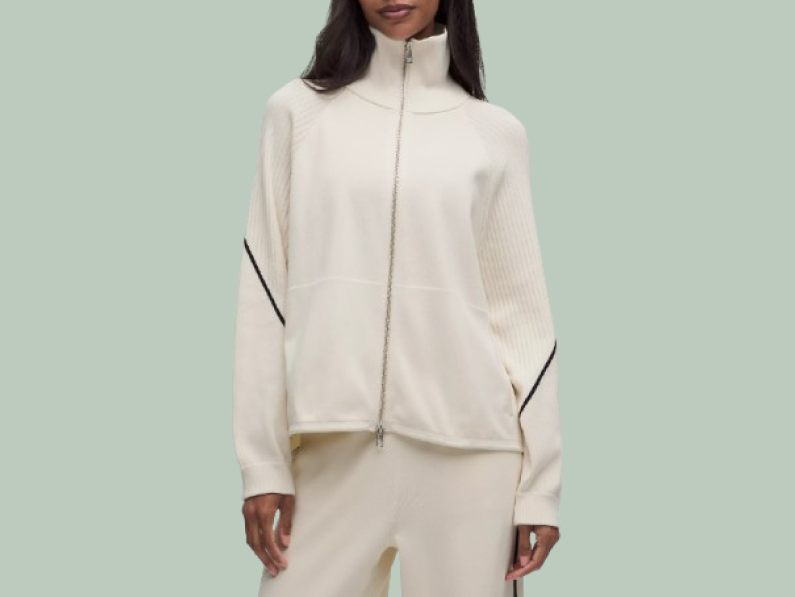
It was a small rebellion, though it didn't look like one. I went upstairs, stepped out of the trousers, and pulled on a matching ribbed knit top and wide-leg pants I had bought on sale three autumns ago. Nothing changed on my to-do list. The invoices still needed sending. The rain still tapped a steady, indifferent rhythm against the glass. Yet my shoulders dropped an inch and a half. My breathing slowed. For the first time all afternoon, my clothes stopped negotiating with my body and started working alongside it.
We talk about loungewear as if it is a punchline or a luxury—a little treat for lazy Sundays, a hangover uniform, a compromise between getting dressed and giving up. Most seasonal roundups treat loungewear sets for women like a catalog of disposable comfort: eight links, three adjectives each ("cozy," "versatile," "elevated"), and a promise that you can wear them to run errands without looking sloppy.
That misses the real story.
When autumn arrives and the daylight shortens, the boundary between public armor and private shelter blurs. Many of us work from kitchen tables, move between school drop-offs and late-night emails, care for aging parents or restless kids, and try to carve out thirty quiet minutes before sleep. What we put on our skin during those hours is not a trivial styling choice. It shapes how we inhabit our bodies, how we transition out of high alert, and whether we spend our evenings feeling rested or subtly constricted.
The Quiet Tyranny of "Put-Together"
History has never been particularly gentle to women's comfort. For centuries, respectable dress meant restriction—stays, stiff collars, narrow hems that dictated the length of a stride, fabrics chosen to project status rather than ease. Even when twentieth-century tailoring loosened, the unspoken rule remained: looking capable required some degree of structural tension.
I still catch myself falling into that old script. If a video call pops up unexpectedly or I need to step into the post office, a voice in my head whispers that soft fabrics signal carelessness. To be clear, that voice is a metaphor for years of cultural conditioning rather than a literal person sitting on my shoulder—though some mornings it feels loud enough to charge rent.
Consider what happens when you wear rigid waistbands, scratchy synthetics, or tight cuffs from 7:00 a.m. until 9:00 p.m. Your nervous system reads mild physical constriction as low-grade demand. It isn't dramatic pain. It's the constant, low-hum awareness of a seam pulling at the shoulder or a waistband rolling inward when you sit cross-legged on the rug. Over months and years, those tiny friction points add up.
And then there is the opposite trap: the worn-out college tee paired with stretched-out sweatpants that have lost all shape at the knees. We have all been there. You put on something so frayed that you feel slightly embarrassed when the delivery driver rings the bell, or you catch your reflection in the hallway mirror and feel a flicker of defeat instead of ease. That isn't rest. That is just another kind of armor—the armor of "I don't care anymore."
There has to be middle ground between a straightjacket and a rag.
A Hypothetical October Evening
To see why the right set matters more than a dozen trendy pieces, picture a hypothetical character—let's call her Maya. Maya is thirty-eight, works a hybrid job in operations, and splits her evenings between helping her ten-year-old with math fractions and answering messages from a time zone three hours ahead.
By 6:30 p.m. in late October, Maya is running on fumes. Her office sweater itches slightly around the collar, and her jeans feel two sizes too stiff after a long day at a desk. If she stays in them, she stays in "work mode" by default. If she changes into an old oversized shirt and threadbare leggings, she feels frumpy the moment her partner asks if she wants to walk down the block for a loaf of bread or a cup of tea.
Now imagine Maya owns two or three thoughtfully chosen matching lounge sets built for autumn's shifting temperatures. A breathable cotton-modal pullover and matching pant for early fall when the afternoon sun still warms the porch. A mid-weight ribbed knit lounge set for chilly mornings when the furnace hasn't quite caught up. A soft brushed fleece or merino-blend duo for deep November nights when the wind rattles the maples.
Maya steps out of her work clothes at 6:35 p.m. She doesn't feel like she's slacking off, and she doesn't feel exposed when she steps outside to grab firewood or greet a neighbor. Her posture softens. The mental gear-shift from "performing" to "being" happens in ninety seconds flat.
That is the invisible stake of fall loungewear. It isn't about looking effortless for an imaginary camera. It is about giving your body permission to exhale while keeping your self-respect intact.
Fabric Is Physics, Not Magic
Shopping for cozy loungewear sets gets confusing fast because labels use poetic words for very different materials. One tag says "cloud-soft," another says "luxe jersey," and two weeks later one pills into little grey balls while the other stretches out like taffy. I have wasted plenty of money learning that softness at first touch is a poor predictor of how a garment behaves after six washes.
Think of fabric like the suspension on a car. A good suspension doesn't erase the bumps in the road; it absorbs the shock so the cabin stays calm. Good knitwear does something similar with temperature, moisture, and movement.
Natural and Semi-Synthetic Workhorses
Cotton remains a classic for a reason: it breathes, feels familiar against sensitive skin, and handles everyday wear without fuss. A heavier waffle weave or French terry traps pockets of warm air without sealing in sweat, making it ideal for brisk autumn days indoors. Pure lightweight cotton, however, can wrinkle easily and lose crispness if it lacks structure.
Modal and viscose blends—often spun from beech or eucalyptus pulp—bring a fluid drape and cool-to-warm balance that pure cotton sometimes lacks. When blended with a touch of cotton or elastane, a modal lounge set skims the body smoothly instead of clinging or bagging. The catch? Cheap viscose can shrink or twist if tossed into a scorching dryer and left there like a forgotten sponge.
Wool and cashmere sit at the top of the warmth-to-weight chart. Fine merino or cashmere regulates body temperature remarkably well, keeping you warm on a drafty morning without overheating once you start moving around the kitchen. Yet delicacy is part of the bargain: thinner knits can snag on a ring, a cat's claw, or a rough zipper pull if you treat them carelessly.
What to Watch Out For
Pure polyester fleece and cheap acrylic knits are everywhere in fall collections because they are inexpensive and plush right off the rack. Sometimes a budget fleece set does the job for a casual weekend. Still, synthetic fibers tend to trap heat and odor faster than natural blends, and low-grade acrylic often pills under friction—especially along the inner thighs and under the arms where fabric rubs against itself all day.
Nobody gets a degree in textile engineering just to buy comfortable matching sets for autumn. It's completely fair if the labels feel murky. A simple rule of thumb helps cut through the noise: look at fiber content and weight before you look at the trend color, and pay attention to how the waistband and cuffs are finished. A wide, flat waistband with stitched elastic stays put without digging in; a narrow, twisted band inside a casing usually rolls and pinches by noon.
Eight Archetypes for Fall and Beyond
Rather than treating women's loungewear sets as a rigid checklist of eight exact products that go out of stock by Friday, it helps to think in eight functional archetypes—the silhouettes and fabric weights that actually earn repeat wear from September through spring.
| Archetype | Ideal Fabric & Weight | Best Autumn Moment | Watch-Out |
|---|---|---|---|
| The Ribbed Knit Co-Ord | Mid-weight viscose, cotton, or modal rib | WFH mornings, coffee runs, casual lunches | Thin ribs can show every lump or bump; size for drape |
| The Waffle-Weave Set | Heavy cotton or cotton-poly waffle | Crisp October afternoons, reading on the couch | Can stretch slightly over the day; air-dry or low heat |
| The French Terry Pullover & Pant | Looped cotton or cotton-blend terry | Errands, travel days, post-workout recovery | Drafty if the wind picks up outside |
| The Elevated Cardigan Set | Fine knit cardigan + matching tank or tee & pant | Layering when indoor temps swing wildly | Buttons or delicate knit can snag easily |
| The Brushed Fleece Duo | Soft brushed cotton blend or micro-fleece | Cold November evenings, early winter mornings | Can run warm indoors if the heat is cranked |
| The Wide-Leg Trousers Set | Drapey modal, ponte, or soft jersey | Looking put-together at home without denim | Long hems can drag on stairs or wet pavement |
| The Cropped Top + Jogger Set | Mid-weight jersey or cotton blend | Active weekends, packing light, quick errands | Cropped hems may ride up when reaching overhead |
| The Knit Lounge Dress or Tunic Set | Soft jersey or fine knit midi with matching layer | Days you want one-and-done ease with zero waist pressure | Needs right length for sitting and walking comfortably |
Each of these eight archetypes solves a slightly different problem. A ribbed lounge set bridges the gap between pajamas and real clothes better than almost anything else—especially in a deep charcoal, espresso, or oatmeal tone that reads intentional even when paired with clean sneakers. A waffle knit lounge set brings texture and quiet warmth when the air turns crisp, while a French terry set shines on travel days or busy Saturdays when you're in and out of the car.
Cardigan twin-sets deserve special credit in autumn. When the morning is forty-two degrees and the afternoon climbs to sixty-four, peeling off a matching cardigan beats taking off an entire outfit—and keeps your silhouette cohesive underneath. Meanwhile, a wide-leg loungewear set in a structured jersey or ponte gives you movement and polish at once, letting you answer the door or hop on a video call without feeling like you rolled straight out of bed.
How to Tell a Keeper From a One-Season Wonder
A set you wear twice and shove to the back of the drawer isn't a bargain at twenty dollars. A set you reach for every other day from October to March—and pull out again next fall—earns its keep quietly.
Notice the seams before you buy. Pull gently across a seam line: the stitches should give slightly with the fabric rather than popping or puckering. Check the neckline and cuffs. If the rib trim around the collar feels limp and paper-thin in your hands, it will likely bacon and wave after a few washes.
Proportion matters just as much as fabric. Many fall loungewear sets lean heavily into ultra-baggy tops paired with ultra-baggy bottoms. That can feel wonderful for lounging, yet sometimes swallowing yourself in excess fabric from neck to ankle makes you feel heavy rather than light. Balancing proportions—a slightly relaxed top with a straight or gently tapered leg, or a structured cardigan over a neat tank—keeps the outfit feeling alive.
And give your laundry routine a little grace. Most of us don't want high-maintenance clothes that demand dry cleaning every time we spill soup on the sleeve. Turning knits inside out, washing in cold or cool water on a gentle cycle, and laying heavy knits flat to dry extends the life of cozy sets for women dramatically. Even better, airing a sweater or lounge set over a chair overnight instead of washing it after two hours of wear keeps fibers fresher and saves time.
Why Ease Isn't Laziness
There is a quiet guilt some of us carry when we invest in comfort. As if wanting soft fabric against our skin means we're avoiding hard work, or softening our edges in a world that rewards grit.
Hard work doesn't require discomfort. Grit lives in how you show up when things get messy, how you keep going when a plan falls apart, how you care for the people counting on you. Wearing a waistband that doesn't bite into your stomach doesn't make you soft in the character sense. It just stops wasting energy on nothing.
Autumn has a way of stripping away excess. The leaves let go without apologizing; the days grow shorter and more honest. Maybe our closets can follow a little of that wisdom—fewer stiff compromises, fewer forgotten castoffs, more pieces that honor the body actually living the life.
Tonight, when the house settles and the evening light fades to slate, notice how your clothes feel against your skin—and ask yourself whether they're holding you back, or finally letting you breathe.