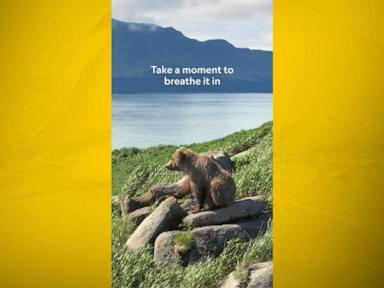
When National Geographic points its cameras toward Alaska's Katmai National Park, millions of people instantly tune in. There is something mesmerizing about watching massive brown bears thrive in a pristine wilderness, especially when captured through cinematic storytelling like Nat Geo's Moment on the Earth. But most viewers only see the surface level of these powerful animals, missing the complex ecological mechanics that make Katmai one of the most unique wildlife habitats on the planet.
Let's look past the viral appeal of Fat Bear Week and the stunning visual frames. Katmai's coastal brown bears represent a masterclass in survival, resource management, and ecological resilience.
The Reality Behind the Katmai Bear Phenomenon
People often assume brown bears live in constant aggression, fighting over territory and prey. Reality tells a very different story. In remote corners like Hallo Bay and along the rushing waters of Brooks River, bears spend the vast majority of their days resting, foraging casually, and raising their cubs with surprising tenderness.
Centuries of isolation from human interference have shaped their behavior. Because these bears have never learned to associate humans with food or harm, they exhibit an almost radical peace in their natural environment. When expert wilderness guides lead small groups through the park, the focus is entirely on fitting into the rhythm of the wildlife rather than forcing an interaction.
How Salmon Drive the Entire Ecosystem
You can't talk about Katmai without talking about the salmon. Five distinct species of salmon migrate through the park's rivers, creating a seasonal buffet that allows brown bears to pack on hundreds of pounds of fat before winter.
This high-calorie diet is the single most important factor in their survival. Without the massive influx of marine nutrients brought upstream by migrating fish, the dense populations seen at spots like Brooks Falls simply could not exist. It's a fragile, intricate chain connecting the open ocean directly to the interior wilderness.
Beyond the Screen: Experiencing the Wilderness Responsibly
Watching a documentary offers a breathtaking window into the wild, but visiting in person requires a massive shift in mindset. If you ever plan a trip to watch Alaska's brown bears, forget everything you know about standard tourism. You aren't visiting a zoo or a managed wildlife park. You are stepping into an untamed habitat where humans are strictly observers.
Following established safety protocols isn't optional. Staying alert, respecting personal space, and moving with a calm, predictable presence keeps both humans and bears safe. The magic of Katmai survives precisely because park management and dedicated researchers prioritize the well-being of the animals over tourist convenience.
Next time you see a grizzly snatching a sockeye mid-air on your screen, remember the immense pressures of the tides, the changing seasons, and the profound resilience of a landscape reborn from volcanic ash. That raw, unfiltered survival story is what truly captures a moment on the earth.



