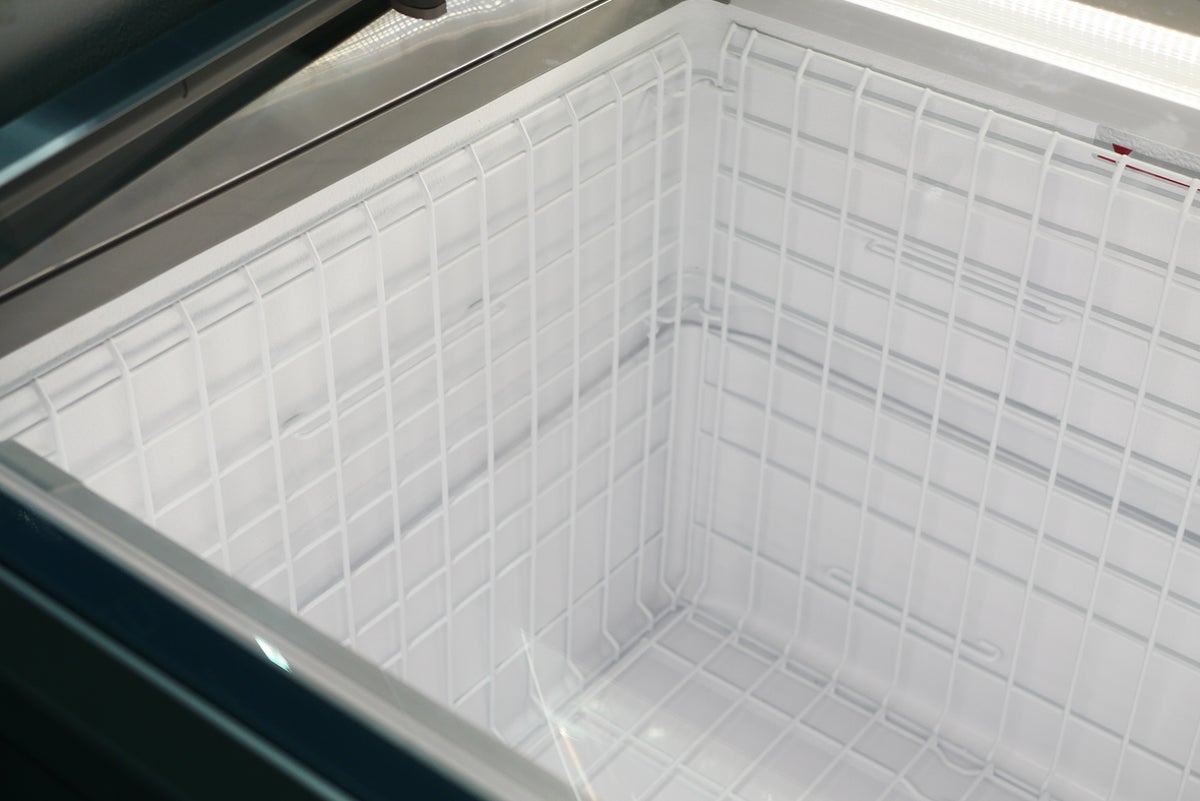
Cleaning out a relative’s home after they pass away is usually a quiet, emotional process. You expect to find old photo albums, outdated furniture, and forgotten tax forms. You don’t expect to open a chest freezer and find human remains.
That’s exactly what happened in Tok, Alaska, when family members were going through the home of a deceased resident. While sifting through years of belongings, they opened a deep freezer on the property. Inside lay human remains, frozen and preserved. They immediately called Alaska State Troopers.
Investigations into scene discoveries like this move fast at first, then slow down dramatically. Troopers immediately secured the home to preserve evidence. They called in the State Medical Examiner’s Office to take custody of the body. In cases like this, getting a positive identification and determining the cause of death aren't instant processes.
The Reality of Crime Scene Recovery in Rural Alaska
When people picture crime scenes, they think of fast city responses and quick forensic turnarounds. Rural Alaska operates under completely different rules. Distance changes everything.
Tok sits along the Alaska Highway near the Canadian border. It's remote. Transporting evidence or human remains to the state forensic lab in Anchorage takes coordination and time. Extreme cold can preserve biological evidence exceptionally well, but it also creates major hurdles for investigators.
Forensic teams face unique physical challenges with frozen remains:
- Defrosting must happen slowly and naturally to avoid damaging cellular tissue.
- Standard DNA extraction can be delayed until tissues reach room temperature safely.
- Fingerprinting becomes impossible until the skin thaws completely without tearing.
The State Medical Examiner’s Office handles all suspicious deaths across the entire state. When remains are discovered in a freezer, toxicological tests and full autopsies can take weeks, sometimes months. Investigators must carefully establish whether the person died of natural causes, an accident, or foul play before any crime is declared.
Why Cold Cases and Unexpected Discoveries Sift Through Small Towns
Small towns hold deep secrets simply because neighbors respect each other's privacy. A chest freezer in a garage or shed can sit undisturbed for years or even decades. Nobody asks questions about a running appliance on private property.
When an elderly or isolated homeowner passes away, relatives who live far away suddenly find themselves clearing out decades of accumulation. That’s often when long-buried secrets surface.
Police departments across the country encounter similar freezer discoveries every few years. Sometimes it involves an unreported natural death where a family member panicked over social security checks. Other times, it's a homicide hidden away by someone who believed they had bought themselves infinite time.
Until the medical examiner completes the forensic review, law enforcement maintains a strict chain of custody. Troopers look for missing persons reports in the immediate region, check dental records, and cross-reference state DNA databases.
Steps to Take If You Encounter Something Suspicious During a Cleanout
If you're helping clean out an estate and come across something that looks like evidence of a crime or human remains, stop moving immediately. Curiosity gets people in trouble and ruins critical evidence.
- Step away and secure the area. Don't touch anything, don't move items around, and close the doors to the room or outbuilding.
- Call local emergency services or state police right away. Explain exactly what you saw without guessing or exaggerating.
- Keep everyone else out. Make sure family members or hired helpers stay clear of the property until officers arrive.
- Write down initial observations. Note the time, who was present, and what specific area you were working in before touching anything else.
Let the medical examiners and troopers do their jobs. Modern forensics will eventually yield answers, but patience is required while the investigation plays out.