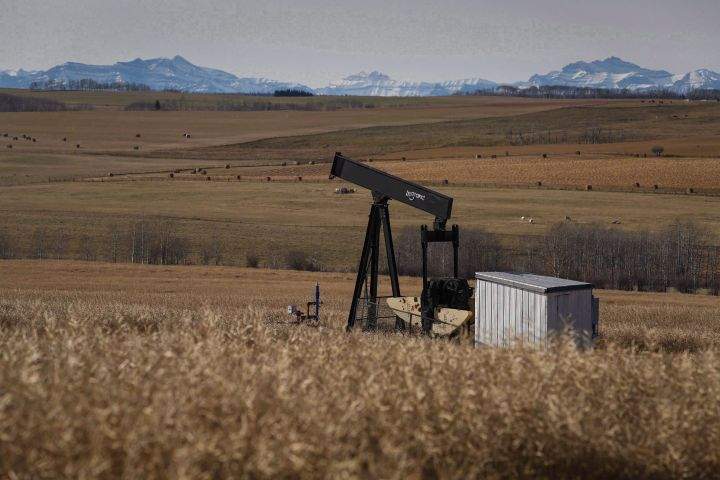
When you buy land to farm or raise a family, you don't expect a rusty, leaking legacy of the province's boom-and-bust energy cycle to come with the deed. Right now, rural Albertans are drawing a hard line in the sand. A group of landowners, backed by organizations like the Alberta Surface Rights Federation and Ecojustice, has taken the Alberta Energy Regulator (AER) to the Court of King's Bench. Their grievance is straightforward: they claim the regulator is chronically underfunding the cleanup of orphan wells.
If you look at how the system operates on paper, it sounds fine. When an oil and gas operator goes bust and leaves behind inactive infrastructure without a solvent owner, the site gets designated as an orphan. It goes to the Orphan Well Association (OWA) to be plugged, decommissioned, and reclaimed. The cash to do this is supposed to come from an annual industry levy.
The math, however, tells a terrifying story.
The Mounting Backlog And Staggering Costs
The Orphan Well Levy for the 2026-27 fiscal year sits at $154.56 million. That sounds like a lot of money until you stack it against the actual inventory. The OWA currently tracks thousands of sites. We are looking at roughly 7,370 wells needing proper decommissioning and another 9,151 awaiting land reclamation.
The total estimated cost to clear this backlog sits at a staggering $1.66 billion. At the current funding pace, clearing out these sites will take decades.
Farmers and rural property owners are stuck living with the consequences while bureaucrats crunch numbers. Dwight Popowich, a landowner from Two Hills, Alberta, spent eight years just trying to get an inactive well on his property designated as an orphan. When it finally happened, the OWA told him it would take another ten to twelve years just to reclaim the land. That is a decade of navigating around heavy metal eyesores, dealing with restricted land use, and worrying about environmental seepage.
What the Legal Challenge Is Actually Targeting
This lawsuit isn't just about complaining that things take too long. The legal application dives straight into how the regulator calculates the levy.
Under the Oil and Gas Conservation Act, the AER is legally mandated to set a levy that is fully sufficient to cover the actual costs associated with orphan wells for the current fiscal year. But the lawsuit alleges the regulator is doing something entirely different.
The claimants argue that the AER is letting political executives interfere and allowing oil industry health and commodity prices to dictate the pricing. Instead of running a purely needs-based calculation to clear the liabilities, the system is apparently being massaged to protect oil companies from paying their fair share.
Ecojustice lawyers representing the landowners point out an absurd reality. The number of orphaned sites waiting in line is nearly double what the OWA has managed to clean up in its entire history of existence. Pumping up the annual levy by a few million dollars here and there is like trying to put out a forest fire with a garden hose.
Real Risks on Family Lands
An abandoned well is not just a aesthetic nuisance. These sites carry genuine environmental hazards. Unmaintained infrastructure can leak contaminants into shallow groundwater aquifers, escape methane into the local air supply, and degrade surrounding soil health.
Teresa Patry, another applicant from near Vermilion, has spoken openly about the toll this takes. Families dealing with these sites on their private land face unexplained health worries, stress over livestock safety, and plummeting property values. Municipalities also lose out on millions in unpaid municipal taxes left behind by bankrupt operators.
When energy companies profit during high-commodity cycles, those revenues enrich private shareholders. But when those same companies go belly-up, the mess gets kicked down the curb to the people living right beside the infrastructure.
The AER has declined to comment on the active court case, pointing instead to the incremental seven percent increase in this year's levy. But incremental adjustments don't cut it when thousands of new wells get dumped into the system overnight due to corporate insolvencies.
If the court rules in favor of the landowners, it could force a massive recalibration of how environmental liabilities are handled across Western Canada. It would mean shifting the financial burden firmly back onto the resource extractors who promised to clean up after themselves in the first place. Until then, rural families will keep paying the price for a broken regulatory promise.