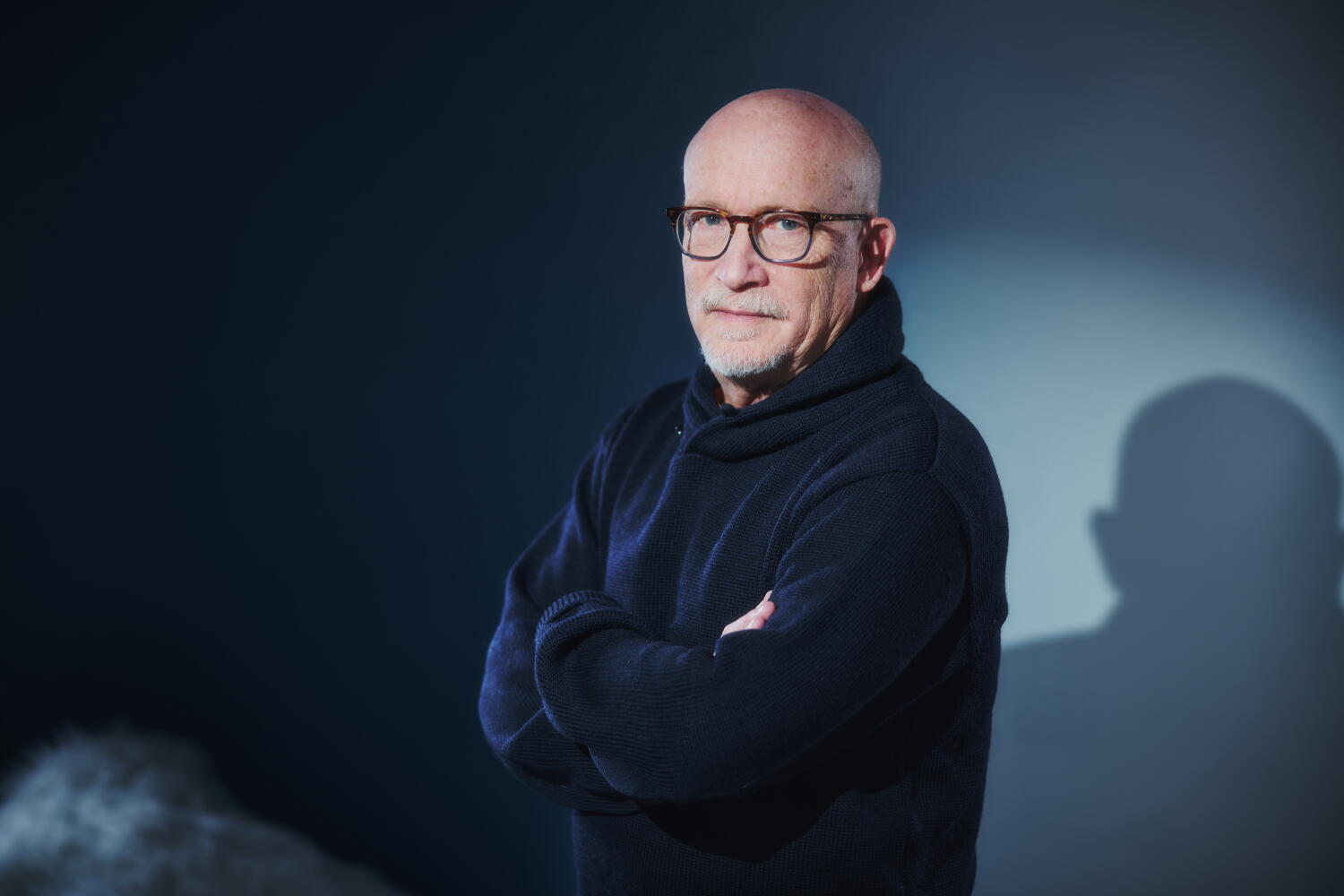
When veteran documentarian Alex Gibney started tracking Elon Musk, he wasn't looking to launch a political crusade. Back when production kicked off, Gibney admits he was somewhat a fan of the billionaire’s industrial ambitions. Four years later, after dissecting thousands of hours of footage, corporate documents, and public records for the nearly four-hour film simply titled Musk, that perspective changed entirely.
Gibney didn't just want to document a tech tycoon. He wanted to understand how modern wealth translates directly into unchecked political gravity. And now that the project is out in the world, the director makes no secret of where he stands.
The Evolution of a Four-Year Investigation
Most biographies of tech founders follow a predictable script. They start with a lonely childhood, highlight a moment of early brilliance, gloss over the ethical shortcuts, and end with a billionaire standing triumphantly on a stage. Gibney’s project threw that playbook out the window.
Because Musk declined to sit down for a traditional interview, Gibney and his production team had to get creative. They relied heavily on archival audio, internal communications, and accounts from people who orbited the inner circle—including ex-wife Justine Musk, engineers like Martin Eberhard, and journalists who spent decades watching the empire grow.
The runtime ballooned to nearly 225 minutes because the subject refused to stay still. Every time the editing bay finalized a sequence, Musk launched a new company, altered the trajectory of a social media platform, or dove headfirst into geopolitical elections. The moving target required an ongoing rewrite of what power looks like in the twenty-first century.
Confronting the Simulation
One of the most talked-about choices in the documentary involves a CGI avatar designed by the studio MakeMake. Sitting in a gaming chair, the digital construct recites actual quotes and public audio clips pulled straight from Musk's own podcast appearances and public rants.
Critics have debated whether using uncanny-valley AI tech crosses a line. Yet Gibney defends the artistic choice by leaning into Musk's own public obsessions. Musk has frequently mused that humanity likely lives inside a computer simulation. Turning that philosophy back onto him creates a jarring mirror. It forces viewers to separate the sleek marketing myth from the messy, often contradictory reality on the ground.
The film traces a clear line from early PayPal days to the heavy state subsidies that fueled Tesla and SpaceX. It highlights a recurring theme that Gibney identifies across all his major investigative works—whether he's looking at corporate fraud at Enron or institutional rot in Scientology: the dangerous allure of noble cause corruption.
Why the Tech Elite Draws Scrutiny
When powerful individuals convince themselves they are the sole saviors of humanity, ordinary rules stop applying. Rules are viewed merely as bureaucratic speed bumps standing in the way of progress.
Gibney argues that this mindset allows billionaires to justify bending regulations, mistreating workers, and reshaping democratic institutions to suit their personal whims. When you control satellite networks that nations rely on for basic infrastructure and communication, you aren't just a business owner anymore. You operate as an unelected geopolitical actor.
The documentary doesn't offer easy answers or neat resolutions because real life doesn't provide them. Instead, it leaves you staring directly at a system that rewards unbridled ambition with zero institutional friction.
Spend four years studying how one man bends reality to fit his ego, and you start realizing the scariest part isn't what he has already built. It is figuring out what he plans to break next.