Most people picture international wildlife smuggling happening on remote dirt airstrips or hidden inside cargo containers at massive shipping ports. They rarely picture a quiet suburban couple in Southern California processing payments from a phone and meeting buyers in ordinary parking lots.
Yet that is exactly how federal investigators dismantled a cross-border trafficking pipeline connecting Oregon forests to overseas markets in Vietnam. You might also find this similar story useful: Why the 6.2 Vanuatu Earthquake Didn't Cause Major Destruction.
In October 2026, Linh Luu and Kevin Le of Anaheim, California, stood in a federal courtroom in Eugene, Oregon, and pleaded guilty to violating the Lacey Act. Their sentences—three years of probation and a $10,000 fine each—closed the books on a multi-year investigation. If you read the standard press release summaries, you get the basic police blotter facts. You don't get the real story of how domestic poaching feeds global demand, or why federal prosecutors rely on a 126-year-old law to stop it.
How the Oregon to Vietnam Smuggling Pipeline Actually Worked
Between September 2019 and May 2021, Luu and Le acted as financial middlemen and logistics brokers for a contact in Vietnam. They processed $51,100 in payments to move protected animal parts in both directions across the Pacific. As extensively documented in detailed reports by The Guardian, the effects are significant.
It wasn't a one-way street.
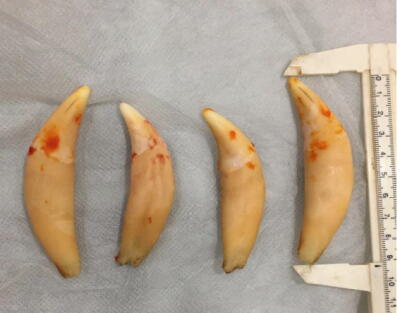
Out of Oregon, the network exported American black bear gallbladders and cougar bones destined for buyers in Vietnam. Coming back into Oregon, they imported lion teeth, a tiger pelt, and segments of both black and white rhinoceros horns.
Think about that trade loop for a second. Native Pacific Northwest predators were being stripped for parts to fund the importation of critically endangered African and Asian megafauna.
The Undercover Sting and Evasion Tactics
Traffickers rarely get caught because customs officers randomly open every single cardboard box. Millions of packages cross U.S. borders daily. Investigators catch them when money moves or when undercover agents infiltrate the trust network.
In December 2020, Luu and Le met an undercover federal agent in a parking lot. They took $12,000 in cash as a down payment for a piece of rhinoceros horn. During that meeting, they didn't just count bills—they actively coached the buyer on how to structure payments to dodge U.S. banking regulations designed to flag money laundering.
Following the cash handoff, each spouse received nearly $5,000 via electronic transfers. To get the rhino horn past border inspection into Oregon, the sellers disguised it as an ordinary household decoration. According to federal sentencing memos, the couple treated this transaction as a test run to build trust for much larger, more lucrative deals down the road.
Why American Black Bears Are Targeted for Global Markets
When people hear "endangered wildlife trafficking," they automatically think of elephants, rhinos, and tigers. American black bears aren't endangered. In fact, states like Oregon manage healthy, closely regulated black bear populations.
So why were federal agents from the U.S. Fish and Wildlife Service (USFWS), Homeland Security Investigations, and the Oregon State Police spending years tracking bear gallbladders?
Because global demand creates a vacuum.
As wild populations of Asiatic black bears (often called moon bears) plummeted due to habitat destruction and relentless poaching, international syndicates looked elsewhere. In traditional Asian medicine, bear bile and gallbladders are prized for treating everything from liver ailments to inflammation. To suppliers, a gallbladder from an Oregon black bear looks and functions identically to one harvested from an endangered Asian species.
Once a bear is killed and its gallbladder is removed, telling an American species apart from a protected foreign species requires forensic lab testing. Traffickers exploit that confusion. While Oregon allows licensed seasonal hunting under strict rules, selling bear viscera or organs is illegal across almost the entire North American range of the species. Turning a regulated game animal into an illicit export commodity destroys state conservation models and puts massive pressure on local wildlife.
The Legal Teeth Behind the Prosecution
Prosecutors didn't need a brand-new cybercrime statute to take down this operation. They used the Lacey Act, originally passed in 1900.
Honestly, it's one of the sharpest tools in federal environmental law. Most people think of it simply as a ban on importing exotic pets, but its reach is way broader. The Lacey Act makes it a federal crime to import, export, transport, sell, receive, acquire, or purchase wildlife taken or possessed in violation of any state, tribal, federal, or foreign law.
In the Anaheim case, the legal violations stacked up across multiple frameworks:
- CITES Violations: Every species involved—black bears, cougars, lions, tigers, and black and white rhinos—is listed under the Convention on International Trade in Endangered Species of Wild Fauna and Flora. The U.S., Vietnam, and 183 other governments enforce this treaty. Moving these parts across international borders without strict scientific or non-commercial permits is flatly illegal.
- Endangered Species Act (ESA): Lions, tigers, and both rhino species carry heavy federal protections under the ESA, making commercial trade a serious offense regardless of where the animal originally died.
- Financial Structuring: By splitting electronic payments and discussing how to stay under federal reporting thresholds, the defendants turned a wildlife crime into a financial enforcement target.
What Most Coverage Misses About Probation Sentences
When news broke that Luu and Le received three years of probation and $10,000 fines instead of federal prison time, online commenters immediately complained that the punishment was too light.
I get the frustration. Seeing a tiger pelt and rhino horn pieces traded for cash feels like it demands years behind bars.
Looking closer at federal environmental prosecutions reveals how the Justice Department's Environmental Crimes Section operates. When prosecutors take on mid-level financial brokers rather than the armed poachers on the ground, securing a rapid guilty plea accomplishes two major goals. First, it creates a permanent federal felony conviction that strips away export privileges and subjects the defendants to warrantless searches during probation. Second, cooperation agreements and seized digital records from mid-level brokers frequently map out the upstream suppliers in states like Oregon and the downstream buyers overseas.
In wildlife crime, locking up a suburban money mover for six months doesn't save a single rhino if the overseas syndicate just hires a new payment processor next week. Dismantling the financial plumbing does.
How Everyday Buyers and Travelers Accidentally Cross the Line
You don't have to be smuggling $12,000 rhino horns in parking lots to run afoul of federal wildlife laws. Every year, ordinary tourists, antique collectors, and online shoppers have items seized at U.S. ports of entry—and sometimes face criminal fines—because they didn't check CITES rules before buying.
If you travel internationally or buy vintage items online, keep these realities in mind:
- Traditional Remedies and Supplements: Herbal pills, balms, or tonics bought abroad frequently list ingredients like Fel Ursi (bear bile) or musk deer derivatives. Bringing them back in your luggage violates federal import bans.
- Vintage Taxidermy and Jewelry: Buying a necklace made with a big cat claw, an antique ivory carving, or an old reptile-skin handbag overseas requires specific CITES export and import permits before you board a plane. "I bought it at a flea market" isn't a legal defense at customs.
- Online Marketplaces: Listing native North American animal parts—like bear claws, raptor feathers, or cougar skulls—on social media or auction sites can trigger state and federal investigations even if the animal was legally hunted years ago.
How to Spot and Report Suspected Wildlife Trafficking
Law enforcement agencies rely heavily on tips from hunters, outdoor enthusiasts, and observant citizens to catch poaching rings before species are wiped out locally. If you come across someone offering protected animal organs, exotic pelts, or suspicious wildlife parts for sale online or in person, do not attempt to confront the seller or buy the item to "rescue" it.
Document the exact URL, username, photos, and any listed location details. If you are in California, report suspicious poaching or illegal wildlife sales directly through the CalTIP program by calling 1-888-334-2258 or texting TIP411 (847411). Anywhere else in the United States, submit the details directly to the U.S. Fish and Wildlife Service Office of Law Enforcement tip line at 1-844-FWS-TIPS (397-8477) or through their online portal at fws.gov.