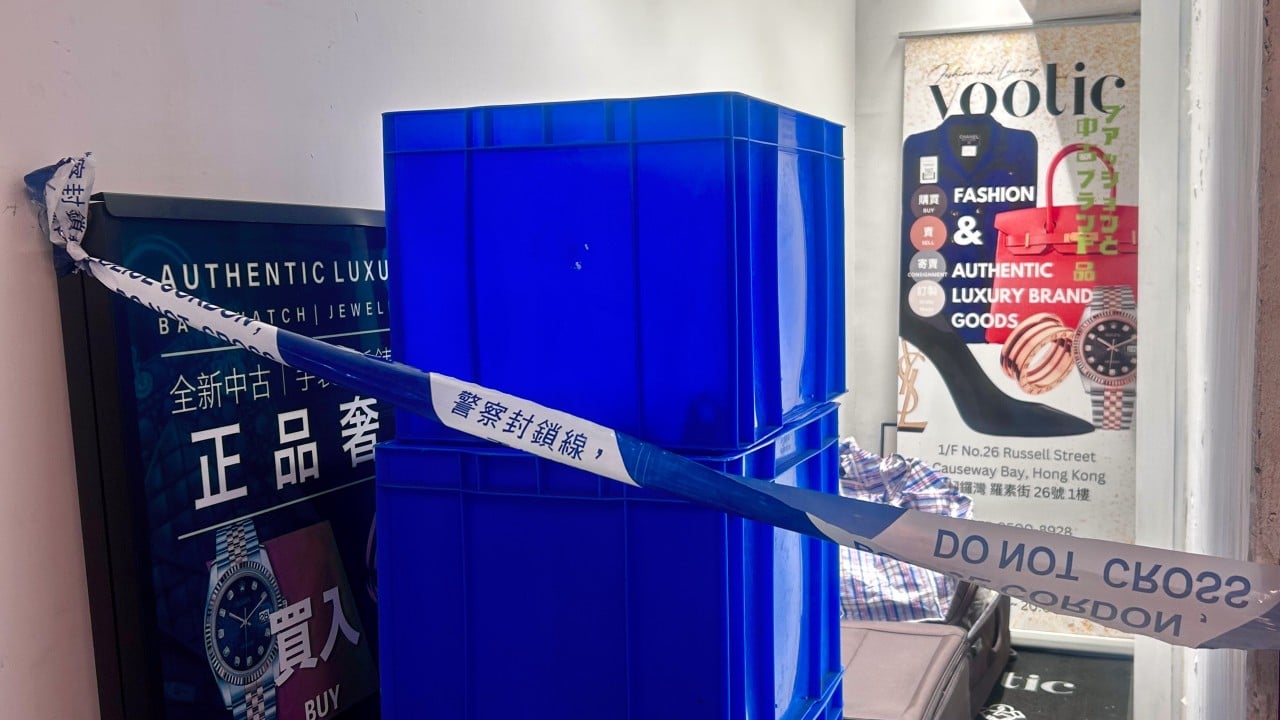
The reported HK$38 million loss across Hong Kong’s luxury consignment sector is not an isolated retail anomaly; it is the inevitable mathematical outcome of an unhedged inventory-advance model colliding with severe asset deflation. When secondary luxury boutiques collapse under multimillion-dollar liabilities, the failure stems from structural balance sheet mismatches rather than sudden shifts in consumer taste. Understanding this contagion requires dissecting the unit economics of luxury resale, the mechanics of trust-based liquidity, and the systemic vulnerabilities exposed when a localized market faces macroeconomic contraction.
The Structural Flaw in Consignment Unit Economics
Standard retail operates on a straightforward wholesale-to-retail spread, where the merchant owns the asset and absorbs the carrying cost until liquidation. Traditional consignment eliminates inventory risk by acting purely as an agency broker: the shop holds the asset, sells it, and remits a predetermined percentage to the consignor only after cash clears.
However, intense competition among Hong Kong’s secondhand luxury dealers forced operators to abandon pure agency models in favor of hybrid buyouts and guaranteed cash advances. To secure high-demand stock—such as Hermès Birkin bags, Rolex sports models, and limited-edition Chanel pieces—dealers began offering immediate partial payouts or guaranteed minimum returns before a buyer was secured.
This shift converted low-risk brokers into unhedged, highly leveraged asset speculators. When secondary market prices trended upward between 2020 and early 2022, rapid inventory turnover masked the underlying balance sheet fragility. Dealers used cash inflows from new consignments and deposits from prospective buyers to settle payouts owed to earlier consignors. Once secondary market valuations peaked and began contracting, the velocity of cash slowed, exposing a classic working capital deficit.
The Mechanics of Liability Accumulation
A HK$38 million shortfall does not materialize overnight. It accumulates through three distinct operational failures:
- Duration Mismatch: Operators took short-term liabilities (consignor payouts due within 14 to 30 days of sale, or immediate buyout loans) and backed them with illiquid physical assets whose time-to-sale stretched from weeks to six months or longer.
- Margin Compression Under Deflation: In a falling market, a bag accepted on consignment at a valuation of HK$150,000 might only clear at HK$125,000 four months later. If the dealer guaranteed a HK$130,000 return to win the listing, every completed transaction generated a net cash loss, accelerating insolvency.
- Commingled Operating Accounts: Smaller and mid-sized consignment operators frequently fail to segregate client escrow funds from operational overhead. High fixed costs—specifically prime commercial rent in districts like Tsim Sha Tsui, Causeway Bay, and Central, alongside specialized authentication staff—consumed cash reserves that legally belonged to consignors.
Anatomy of Contagion Across Competing Storefronts
When a prominent consignment operator shutters abruptly, the damage radiates outward to solvent competitors through a rapid deterioration of market liquidity. Unlike primary luxury boutiques, which rely on brand equity and tourist foot traffic, the secondary market runs entirely on bilateral trust. Both sides of the transaction—the supplier handing over a HK$200,000 handbag without immediate payment, and the buyer wiring funds for an authenticated pre-owned watch—must believe the intermediary will remain solvent through the settlement window.
The collapse of a major player triggers an immediate bank run on physical inventory across the entire sector.
The Supply-Side Freeze
Consignors react to news of unpaid claims by demanding the immediate return of their unsold goods from all other local shops, regardless of the competing stores' financial health. This sudden withdrawal of inventory starves healthy operators of the exact high-tier stock required to generate foot traffic and high-margin commissions. Without flagship inventory on the shelves, conversion rates drop across the board.
The Demand-Side Paralysis
Simultaneously, buyers freeze discretionary purchases. In Hong Kong’s pre-owned luxury sector, high-value transactions frequently involve pre-orders, sourcing deposits, or layaway arrangements. Following a high-profile default, buyers refuse to place deposits, demanding physical inspection and immediate delivery. Furthermore, consumer anxiety spikes regarding counterfeit infiltration. When distressed dealers face insolvency, the temptation to offload questionable stock or cut corners on third-party authentication increases, causing buyers to retreat to primary retail channels or established international auction houses.
The Working Capital Crunch
For surviving shops, the simultaneous demand for inventory returns and the drop in new sales creates an acute liquidity squeeze. Operators must suddenly absorb the administrative and logistical costs of returning hundreds of items while fixed expenses—rent, payroll, insurance, and merchant processing fees—remain static. If a surviving store relied on rolling revenue to fund its monthly lease, the sudden drop in transaction volume pushes it toward the same insolvency cliff.
Macroeconomic Pressures Amplifying the Crisis
The internal fragility of Hong Kong’s consignment operators was exposed by external macroeconomic shifts that altered the region's retail dynamics.
First, the post-pandemic recovery in outbound travel fundamentally changed spending patterns. High-net-worth local consumers and mainland Chinese tourists, who previously concentrated their luxury spending within Hong Kong due to travel restrictions, resumed purchasing directly in Europe and Japan. Currency arbitrage—specifically the weakness of the Japanese Yen against the pegged Hong Kong Dollar—diverted massive secondary luxury volume to Tokyo and Osaka, where identical pre-owned pieces traded at a 15% to 25% discount relative to Hong Kong retail prices.
Second, primary luxury houses aggressively raised retail prices while simultaneously tightening supply controls, yet secondary market premiums failed to keep pace. In a rational market, primary price hikes lift secondary valuations. However, broad economic headwinds in mainland China dampened speculative demand for luxury assets as alternative stores of value. Secondary prices for many core references stagnated or declined, eliminating the easy arbitrage margins that local resellers had relied upon for half a decade.
Third, the cost of capital rose sharply. Because the Hong Kong Dollar is pegged to the US Dollar, local interest rates tracked the Federal Reserve's aggressive tightening cycle. Consignment shops that utilized short-term credit lines or private financing to fund inventory buyouts saw their debt-servicing costs double or triple precisely as their gross margins evaporated.
Distinguishing Fact from Market Speculation
Evaluating the fallout requires separating verified financial realities from the rumors that inevitably accompany retail collapses.
Verified Structural Realities:
- The HK$38 million figure represents reported aggregate claims from affected consignors and customers, reflecting unpaid proceeds from sold items and unreturned physical inventory.
- Police involvement and customs inquiries in Hong Kong typically hinge on whether operators engaged in fraudulent misrepresentation—such as accepting goods or deposits while knowing the business was already technically insolvent—rather than mere commercial failure.
- Secondary market indices for mainstream luxury watches and leather goods have experienced sustained downward corrections from their 2022 highs, compressing reseller spreads globally.
Unverified Hypotheses and Market Noise:
- Systemic Fraud vs. Operational Incompetence: While affected consignors often allege deliberate theft, financial autopsies of failed consignment businesses more frequently reveal severe mismanagement, unhedged inventory speculation, and poor accounting rather than premeditated asset stripping. Until forensic audits conclude, assuming criminal intent across all shuttered storefronts is premature.
- Total Sector Collapse: Reports of widespread closures often conflate temporary store relocations, consolidations, and strategic pivots to online-only models with bankruptcy. While mid-tier brick-and-mortar shops face existential pressure, well-capitalized operators with strict escrow discipline are actively acquiring market share from distressed rivals.
Risk Mitigation Frameworks for Market Participants
The failure of unhedged consignment models demonstrates that informal trust is an insufficient safeguard in high-value secondary markets. Both consignors and surviving retail operators must implement structural controls to survive the ongoing market correction.
For Consignors Liquidating Assets
- Enforce Direct Buyout or Escrow-Backed Terms: Avoid standard open-ended consignment agreements with independent boutiques unless the operator provides verifiable proof of segregated client trust accounts. If an operator offers a guaranteed minimum payout, demand payment upfront via cleared bank transfer before surrendering physical possession of the asset.
- Audit Corporate Longevity and Footprint: Verify business registration records to confirm the entity has operated under the same corporate structure through at least one full economic cycle. Newly incorporated entities operating out of short-term commercial leases present the highest default risk.
- Restrict Consignment Duration: Limit consignment contracts to strict 30-to-45-day windows with automatic return clauses and explicit penalty triggers for late remittance. Never allow a dealer to roll over an expired contract without a physical inspection of the item to confirm it has not been sold off-book or pledged as collateral elsewhere.
For Surviving Consignment Operators
- Decouple Agency from Proprietary Trading: Separate pure consignment operations from direct inventory buyouts. Maintain strict ring-fenced escrow accounts for consignment proceeds so client funds are never used to cover payroll, rent, or marketing expenses.
- Adopt Dynamic Mark-to-Market Pricing: Abandon static valuation models. Tie all guaranteed buyout offers and consignment floor prices to real-time global auction and marketplace clearing data (such as Chrono24, Vestiaire Collective, and major auction house results), applying a minimum 25% haircut to account for currency fluctuations and holding periods.
- Transition from High-Street Retail to Appointment-Only Showrooms: Reduce fixed overhead by exiting ground-floor retail spaces in prime commercial districts. High-net-worth buyers and sellers in the secondary market prioritize security, privacy, and authentication rigor over walk-in window displays. Moving to upper-floor commercial suites cuts lease liabilities by 50% to 70%, insulating the balance sheet against seasonal volume drops.
The Strategic Play for Secondary Luxury Operators
The HK$38 million implosion marks the end of the speculative, credit-fueled era of Hong Kong luxury resale. Surviving operators must immediately transition from asset-heavy, trust-based storefronts to transparent, low-overhead brokerage platforms.
Execute a full balance sheet audit to eliminate all unhedged inventory guarantees, migrate client payouts to verifiable segregated accounts, and publish third-party authentication protocols alongside financial solvency guarantees. In a market paralyzed by counterparty risk, radical financial transparency is no longer a compliance burden—it is the sole competitive moat capable of capturing displaced supply from collapsing rivals.