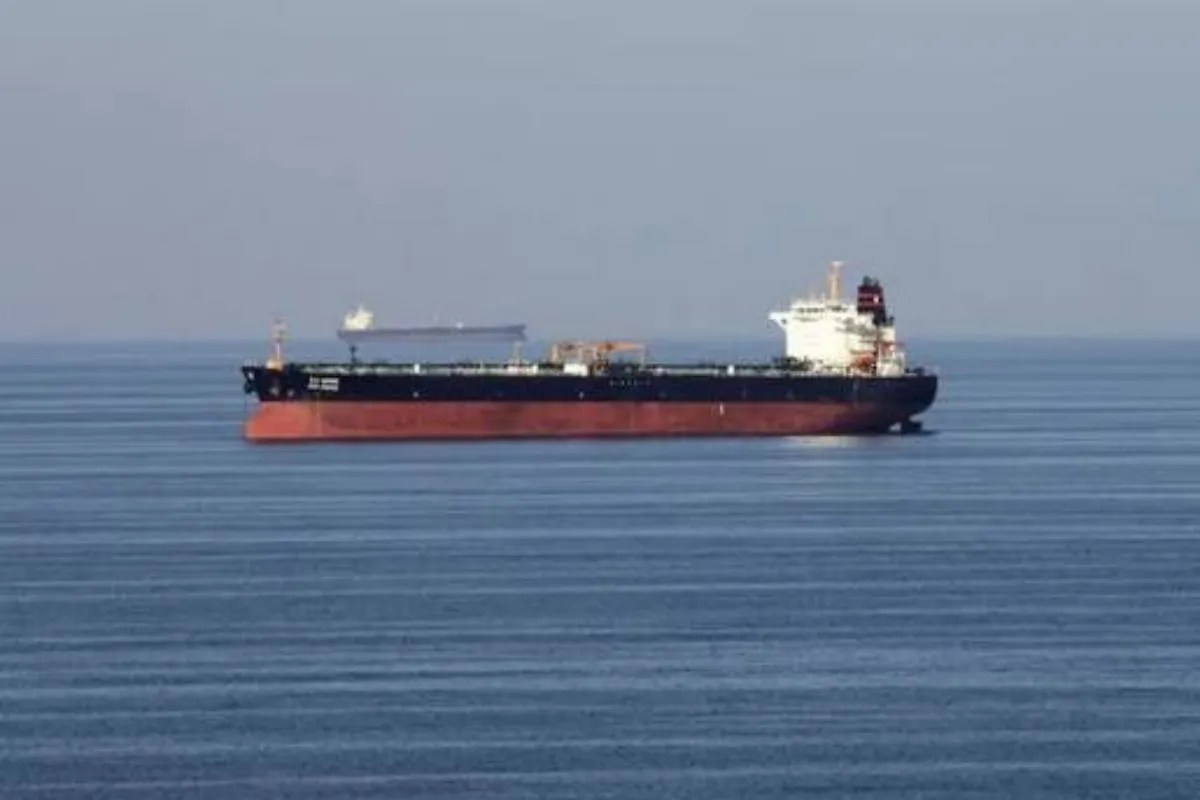
Geopolitical posturing in narrow maritime chokepoints rarely aligns with operational physics. When statements emerge from state actors regarding total command over strategic maritime passages, they typically function as signaling mechanisms rather than accurate reflections of sea-control metrics. The recent public friction between the United States Central Command and Iranian military authorities concerning operational dominance in the Strait of Hormuz illustrates a fundamental divergence between political rhetoric and littoral combat realities. Evaluating this friction requires stripping away diplomatic rhetoric and examining the core variables governing naval presence, choke-point vulnerability, and global energy transit.
The Structural Mechanics of Chokepoint Control
Controlling a 33-kilometer-wide maritime corridor like the Strait of Hormuz demands continuous, multi-domain dominance spanning surface, subsurface, and air dimensions. Territorial claims often rely on asymmetric capabilities—such as land-based anti-ship cruise missiles, fast attack craft, and naval mines—which can disrupt traffic but cannot establish undisputed command.
True sea control requires the ability to secure friendly shipping while denying passage to adversaries simultaneously. When a state asserts total authority over a transit lane while a major opposing naval power maintains active escort operations and sweeps maritime obstacles, the claim dissolves into an exercise in narrative control. The operational cost function for any actor attempting to close or regulate such a strait involves balancing the immediate disruption value against the long-term attrition of asymmetric assets under sustained air and naval counter-campaigns.
The Asymmetry of Disruption Versus Transit Costs
The economic weight of the Strait of Hormuz stems from its concentration of global petroleum and liquefied natural gas flows. Disrupting this flow creates immediate spikes in global energy pricing, imposing externalities on importing economies. However, this disruption mechanism introduces distinct economic vulnerabilities for the state executing the restriction:
- Export Dependency: Producers relying on the waterway face immediate revenue compression when traffic is restricted or subjected to naval blockades.
- Insurance and Risk Premiums: Commercial underwriters adjust hull and cargo rates dynamically based on verified kinetic incidents, driving up the operational friction for every transit.
- Escort Resource Allocation: Protecting commercial hulls requires institutionalized naval escorts and mine-countermeasure operations, shifting financial burdens onto consumer nations and naval coalitions.
The interplay between these variables creates a continuous loop of friction. Asymmetric strikes against commercial shipping are met with targeted suppressive strikes against radar sites, coastal batteries, and command infrastructure. Consequently, neither party achieves a clean monopoly of force; instead, the corridor operates under a contested equilibrium where transit continues at an elevated operational cost.
Strategic Friction and Operational Reality
Public pronouncements from military commands serve specific audiences. When regional forces claim administrative control—implying the authority to dictate transit terms, inspect hulls, or levy tolls—they attempt to convert geographic proximity into legal sovereignty over international waters. International law defines straits used for international navigation under transit passage regimes, rejecting unilateral domestic oversight.
The immediate tactical response from opposing superpowers is designed to invalidate these legal and operational assertions publicly. By documenting transit volumes, executing mine-clearing operations, and enforcing escort corridors, external naval powers maintain that the functional utility of the chokepoint remains preserved.
The persistence of maritime trade through the corridor, despite elevated threat matrices and localized kinetic exchanges, demonstrates that localized harassment cannot permanently substitute for systemic naval dominance.
Maintain focus on the capital expenditure required to sustain escort operations versus the diminishing returns of asymmetric interdiction. Long-term stability in contested corridors depends less on diplomatic declarations and more on the endurance of naval supply chains capable of absorbing attrition while keeping commercial lanes navigable.