The Incident Profile
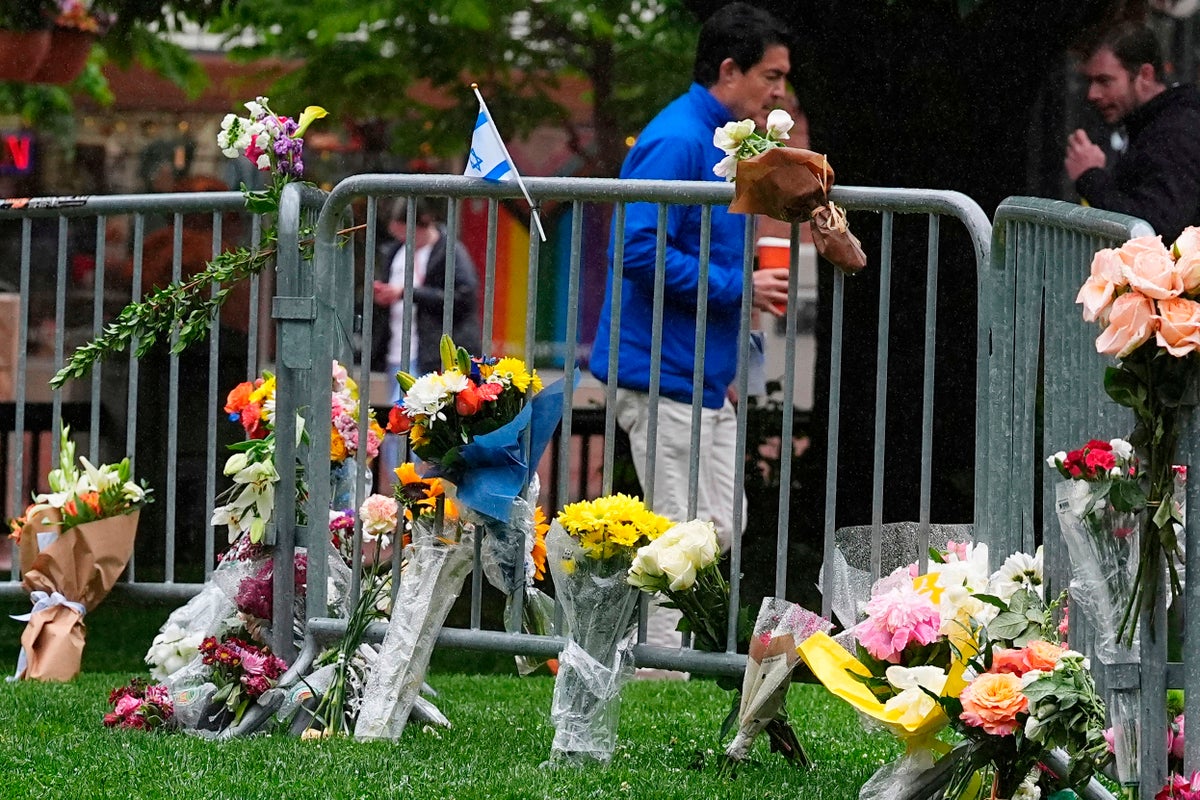
Political violence exhibits identifiable patterns that escalate from localized ideological polarization to targeted kinetic action. The February 2024 firebombing of a pro-Israel demonstration site in Colorado presents a case study in lone-actor asymmetric violence. This analysis deconstructs the event by examining the mechanics of radicalization, the legal and economic costs of ideological extremism, and the systemic vulnerabilities that permit such escalations.
The primary intent of this evaluation is to establish a framework for understanding how localized disputes transition into federal criminal acts, and how law enforcement and civil authorities quantify the parameters of these events.
Ideological Polarization ➔ Radicalization Vector ➔ Kinetic Escalation ➔ Federal Prosecution
The Three Pillars of Ideological Radicalization
Radicalization models do not occur in a vacuum. They rely on three structural pillars that lower the threshold for physical violence against targeted groups. By examining these pillars, analysts can identify the inflection points where protected speech shifts into targeted intimidation.
- Ideological Polarization: The process by which an actor internalizes an out-group as an existential threat, removing the psychological barriers to violence.
- Tactical Escalation: The transition from symbolic protest or digital radicalization to material preparation, such as the assembly of incendiary devices.
- The Proximity Vector: The selection of a soft target based on geographical convenience and predictable public gatherings.
Understanding these mechanics requires examining the underlying case parameters. The perpetrator, Dylon Christopher Trujillo, engaged in a targeted attack that caused structural damage and placed non-combatants at risk. This event demonstrates how an individual actor moves along the continuum of extremism without requiring a formal command structure.
The Cost Function of Kinetic Extremism
To understand the severity of ideological attacks, analysts must quantify the legal and economic consequences of the actions. The cost function of such operations includes federal prosecution costs, property destruction liabilities, and the long-term societal cost of civil rights intimidation.
The legal framework applied in this case involves the federal prosecution of arson and the use of a destructive device during a crime of violence. The sentencing guidelines for such acts are severe. A conviction under 18 U.S.C. § 844(i) and 18 U.S.C. § 924(c) carries mandatory minimum sentences that reflect the extreme danger of incendiary attacks in public spaces.
When evaluating the impact of the attack, the financial liability can be decomposed into three primary variables:
$$\text{Total Incident Cost} = C_{\text{legal}} + C_{\text{infrastructure}} + C_{\text{security}}$$
Where:
- $C_{\text{legal}}$ represents the direct cost of federal prosecution, public defense, and court administration.
- $C_{\text{infrastructure}}$ represents the quantified physical damage to public and private property.
- $C_{\text{security}}$ represents the expanded law enforcement deployment and security upgrades required to protect future assemblies.
The Mechanics of Federal Prosecution
The transition of the case from state jurisdiction to the United States District Court for the District of Colorado illustrates the jurisdictional thresholds for prosecuting political violence. Federal authorities assume jurisdiction when the violence targets assemblies protected under civil rights statutes or involves explosive devices affecting interstate commerce.
Federal prosecutors utilized specific statutory mechanisms to build the case against Trujillo:
- 18 U.S.C. § 844(i): Prohibits the malicious damage or destruction, by means of fire or an explosive, of any building or property used in interstate or foreign commerce.
- 18 U.S.C. § 924(c): Establishes penalties for using a firearm or destructive device during and in relation to a crime of violence.
The accumulation of these charges changes the plea-bargaining calculus. In Trujillo's case, the decision to enter a plea agreement under Federal Rule of Criminal Procedure 11(c)(1)(C) limits the discretion of the sentencing judge, establishing a fixed or capped sentencing range in exchange for a waiver of the right to appeal.
Systemic Vulnerabilities in Public Assemblies
The attack on the pro-Israel demonstration highlights specific tactical vulnerabilities common to open-air political gatherings. Soft targets lack the physical access controls and rapid-response capabilities seen at government or military installations.
Perimeter Assessment ➔ Surveillance Detection ➔ Response Time ➔ Incident Mitigation
The vulnerability profile can be deconstructed into several component parts:
- Predictability of Venue: The recurring nature of the protests allowed the perpetrator to conduct preliminary surveillance and determine the optimal moment for an incendiary attack.
- Absence of Stand-off Distance: Because the demonstrators operated in an accessible public space, they could not establish a perimeter to intercept improvised explosive devices before detonation.
- Dynamic Response Latency: The time required for local law enforcement to transition from traffic control to active threat mitigation created a critical vulnerability window.
Strategic Forecast and Resource Allocation
Mitigating the risk of future incidents requires a structural shift in how municipalities and organizers manage large-scale public demonstrations. The transition from reactive policing to proactive risk management requires significant resource allocation and inter-agency coordination.
The strategic response should focus on two primary operational pillars:
- Hardening Soft Targets: Introducing temporary physical barriers that prevent the deployment of combustible materials near assembly areas without degrading the expressive nature of the event.
- Information Sharing Networks: Improving the speed at which threat intelligence moves from federal fusion centers to local municipal police departments.
By applying this analytical framework, stakeholders can anticipate, measure, and mitigate the risks of localized political violence before it escalates into kinetic destruction.