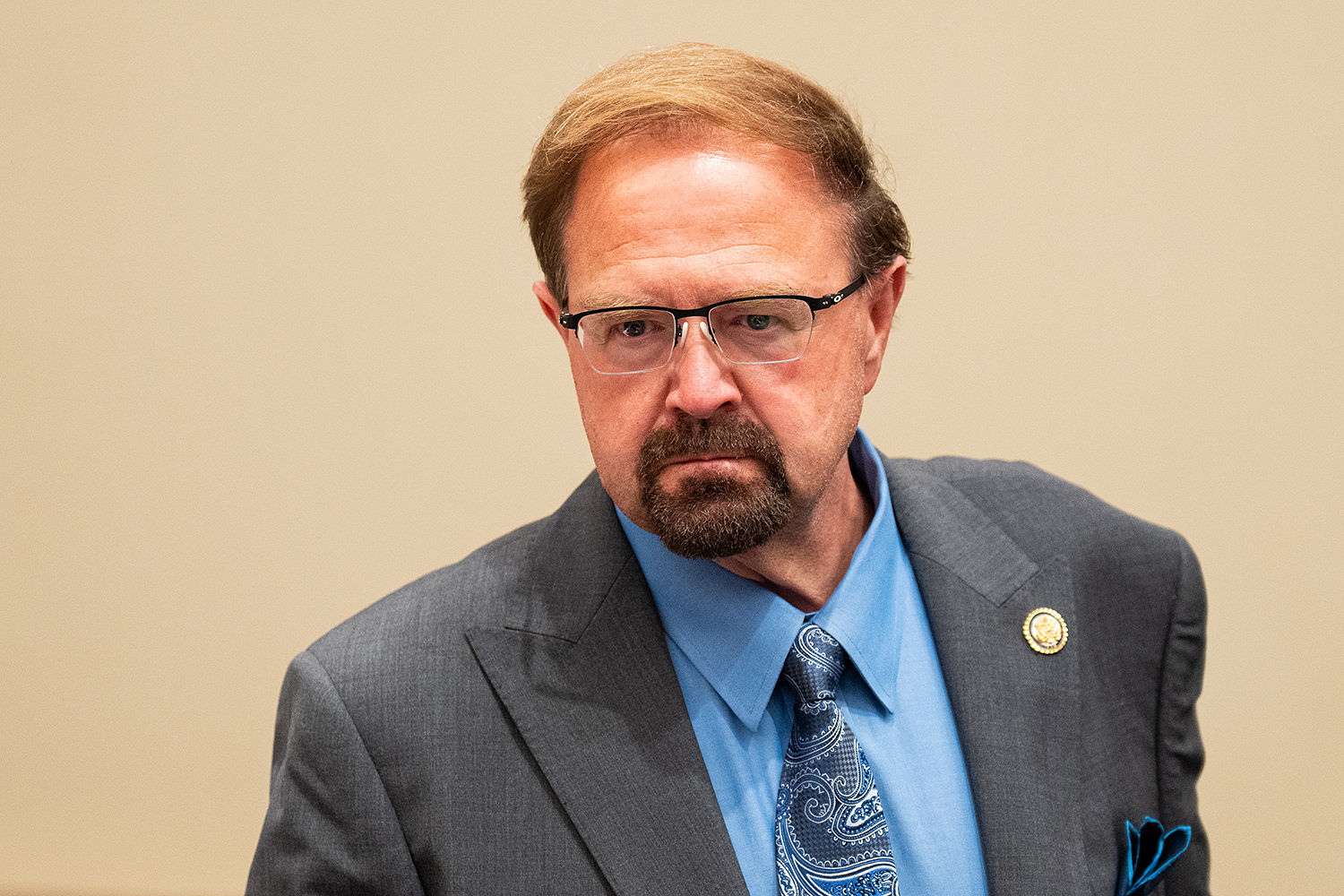
Power does not always enter a room with the crash of thunder. Sometimes, it slips in wearing tailored suits, bearing expensive gifts, and whispering justifications into the quiet corridors of a congressional office.
Consider the machinery of a modern political career. Months of hand-shaking, billions of promises, carefully curated billboards along winding mountain highways, and then, in the span of a single Tuesday morning, it all evaporates into the digital ether of a social media post. Representative Chuck Edwards thought he could weather the storm. He was wrong.
The House Ethics Committee released a 20-page document that read less like a dry legal brief and more like a psychological autopsy. It detailed a pattern of behavior that felt intimately claustrophobic for the two young female staffers targeted by it. There were lavish gifts—designer purses, expensive jewelry, firearms, and private dinners arranged in secrecy. There were midnight text messages carrying romantic undertones. There were awkward road trips to Annapolis where boundaries were blurred until they ceased to exist.
To the outside observer, these actions might look like eccentric mentorship gone wrong. But power distorts gravity. When your boss holds the keys to your professional future, a gift is not a gift. It is an obligation wrapped in ribbon.
The investigation did not uncover physical intimacy, a detail Edwards's defenders clung to like a shield. But the bipartisan committee recognized a deeper, more insidious violation. They saw a hostile work environment engineered by isolation. They saw an environment where aides were singled out, weighed down by unwanted attention, and left feeling lowkey scared in spaces meant to represent the public trust. When a senior employee tried to intervene, Edwards allegedly lashed out, angrily defending what he viewed as a unique bond.
Denial is a comfortable blanket. Edwards insisted he understood the rules of workplace conduct. His logic rested on a technicality: no explicit physical touch, no crude propositions, occasional verbal reminders that boundaries existed. He believed this baseline immunized him from consequence.
The committee shattered that illusion. They established that harassment is not just about crossing a physical line. It is about the slow erosion of agency. It is about creating a dynamic where subordinates cannot breathe without factoring in the moods, texts, and demands of the person signing their paycheck.
By Wednesday morning at 3:32 AM, the reality of the situation caught up with the math of politics. Facing a near-certain congressional censure vote after the upcoming recess, trailing poll numbers, and a heavily energized opponent in a historically red district that suddenly looked vulnerable, the choice was made for him.
"After much prayer and reflection, I've decided to withdraw from my re-election campaign," Edwards wrote.
The words are standard-issue political boilerplate. They attempt to wrap a humiliating exit in the dignified language of spiritual contemplation. Yet, the fallout extends far beyond one man's shattered ambitions in North Carolina's eleventh district. It highlights the invisible toll paid by staffers who enter public service hoping to change the world, only to find themselves managing the private eccentricities of the people holding the gavels.
The machinery moves on. A local executive committee will now quietly select a replacement nominee behind closed doors. Campaign dollars will shift. Ballots will be reprinted. But somewhere in an empty office, the quiet echo of a midnight text message remains a reminder of how easily power forgets the human cost of its own appetite.