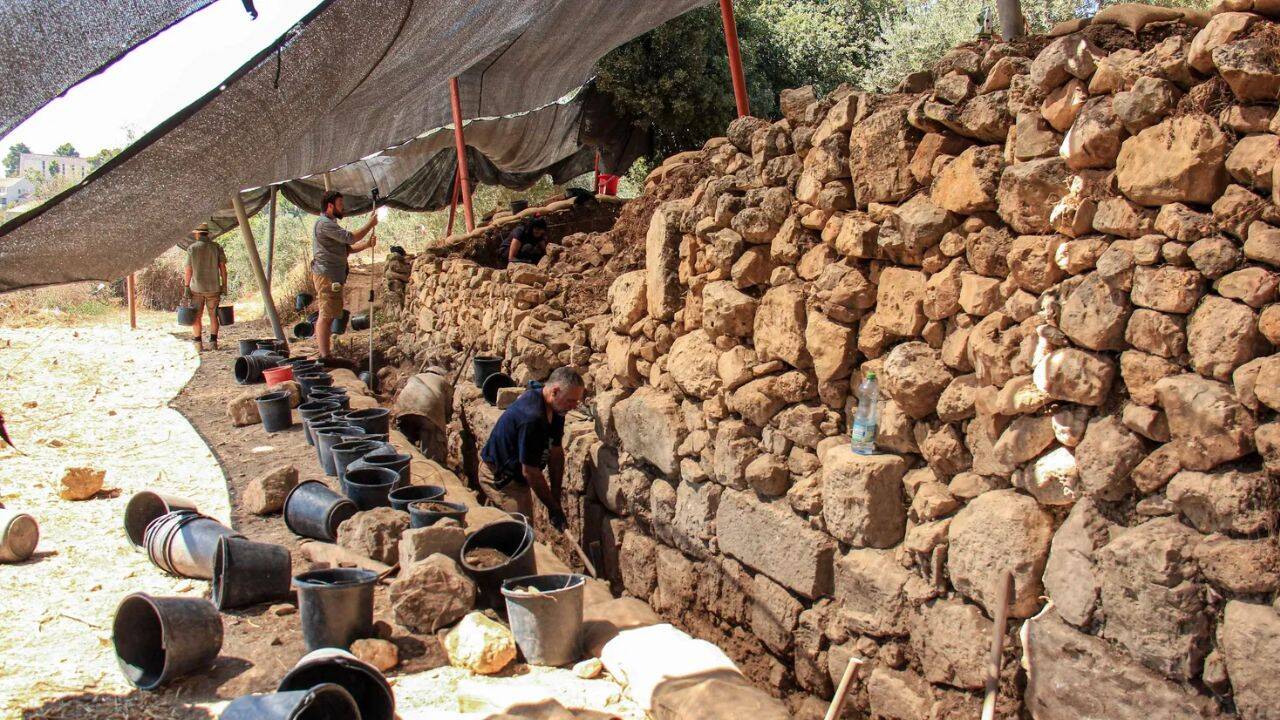
We think we know the ancient Near East from text books and old scriptures. We don't. For decades, archaeologists dug up pottery, measured stone walls, and argued over broken bricks to piece together who lived near Jerusalem 3,000 years ago. They missed the most important evidence because they couldn't see it. It was hidden inside the petrous bone of skulls buried in ruined tombs.
Geneticists can now extract highly preserved DNA from skeletons that spent millennia rotting in warm, humid climates. Warm climates usually destroy genetic material fast. But newer extraction techniques target the densest bones in the human body, unlocking pristine data from the Iron Age. A major genetic study of remains from a ruined tomb near Jerusalem just changed our understanding of ancient migration.
The results shock anyone who thinks ancient populations stayed in one place.
The Myth Of Isolated Ancient Peoples
Ancient Judeans didn't live in a bubble. For a long time, the dominant narrative suggested that people in the highlands of Jerusalem remained genetically isolated, distinct from their coastal neighbors like the Philistines or Phoenicians. This view fueled political and cultural arguments for centuries.
The data tells a completely different story.
When scientists mapped the genomes of individuals from this 3,000-year-old tomb, they found a striking mix of genetic markers. These people weren't just local highlanders. They carried significant genetic signatures from populations across the eastern Mediterranean and the Zagros mountains in modern-day Iran.
This isn't just about a few travelers wandering into town. We are looking at large-scale, generational movement. The genetic diversity within a single family tomb indicates that Jerusalem was a melting pot much earlier than traditional histories admit.
How Archaeogeneticists Pull Secrets From Dusty Bones
Genetics in archaeology used to be a sideshow. Now it runs the show. To understand how significant this is, you have to understand the tech.
[Bone Selection: Petrous Bone] -> [Powder Sampling] -> [DNA Extraction] -> [Next-Gen Sequencing]
Scientists look for the petrous bone, part of the inner ear. It is incredibly dense. This density protects the DNA from water, bacteria, and chemical degradation from the soil. Researchers drill a tiny hole, extract a few milligrams of bone powder, and sequence the DNA.
They use a method called next-generation sequencing. This allows them to read millions of DNA fragments simultaneously. They compare these ancient sequences against a global database of modern and ancient genomes.
The accuracy is terrifyingly precise. Scientists don't just see where these people came from; they see how they were related. In this specific Jerusalem tomb, the data showed multiple generations of a single family line buried alongside individuals who migrated from hundreds of miles away. They were fully integrated into the community, sharing the same burial customs and resting places.
What The Experts Got Wrong About Regional Migration
Mainstream archaeology long argued that massive population shifts only happened during major wars or empires, like the Babylonian exile or Assyrian conquests. This new genetic profile shatters that timeline.
The DNA dates to a period before those massive empires dominated the region. People moved constantly. Trade networks didn't just carry olive oil, timber, and wine; they carried families.
- Trade routes acted as genetic highways: Families moved along established commerce paths, settling in growing urban centers like Jerusalem.
- Intermarriage was standard practice: Local populations routinely integrated outsiders, defying the strict tribal isolation described in some later texts.
- Climate shifts drove movement: Minor regional climate fluctuations forced communities from drier eastern regions to seek refuge in the more fertile Judean hills.
If you look at the archeological record alone, you see uniform pottery styles. You might assume the people were uniform too. That is a massive mistake. Cultural uniformity does not mean genetic uniformity. People adopted local customs, bought local pots, and buried their dead in local styles, but their genes carried the stories of distant lands.
Why This Changes Your View Of Modern Genetics
People often look at modern populations and try to trace a clean, straight line back to ancient ancestors. This research shows that line is a tangled web. There is no such thing as a "pure" ancient population in the crossroads of the ancient world.
If you want to track down historical truths, you have to look at the raw data. The study demonstrates that the regional gene pool was fluid. It shifted constantly due to trade, famine, and shifting alliances.
To track these discoveries yourself, look at the published open-access data on repositories like the European Nucleotide Archive or the National Center for Biotechnology Information. Geneticists regularly upload raw FASTQ files of ancient genomes. Anyone with training in bioinformatics can download these files and analyze the raw data themselves.
If you want to understand the true history of human movement, stop relying on legends. Look at the code written in the bones. The next step for researchers is mapping more tombs from the same era to see if this genetic diversity was the norm across every social class, or if it was reserved only for the wealthy elites who could afford rock-cut tombs. The data is out there, waiting to be pulled from the dirt.