History books love to paint ancient Egypt as a civilization obsessed with a peaceful, carefully ordered transition into the afterlife. We picture golden sarcophagi, elaborate book of the dead scrolls, and meticulous mummification. But five thousand years ago, the dawn of the pharaonic state looked a lot more brutal. Recent forensic analysis of ancient skulls from Abydos has blown wide open a dark chapter that Egyptologists have debated for over a century: retainer sacrifice.
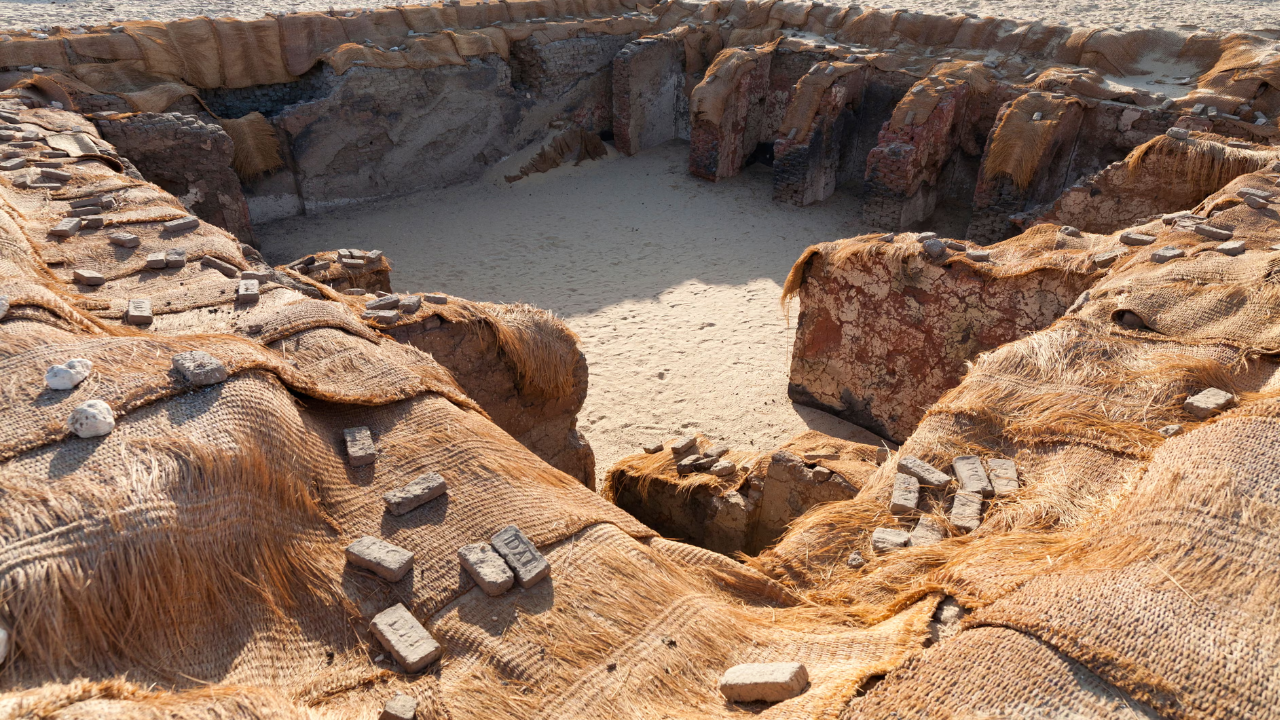
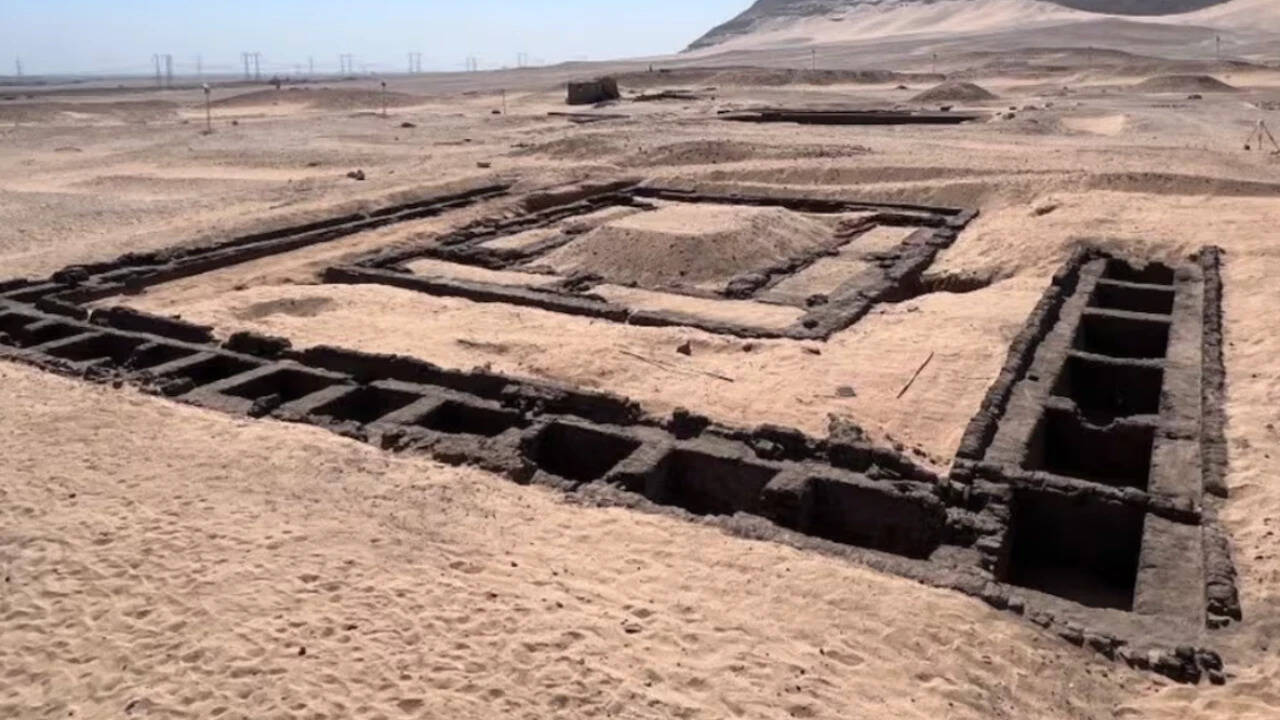
When pioneering archaeologist Flinders Petrie first excavated the royal tombs at Umm el-Qa'ab in the early 20th century, he found something unsettling. Surrounding the massive burial complexes of Egypt's First Dynasty kings—dating back to around 3000 BC—were hundreds of smaller, simpler subsidiary graves. These plots held court officials, servants, and artisans. Petrie had a hunch that dozens of people dying simultaneously alongside their king couldn't possibly be a coincidence. He suspected mass murder, or rather, state-sanctioned human sacrifice designed to populate the royal court in the next world. Don't forget to check out our previous post on this related article.
The problem? Petrie didn't have the forensic tools to prove it. He packed up select remains, reburied the rest, and left a lingering cold case that modern science has finally cracked.
Modern Forensics Reopens a 5,000-Year-Old Cold Case
Fast forward to current bioarchaeological research led by investigator Rose Campbell, who took a fresh look at forty-six preserved skulls pulled from those early royal cemeteries. Instead of guessing based on burial layouts alone, researchers applied advanced forensic trauma analysis to the bone fragments. To read more about the history here, BBC offers an informative breakdown.
The results were jarring. Nearly forty percent of the examined skulls showed clear evidence of fatal, peri-mortem blunt force trauma. These weren't accidental tumble injuries or post-mortem damage caused by shifting earth. The patterns pointed straight to deliberate, violent strikes to the head.
Let's look at what the physical evidence actually reveals:
- Targeted Impact Zones: Many fractures occurred high up on the cranium, above the natural hat-brim line, which heavily points toward intentional interpersonal violence rather than everyday accidents.
- Weapon Signatures: The linear fractures match up with heavy, flat objects made of wood, stone, or antler.
- Intact Extremities: The small bones of the hands and feet were remarkably well-preserved and undamaged, which rules out theories that bodies were violently dragged or moved from older, unrelated graves.
This physical data closes a loop that sat open for generations. The First Dynasty elite weren't just burying their favorite workers out of respect. They were killing them to staff the pharaoh's eternal household.
Why Ancient Egypt Dropped the Practice So Quickly
Human sacrifice wasn't unique to early Egypt. Early Mesopotamian cultures and early Chinese dynasties practiced retainer sacrifice on a massive scale. Rulers genuinely believed that a king needed his treasurer, his chefs, and his bodyguards in the underworld just as much as he needed them in Memphis or Abydos.
Yet, this dark tradition didn't last long in the Nile Valley. By the time Egypt entered the Old Kingdom and the age of the great pyramid builders, mass retainer sacrifice vanished entirely. Why?
Part of it came down to shifting religious ideology. The democratization of the afterlife meant that ordinary people eventually believed they could reach paradise on their own merits, provided they lived righteously and could afford the proper funerary spells. Slaying a hundred court workers every time a king kicked the bucket also proved wildly unsustainable—and deeply unpopular among the living power brokers of the state. It was a brutal political tool that Egypt quickly outgrew, trading physical bloodshed for magical substitute figurines called shabtis, small statuettes meant to do the manual labor in the afterlife instead of actual human beings.
The Human Cost Behind the Monuments
It's easy to get lost in the grand timeline of dynasties, pharaohs, and monumental architecture. We talk about stone blocks and gold leaf like ancient history is a video game strategy guide. But studies like the one at Abydos drag the real, terrifying human cost back into the light.
Did these workers walk willingly to their doom? Historians suggest a complicated mix of genuine religious fervor, cultural brainwashing, and absolute terror. If you truly believe your divine ruler commands the sun and your eternal soul depends on serving him, maybe you step up. Or maybe you tried to run, only to be caught by the king's guards.
Either way, those fractured skulls tell a story that official hieroglyphics tried to gloss over. The foundations of the Egyptian state were quite literally built on the bones of the people forced to follow their masters into the dark. Next time you look at a pristine artifact from the dawn of Egypt, remember the messy, violent reality hiding just beneath the sand.