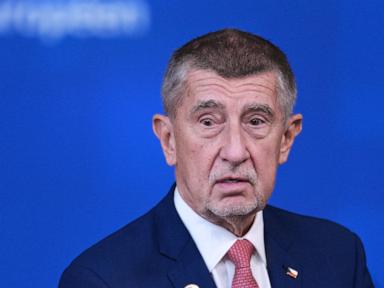
Another week in Prague, another marathon parliamentary showdown ending with the same exact result. Prime Minister Andrej Babiš just weathered his second no-confidence vote of the year, defeating a united opposition that tried to paint his coalition as a fiscal and institutional hazard. If you look past the political theater, this latest survival test tells you everything you need to know about how power is currently concentrated in the Czech Republic.
The numbers tell a straightforward story. After nearly 27.5 hours of exhausting parliamentary debate, the motion collapsed because the governing coalition holds a rock-solid majority in the Chamber of Deputies. All 94 coalition lawmakers present backed the cabinet, rendering the opposition's 83 votes completely symbolic. You needed 101 votes to pull off an upset, and the fractured opposition never came close.
What the Opposition Got Wrong
The five opposition parties—spanning civic democrats, mayors, pirates, and regional movements—threw everything they had at Babiš. They zeroed in on the projected 2027 budget deficit, long-standing conflict-of-interest allegations surrounding the billionaire populist, and what they claim is a systemic erosion of democratic institutions.
Here is the flaw in their strategy. Babiš has built an entire political identity on being the anti-establishment outsider, even while running the government. When traditional parties gang up to challenge his fiscal choices or his business history, his base doesn't see a scandal. They see the political elite trying to unseat a leader who speaks their language. Raging against his budget targets in a marathon speech doesn't sway voters who already trust his populist blueprint over technocratic warnings.
The Coalition Shield
To understand why Babiš remains secure, look closely at who is sharing power with him. His ANO party anchors a coalition alongside the Motorists for Themselves and the Freedom and Direct Democracy party. This alliance gives him a comfortable cushion in parliament, insulating him from small defections or internal friction.
Sure, tension exists beneath the surface. Earlier friction with President Petr Pavel over cabinet appointments made headlines, and local political tides can shift rapidly—as seen in subsequent regional and Senate contests. But inside the national legislature, party discipline held firm when it counted. Babiš's partners know that breaking ranks means risking fresh elections they might not survive, so they circle the wagons every single time a no-confidence motion hits the floor.
Where Czech Politics Goes From Here
Surviving a confidence vote doesn't mean Babiš is coasting toward smooth waters. The real pressure point isn't parliamentary math; it's public fatigue over inflation, spending choices, and the ongoing tug-of-war over the country's institutional future. Opposition groups are going to keep hammering away at these economic vulnerabilities because they have no other choice.
If you want to track where Czech policy is heading, stop watching the theatrical no-confidence showdowns. Watch the municipal spending debates and the upcoming fiscal adjustments instead. Babiš has proven he can beat back parliamentary ambushes with sheer arithmetic, but managing public expectations as the deficit debate heats up will require a lot more than surviving a vote.
Czech government survives no-confidence vote
This news report provides a concise broadcast overview of the parliamentary showdown and the core budgetary arguments raised during the no-confidence vote.