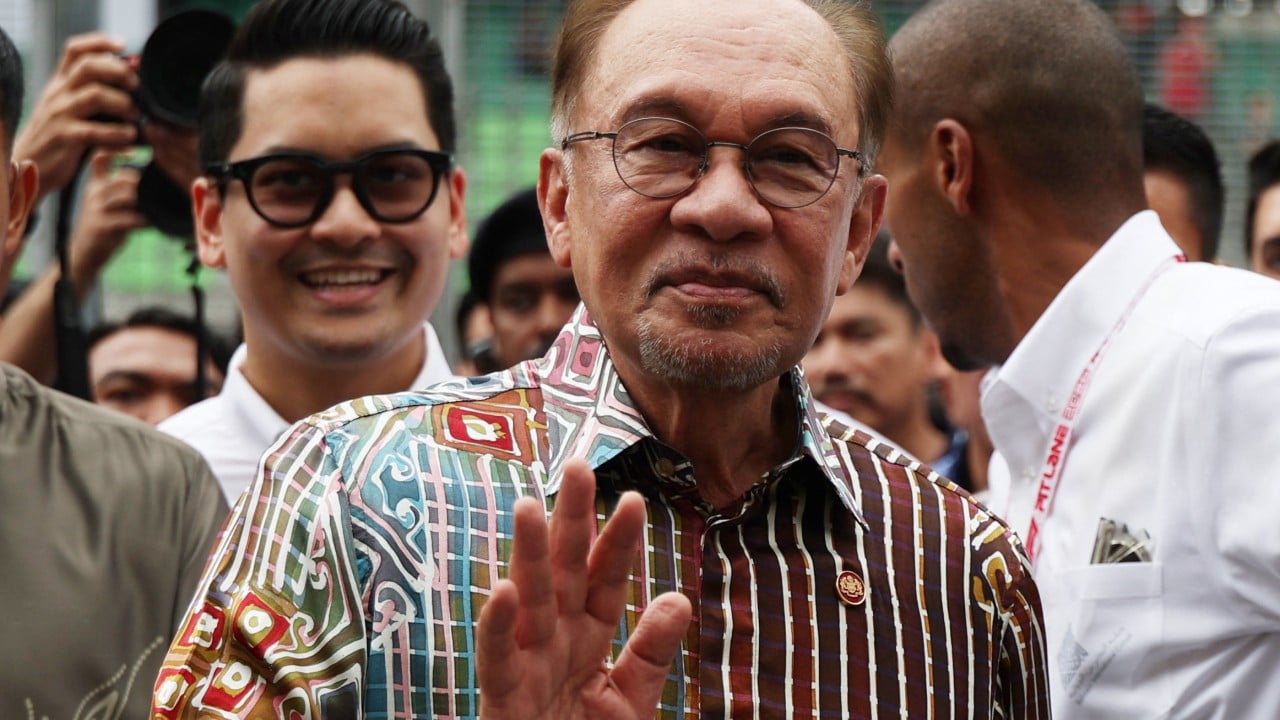
Malaysian Prime Minister Anwar Ibrahim faces a narrowing corridor between public appeasement and structural debt containment. When a government relies on popular spending to maintain political stability while simultaneously attempting to honor fiscal deficit targets, contradictions inevitably surface.
The administration’s financial blueprint attempts to soothe cost-of-living anxieties through targeted assistance and minimum wage adjustments. Yet, beneath the surface of crowd-pleasing provisions lies an enduring pressure: the heavy burden of legacy debt and constrained revenue streams.
The Weight of Legacy Obligations
Years of financial commitments and off-balance-sheet liabilities continue to cast long shadows over Putrajaya. Debt service charges consume a significant share of government revenue, restricting the room available for aggressive infrastructure expansion or unconstrained social outlays.
To understand the mechanics of this constraint, consider a hypothetical household that uses eighty percent of its monthly income strictly to service old credit card debt and mortgages. Little remains for discretionary improvements, emergency savings, or long-term investments.
Malaysia operates under a parallel macro reality. While nominal gross domestic product continues to expand, structural leakage and narrow tax bases historically limit how much cash the treasury can collect organically without imposing politically toxic broad-based consumption taxes.
Subsidy Rationalization Versus Popular Politics
For decades, blanket subsidies functioned as an invisible social contract between the state and the citizenry. Fuel and food price controls insulated households from global commodity shocks, but they also drained public coffers to the benefit of both the wealthy and the vulnerable alike.
Anwar’s administration has pursued subsidy rationalization—most notably targeting blanket energy supports—as an essential medicine for the national balance sheet. Shifting from broad subsidies to targeted cash transfers makes theoretical economic sense. Execution, however, remains politically hazardous.
Every ringgit redirected from universal pumps to targeted wallets triggers immediate anxiety among the middle class, who feel squeezed between rising service taxes and stagnant upward mobility. The political calculus requires Anwar to project fiscal discipline to international credit rating agencies while convincing domestic voters that reform will not crush their standard of living.
The Structural Revenue Dilemma
Narrow revenue generation remains the Achilles' heel of Malaysian public finance. Even with progressive measures such as targeted dividend levies and expanded service taxes, the nation's tax-to-GDP ratio lingers below optimal levels for a developing regional tiger aiming for high-income status.
Without a fundamental widening of the tax architecture—or a painful return to broad-based consumption models—the government remains vulnerable to external commodity price fluctuations, particularly oil-related dividends.
As global economic headwinds test regional resilience, the administration's strategy relies heavily on private sector investment and digital-green transitions to pick up the slack. Whether private capital can bridge the gap fast enough to offset government belt-tightening will define the ultimate success or failure of Putrajaya's economic roadmap.