When a judge hands down a life-without-parole sentence to a teenager, the legal world stops. That is exactly what happened in Barrow County, Georgia, when Superior Court Judge Nicholas Primm ordered 16-year-old Colt Gray to spend the rest of his natural life behind bars. No chance of release. No possibility of parole.
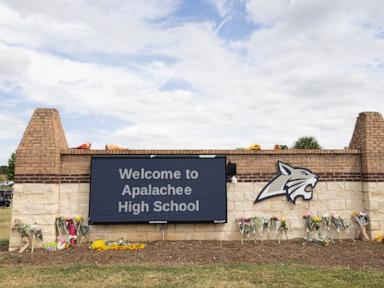
The case stems from the tragic September 4, 2024, mass shooting at Apalachee High School. Gray, who was only 14 when he walked into the school and opened fire, killed teachers Richard Aspinwall and Cristina Irimie, along with 14-year-old students Mason Schermerhorn and Christian Angulo, while wounding several others. After pleading guilty to all 55 charges—including four counts of malice murder—the core legal battle wasn't about guilt. It was about whether a child could be written off forever.
The Reality of Permanent Incorrigibility
The United States Supreme Court has repeatedly ruled that life without parole for juveniles should be reserved for the absolute rarest of offenders—those whose crimes reflect permanent incorrigibility rather than the transient impulsivity of youth. Defense attorneys argued tooth and nail that Gray was just 14 at the time, deeply troubled, and capable of rehabilitation. They pointed to his progress in a youth detention center, where he followed rules and took his medication.
Judge Primm saw it differently.
During the three-day sentencing hearing, prosecutors laid out a chilling motive that went far beyond typical adolescent angst or sudden rage. Investigators proved that Gray spent months meticulously planning the massacre. He wasn't lashing out because of fear or anger. He did it for the infamy.
The Dangerous Allure of Online Subcultures
If you want to understand how a 14-year-old plans a school massacre, you have to look at the digital spaces he inhabited. Testimony revealed that Gray was deeply embedded in the online "true crime community," a digital underground where young people obsess over mass killers, study past trial transcripts, and trade sick forms of fan art.
Gray didn't just stumble into this world. He idolized previous shooters, particularly Parkland gunman Nikolas Cruz, saving thousands of images of him on his phone. He wrote explicitly about wanting to "make history" and wanting people to remember the pain he caused.
Even more disturbing were the jailhouse phone calls played in court. Months after the shooting, recorded conversations caught Gray excitedly directing his mother to search online for comments and drawings about him. He viewed himself as being in the "big leagues".
Judge Primm addressed this dark reality directly from the bench. He noted that while Gray was undeniably failed by his parents, his extended family, and a digital culture that rewards notoriety over real human connection, those failures did not excuse his choices. Gray knew exactly what he was doing. He anticipated the court proceedings, planted Easter eggs for investigators to find, and sought lifelong fame through bloodshed.
What This Verdict Means Moving Forward
District Attorney Brad Smith argued successfully that Gray "cannot be in society". The emotional testimony from families of the victims—including Shayna Aspinwall, who spoke of a "life sentence of grief"—cemented the gravity of the crimes.
This sentencing sets a stark precedent for how the justice system handles modern teenage shooters who are radicalized online. When the motivation shifts from immediate emotional trauma to calculated, digital-age notoriety, the courts are increasingly willing to slam the door on rehabilitation arguments.
The digital echo chambers feeding these fixations remain active, and communities must grapple with how to intercept kids before they trade real life for a legacy of infamy.