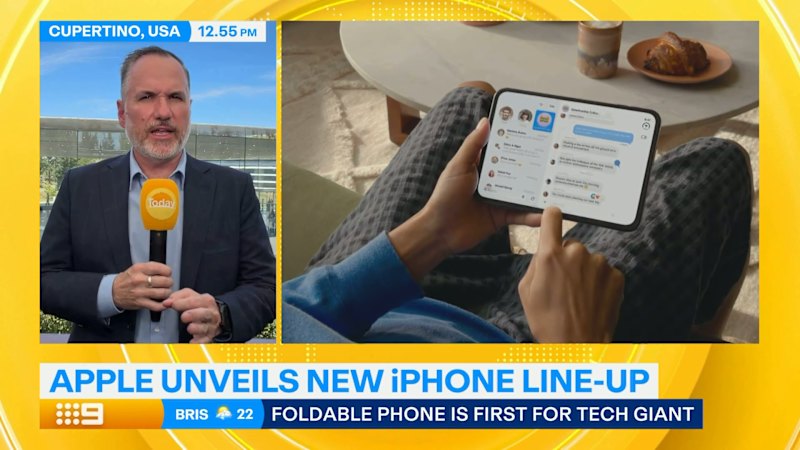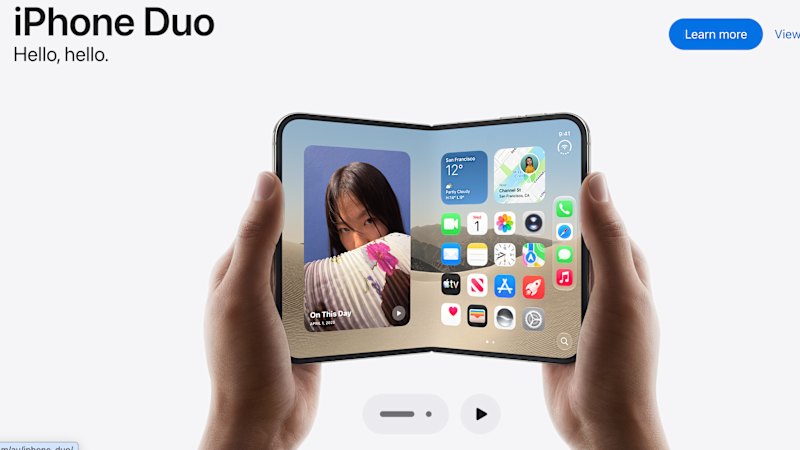
Apple didn't invent the foldable smartphone, but it just showed up to the party with a device that completely changes how we look at the category. If you watched the recent Cupertino keynote, you know the rumors were true. Apple finally dropped its long-awaited folding device, officially christened the iPhone Duo.
The headline feature everyone is talking about is the screen. The iPhone Duo packs Apple's largest ever display on a phone, unfolding to a massive 7.6 inches of interior screen real estate. That is roughly fifty percent larger than a standard Pro Max model, turning a pocket-sized device into a proper tablet the second you open it.
The Reality of Apple's Folding Screen Design
For years, critics laughed at Apple for sitting on the sidelines while Samsung, Google, and various Chinese brands iterated through multiple generations of book-style foldables. Those early devices suffered from nasty screen creases, fragile hinges, and questionable battery life. Apple watched, waited, and let everyone else beta-test the hardware category for half a decade.
The result of that patience is evident in the hardware choices. The iPhone Duo uses a custom multi-component hinge built from over one hundred separate parts to keep the interior display completely flat. More importantly, Apple managed to eliminate the obnoxious middle crease that plagues almost every other folding phone on the market. When you run your thumb across the 7.6-inch Super Retina XDR inner display, it feels surprisingly uniform.
Under the hood, the device runs on the brand-new 2-nanometer A20 Pro chip. Apple packed 12GB of RAM into this thing, which is necessary to handle both the intense graphics requirements of the dual-screen layout and heavy on-device artificial intelligence tasks.
Software That Actually Uses the Space
Hardware is only half the battle with foldables. Most Android foldables struggle because their software feels like a blown-up phone app rather than a tablet experience. Apple attacked this problem by designing a specialized version of iOS 27 built strictly around multi-window workflows.
You can finally run two distinct apps side-by-side without them crashing or scaling weirdly. Even better, the Split View feature allows you to open two separate windows of the exact same app. Imagine looking at two different tabs in Safari simultaneously while comparison shopping, or pinning a video to the top of the screen while scrolling through messages below.
Apple also baked in support for the Apple Pencil. Turning a phone into a scratchpad sounds like a gimmick until you actually need to sign a PDF or sketch out a quick concept while standing on a train. It blurs the line between an iPad Mini and an iPhone in a way that makes you wonder why they didn't do this sooner.
Who Is Actually Buying a Two-Thousand-Dollar Phone?
Let's address the elephant in the room: the price tag. Starting at $1,999, the iPhone Duo isn't trying to appeal to budget-conscious shoppers. It is an unapologetic luxury item aimed at early adopters, power users, and professionals who want maximum screen space without carrying a separate tablet.
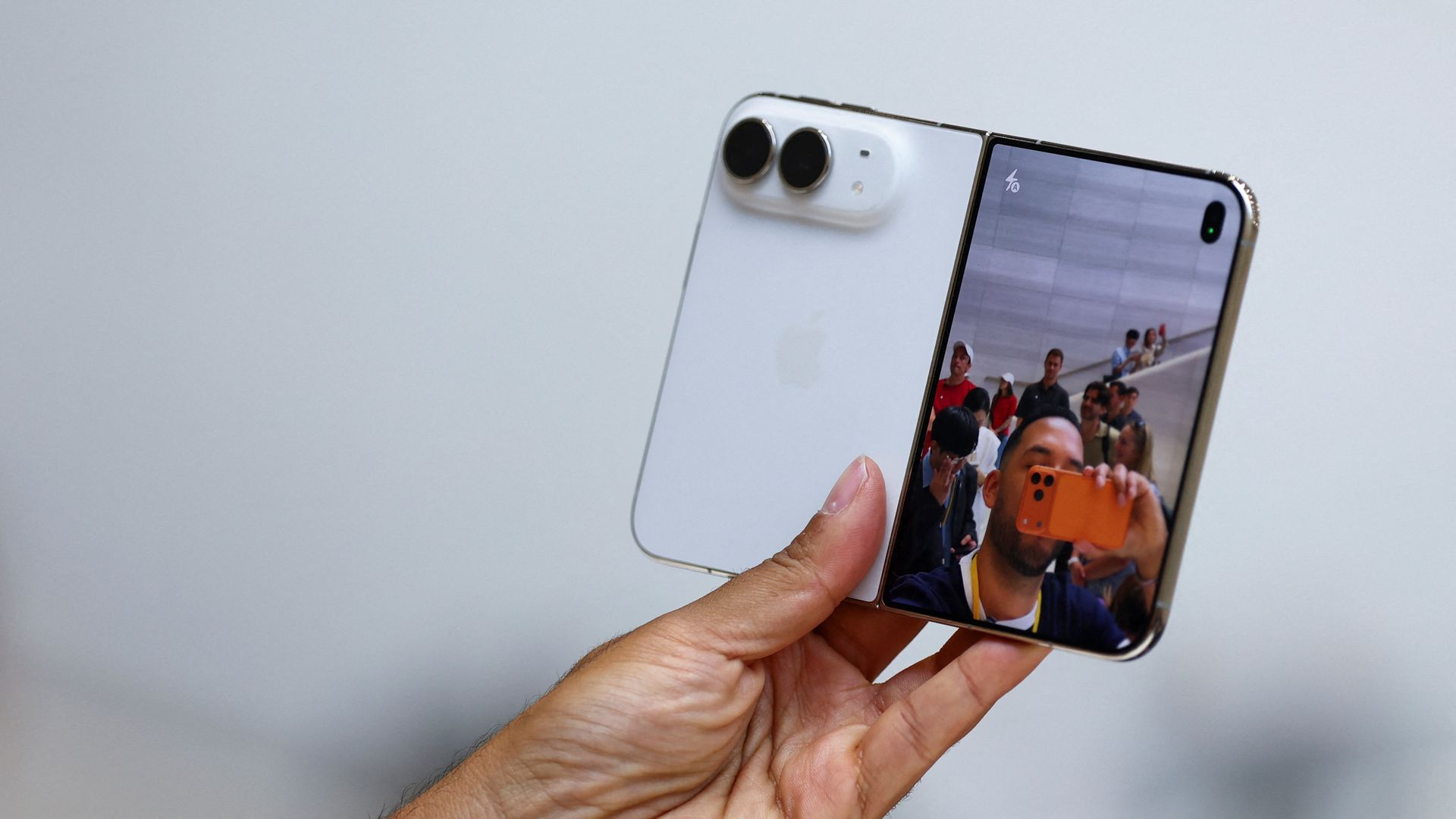
You also get a dual 48-megapixel camera setup on the back. Because of the folding design, the outer screen doubles as a live preview monitor when you use the main cameras to take photos of other people, or when you want to snap a high-resolution selfie.
Battery life is always a gamble with dual-screen devices, but Apple opted for a dual-battery layout distributed across both halves of the titanium chassis to push through a full day of heavy multitasking.
If you plan on grabbing one, preorders kick off on October 16, with store availability slated for October 23. Expect long wait times because initial supply is bound to be tight. Skip the base storage tier if you plan on keeping the device for four or five years, and seriously consider whether you'll actually use the extra display space before dropping two grand on a pocket-sized computer.