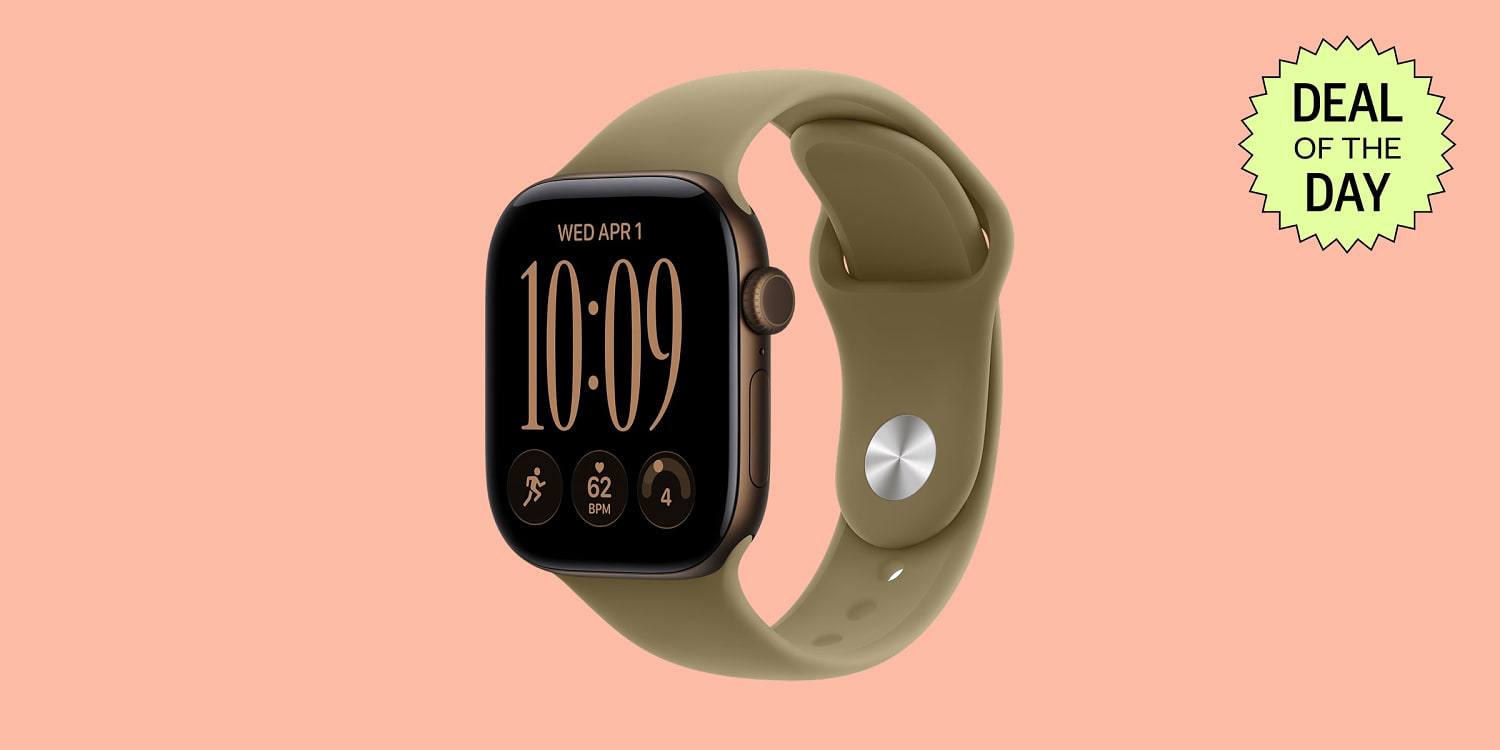
When Apple’s latest smartwatch loses $70 off its retail price barely sixty days after hitting store shelves, casual observers assume the product is flopping. It is not. That sudden markdown—appearing across major third-party retailers like Amazon, Best Buy, and Walmart right around the late-November shopping surge—is a calculated, predictable feature of modern consumer electronics retail, not a panic button pressed in Cupertino.
For buyers, the $70 discount makes the watch an immediate buy rather than a hesitant splurge. For industry watchers, however, the price drop exposes the widening gap between Apple’s official pricing theater and the brutal economics of holiday inventory movement.
The Illusion of the MSRP
Apple rarely discounts its own hardware on its own website. Walk into an Apple Store or browse Apple.com during Black Friday weekend, and you will pay full retail price, perhaps softened by a gift card meant to keep you locked inside the ecosystem.
Third-party authorized resellers operate under completely different financial pressures. Retailers buy massive allocations of new Apple hardware months in advance to secure tier-one stock for the fourth quarter. By late November, those warehouses are bursting. Holding onto unsold inventory past December carries steep storage costs and risks tying up capital that retailers need for the first quarter of the new year.
To move that volume fast, retailers subsidize the discount themselves or tap into cooperative marketing funds. A $70 cut on a flagship wearable is the exact psychological threshold needed to convert window shoppers who balked at the September launch price. It turns a luxury upgrade into an impulse gift.
Margin Math and the Ecosystem Trap
Apple does not care if Amazon takes a margin hit on the aluminum case in your cart. The hardware sale is merely the tollbooth.
Once a new Apple Watch is strapped to a wrist, the recurring revenue engine starts humming. A buyer who saves $70 upfront is statistically far more likely to spend money on high-margin accessories and services over the next three years. Consider the downstream math:
- First-party bands: A single replacement sport loop or braided solo loop carries profit margins that dwarf the watch itself.
- AppleCare+: Many buyers take the $70 they just saved on the hardware and immediately hand it back to Apple for an extended warranty plan.
- Services lock-in: Fitness+, iCloud storage tiers, and Apple Music subscriptions become much harder to cancel when your daily workout metrics and wrist-based notifications depend on them.
The $70 discount is effectively a customer acquisition cost. Retailers absorb the short-term bruise to win foot traffic and cart share, while Apple collects a long-term subscriber.
The Upgrade Fatigue Problem
Even accounting for holiday retail mechanics, an aggressive discount two months post-launch points to a structural reality in the smartwatch market. Hardware innovation has hit a plateau.
A decade ago, every annual smartwatch iteration brought obvious, visible leaps. Screens grew noticeably larger, processors stopped stuttering, and core health sensors went from novelties to medical-grade tools. Today, the year-over-year changes are incremental. Thinner bezels, slightly brighter displays under direct sunlight, faster on-device Siri processing, and marginal battery efficiency improvements do not compel someone wearing a two-year-old model to rush out on launch day.
Consumers have grown wise to the cycle. Early adopters still line up in September to pay full price for the privilege of owning the newest generation first. Everyone else waits. Market data over the last several holiday cycles shows a clear behavioral shift: mainstream buyers now view September MSRP as a temporary tax on impatience. They know that if they hold out until late November, the exact same box will be sitting on a digital shelf for $50 to $70 less.
Component Costs and Supply Chain Maturity
Apple’s supply chain mastery also plays a quiet role in making these early discounts possible without destroying profitability. By reusing core chassis architectures, display technologies, and sensor arrays across multiple generations, the company drives down per-unit manufacturing costs dramatically.
When a product relies on mature manufacturing lines rather than exotic, low-yield components, the bill of materials drops quickly after the initial production ramp. That cushion gives both Apple and its retail partners room to maneuver on price well before the device reaches the halfway mark of its annual lifecycle.
What Buyers Actually Need to Know Before Clicking Buy
Seeing a $70 markdown on a two-month-old Apple Watch triggers an immediate urge to buy, especially when stock counters start flashing low-inventory warnings. Before pulling the trigger, evaluate what the discount actually changes about the value proposition.
First, check the specific configuration on sale. Retailers almost always apply the deepest $70 cuts to the standard GPS-only aluminum models in neutral finishes like midnight, starlight, or silver. If you want cellular connectivity, a larger case size, or titanium finishes, the discount percentage often shrinks—or disappears entirely. Make sure you are not settling for a compromised spec sheet just to capture the headline savings.
Second, weigh the discounted flagship against the previous generation or the budget SE tier. A $70 price drop frequently compresses the pricing ladder, pushing the brand-new model uncomfortably close to leftover stock of last year’s watch. If the newest model is within $30 to $40 of its predecessor, the older watch becomes obsolete overnight. You get the newer system-in-package chip, longer software support, and peak battery health for minimal extra outlay.
Third, watch the return window. Big-box retailers extend their return policies during the late-November shopping window, often allowing returns well into January. Buying at the $70 discount now locks in the lowest price of the season while giving you a two-month buffer in case a carrier bundle or an even steeper flash sale appears before the end of the year.
The New Normal for Flagship Wearables
The days of Apple hardware holding rigid, unyielding prices for twelve straight months are gone. As the smartwatch category matures from an exciting frontier into a replacement-driven utility, pricing must flex to stimulate demand.
A $70 discount sixty days after release is not a sign of a broken product. It is the new baseline for how consumer tech gets sold when hardware reaches maturity—and for anyone holding onto an aging watch with a dying battery, waiting two months just paid off.