In the quiet hours before dawn in Tehran, the city breathes with a heavy, measured rhythm. Down dusty alleys in neighborhoods like Valiasr, bakery owners sweep flour from stone steps while listening to the low hum of morning news broadcasts. They are not looking for grand philosophical debates. They are listening for tone. They want to know if the door to tomorrow is still open or if someone has quietly bolted it from the inside.
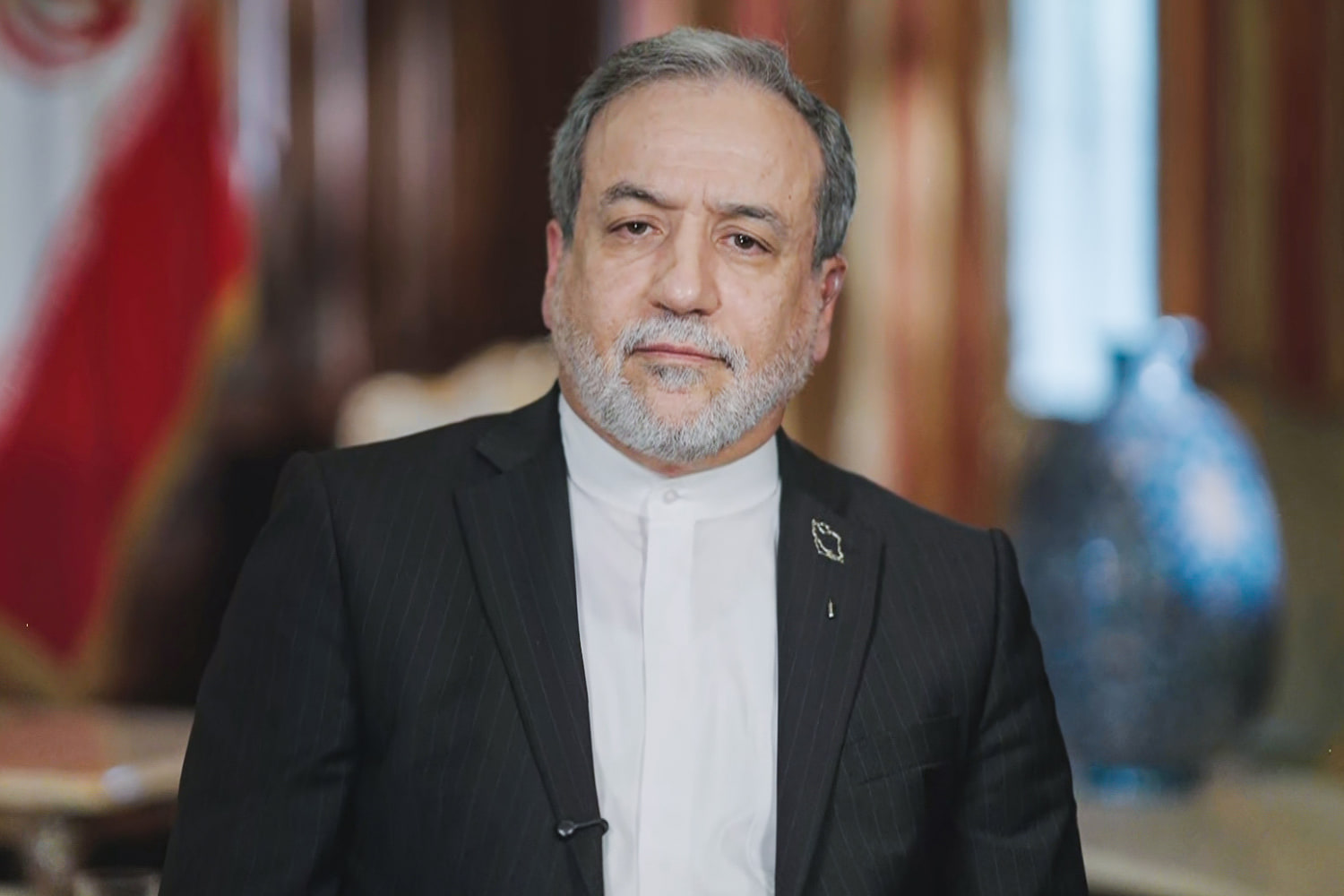
This is where geopolitics sheds its polished diplomatic vocabulary and becomes a matter of raw, human survival. When Foreign Minister Abbas Araghchi steps before microphones to deliver the official posture of the Iranian state, his words are parsed not just by intelligence agencies in distant capitals, but by grandmothers buying tomatoes and university students wondering about their passports. His message is a study in calculated paradox: Iran is fully prepared for war to resume, yet diplomacy is not over yet.
To the untrained ear, this sounds like double-speak. A contradiction wrapped in bureaucratic armor. But inside the high-stakes theater of Middle Eastern statecraft, it is the only sentence that remains. It is the language of the high-wire walker who refuses to look down, acknowledging the drop while gripping the balancing pole with white-knuckled intensity.
Consider what this means on the ground. For months, the region has flickered between the blinding flash of direct military exchanges and the hushed, subterranean whispers of back-channel talks. Every missile test, every regional proxy movement, every sharp editorial in state-backed newspapers acts as a heavy weight on one side of a very fragile scale. Araghchi’s declaration is not an invitation to conflict. It is a warning to anyone who might mistake exhaustion for surrender.
History hangs over these negotiations like a physical weight. Anyone who lived through the brutal, grinding realities of the Iran-Iraq War in the 1980s carries a cellular memory of what total conflict looks like. They remember the sirens wailing over Tehran, the blackout curtains pinned against windows, the generation of young men lost to an industrialized meatgrinder. When a senior official says the nation is prepared for war, older citizens do not cheer. They check their pantries. They buy extra flour. They stock up on medicine. They know that states go to war, but people endure it.
Yet, alongside that grim readiness runs a stubborn thread of diplomatic persistence. Araghchi’s insistence that negotiations remain alive is a recognition of a grim arithmetic: neither side can achieve total victory without triggering a catastrophe that would redraw the map of the entire region in ash. The Strait of Hormuz, through which a massive fraction of the world’s petroleum flows, is a shared hostage to fortune. A full-scale conflagration would not stay contained within borders; it would ripple outward, hiking energy prices, freezing supply chains, and plunging global markets into chaos.
Diplomacy, in this context, is not born of mutual affection or shared values. It is born of mutual terror. It is the cold realization that the alternative is too expensive to contemplate.
Watch the movements of the diplomats in Geneva, Vienna, and New York. They operate in rooms where the air is thick with stale coffee and centuries of institutional mistrust. They speak in coded euphemisms, trading concessions in small, incremental steps. Every sentence is weighed for its domestic political peril. A foreign minister who shows too much flexibility risks being branded a traitor by hardliners at home. A foreign minister who shows too little invites a crushing military escalation.
Araghchi is a veteran of this intellectual trench warfare. He understands the mechanics of intimidation. By explicitly stating that the military option is fully prepared, he aims to alter the calculus of his adversaries. The subtext is clear: do not mistake our willingness to talk for a lack of stomach to fight. Deterrence relies entirely on credibility. If an adversary believes you will fold at the first sign of pressure, they will push until you break. By locking in the stance of military readiness, Tehran attempts to establish a floor beneath its feet.
At the same time, the door left open for diplomacy serves as a lifeline to the international community. It gives European capitals and regional intermediaries something to work with. It prevents the narrative from hardening entirely into an inevitable descent toward ruin.
Step back from the podiums and the communiqués for a moment. Imagine a young engineer sitting in a cafe in Isfahan, scrolling through news updates on a cracked smartphone screen. She has dreams of building a life, of traveling, of seeing her research published internationally. She cares very little for the abstract doctrines of deterrence or the historical grievances of ideological factions. She cares about whether her currency will hold its value tomorrow, whether flights out of the country will remain grounded, and whether the sky outside her window will remain quiet.
When leaders speak of war and diplomacy, they are trading in the currency of millions of such lives. Every political maneuver has a human cost attached to it. The tragedy of modern statecraft is that the people who make the decisions are rarely the ones who pay the ultimate price.
This is the invisible architecture of the current standoff. It is a delicate lattice of threats, bluffs, historical trauma, and desperate hope. Araghchi’s words capture the exact psychological state of a nation caught in the crosshairs of history: braced for the worst, yet reaching blindly for a way out.
The days ahead will test the durability of that reach. As diplomatic cables shuttle back and forth through secret channels, ordinary people will continue to wake up, open their shops, and tend to their families, existing in the strange, suspended space between peace and catastrophe. The balance is precarious. The margin for error is razor-thin. And while the politicians argue over terms and red lines, the rest of the world holds its breath, waiting to see which side of the scale finally tips.