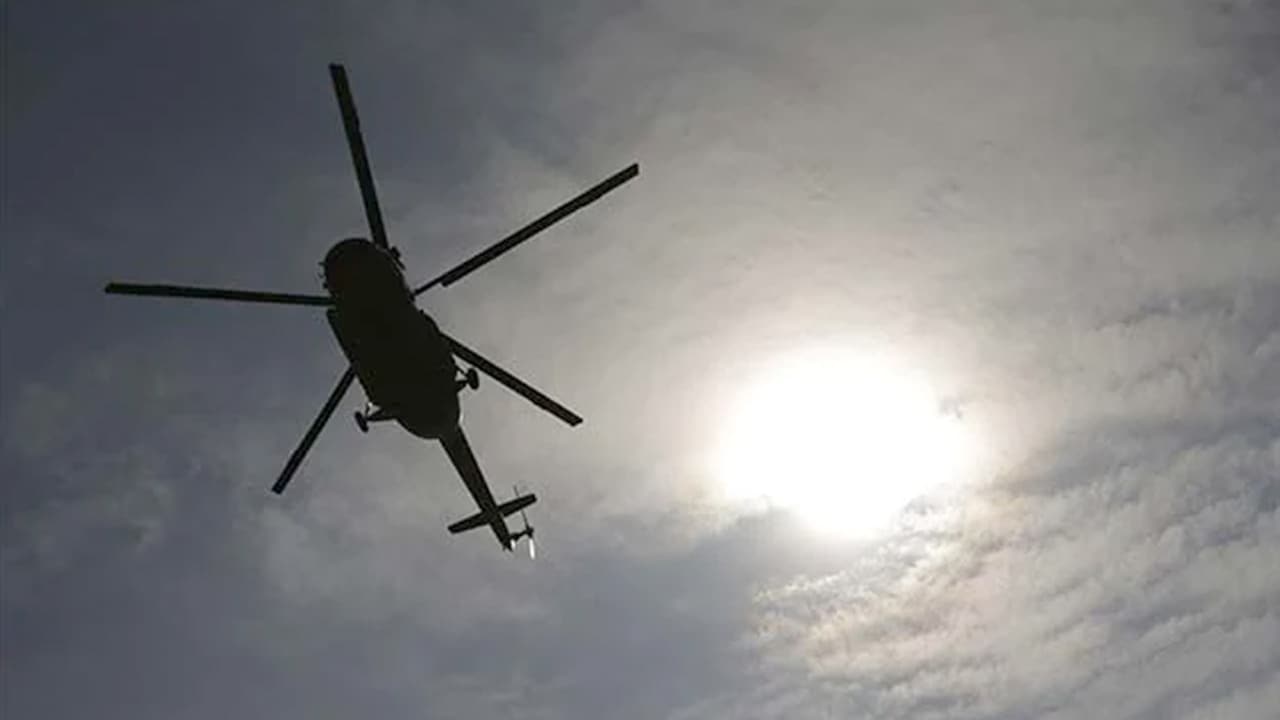
Seven lives vanished in the rugged expanse of western Argentina when a firefighting helicopter went down. It is a brutal reminder of the high stakes emergency crews face daily.
On a Wednesday morning that started like any other, a Bell 412 aircraft dropped off radar screens in the San Juan province. The crew wasn't just joyriding. They were positioning themselves to battle relentless forest fires chewing through neighboring La Rioja. Instead of saving lives on the fire line, they became the headline.
The Reality of Aerial Firefighting Risks
Most people see a helicopter dumping water on a blaze and think of it as standard aviation. It is far from routine. Pilots and crew members operate in hostile environments. Thick smoke reduces visibility to nearly zero. Extreme heat creates unpredictable wind downdrafts. Mountainous terrain leaves zero room for error.
The tragedy in San Juan's Ischigualasto natural park underscores how quickly a routine training or transit flight turns fatal. The aircraft was transitioning to support mounting wildfire emergencies in the region. Mountainous, semi-arid terrains across western Argentina have faced severe stress from spreading forest fires over recent weeks. When governments scramble resources to cover massive tracts of land, the pressure on aviation units spikes dramatically.
Who Was on Board
San Juan Governor Marcelo Orrego confirmed the devastating toll. The victims included a mix of specialized personnel who form the backbone of public safety:
- Firefighters trained to face extreme thermal hazards
- Police officers coordinating ground and air support
- Civil protection personnel managing emergency logistics
Security Minister Alejandra Monteoliva voiced public grief, noting the profound loss felt across the nation's security and emergency networks. Local authorities declared three days of official mourning, lowering flags to half-mast across the province.
What Happens During the Investigation
When an aircraft shatters into pieces like this one did, finding answers takes time. Emergency response teams and aviation authorities deployed immediately to the crash site in Ischigualasto. Investigators look at multiple failure points. Was it mechanical failure? Did sudden thermal winds overpower the aircraft? Did visibility drop below safe thresholds?
Official inquiries into military and civil aviation incidents in remote areas often face logistical hurdles. Wreckage spread across rugged terrain means technicians must piece together flight data recorders, engine components, and radio transmission logs under tough conditions. Initial contact was lost around 10:30 am local time, giving investigators a precise timestamp to map out the final minutes of flight telemetry.
The Broader Impact on Regional Emergency Services
Losing seven trained emergency professionals deals a massive blow to local response capacity. Argentina's western provinces rely heavily on a small pool of specialized aviation assets to tackle wildfires before they consume entire communities. When a primary rescue craft goes down, neighboring districts feel the pinch immediately.
Safety protocols for aerial firefighting undergo intense scrutiny after every major disaster. Agencies often have to balance the urgent need to suppress rapidly moving flames against the physical limits of aging aircraft and exhausted crews.
For now, families mourn their colleagues, and investigators search for the root cause of an accident that robbed San Juan of some of its most dedicated public servants.