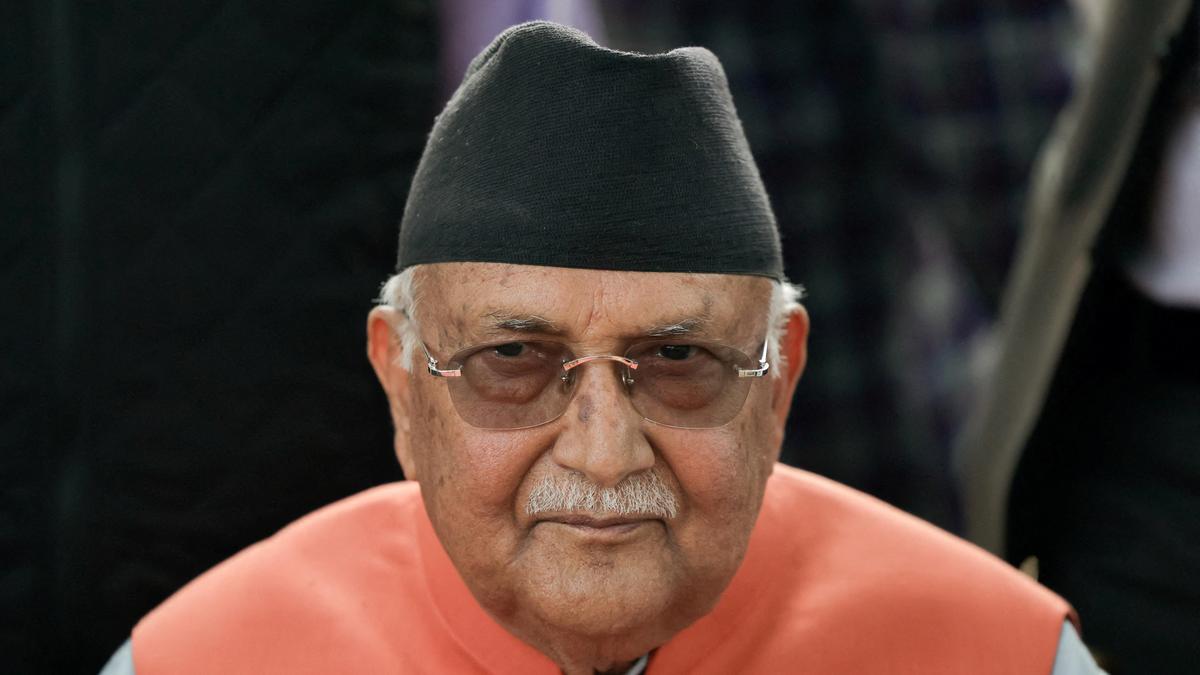
The pre-dawn silence in Bhaktapur didn't last. On Saturday morning, police units moved into the Gundu residence of former Prime Minister KP Sharma Oli, ending months of speculation about whether the "old guard" of Nepali politics would ever face consequences. It's a massive moment. Oli, along with former Home Minister Ramesh Lekhak, now sits in custody. They're being held over the "Gen Z" protest killings from September 2025, a dark chapter where at least 77 people lost their lives.
This isn't just another political reshuffle in Kathmandu. It's the first major move by the newly sworn-in Prime Minister Balendra "Balen" Shah, the rapper-turned-politician who rode a wave of youth frustration straight into the Singha Durbar. For years, the story of Nepal was one of revolving-door leadership and zero accountability. That cycle just hit a brick wall.
The day the street fought back
To understand why these arrests matter, you have to remember the chaos of September 8, 2025. It started with something seemingly small: a ban on 26 social media platforms, including TikTok and WhatsApp. The government claimed it was about "social harmony," but the youth saw it for what it was: a desperate attempt to muzzle dissent.
Thousands of students, many still in their school uniforms, flooded Maitighar Mandala. They weren't carrying party flags; they were carrying "One Piece" anime banners and signs that read "Shut Down Corruption, Not Social Media." When the police opened fire, killing 19 people on the first day alone, the movement transformed. It wasn't a protest anymore. It was an uprising.
The Karki Commission, led by former judge Gauri Bahadur Karki, eventually laid out the grim details. While they couldn't find a "written order" to shoot, they found something just as damning: criminal negligence. The report argues that Oli and Lekhak didn't just fail to stop the violence; they let it happen. When the police are firing at the heads and chests of teenagers, and the people at the top do nothing, that's not a mistake. It's a crime.
Breaking the culture of impunity
For decades, Nepal's political elite operated under a "gentleman's agreement." No matter how badly you messed up, the next guy in power wouldn't come after you because he knew he might be in your shoes next year. Oli and Lekhak likely thought they were safe behind this unwritten rule.
They were wrong.
The arrest warrants cite Sections 181 and 182 of the National Penal Code, specifically targeting culpable homicide and criminal negligence. We're talking about a possible 10-year prison sentence.
- KP Sharma Oli: Arrested at his home in Bhaktapur; later moved to Tribhuvan University Teaching Hospital (TUTH) due to health concerns.
- Ramesh Lekhak: Picked up from Suryabinayak early Saturday morning.
- Chandra Kuber Khapung: The former Police Chief also faces recommendations for prosecution.
The timing is surgical. Balen Shah was sworn in on Friday. By Saturday morning, the warrants were executed. It's a clear signal to the public that the "Balen Era" is going to look very different from the CPN-UML or Nepali Congress regimes of the past. Honestly, it's the kind of bold move that makes people believe in the system again—or at least, makes them stop hating it for a second.
Political revenge or long-overdue justice
Predictably, the CPN-UML is screaming "political vendetta." Party leaders like Mahesh Basnet have already called the arrests "prejudiced" and are threatening to bring their supporters onto the streets. There's a real risk of instability here. Oli still has a significant base, and his party isn't going to let their chairman go down without a fight.
But you have to look at the evidence. The Karki Commission report didn't just appear out of thin air. It was a months-long investigation into the deaths of dozens of citizens. If 77 people die under your watch and you're the one holding the reins of the security apparatus, you don't get to just walk away because you have a high-ranking title.
The defense will likely argue that "infiltrators" caused the violence, a line Oli has used before. They'll say the police were overwhelmed and acting in self-defense. But the medical reports tell a different story—bullet wounds in the head and neck don't suggest "crowd control." They suggest a state that viewed its own youth as the enemy.
What happens to the old guard now
This isn't just about Oli. The commission's reach is broad. They've recommended action against the former Home Secretary, the head of the Armed Police Force, and even the former head of the National Investigation Department. It's a systemic cleanup.
Even current officials aren't safe. The report suggests formal reprimands for the current Inspector General, Dan Bahadur Karki. This is an earthquake for the Nepali bureaucracy. If these recommendations are fully followed, it'll effectively end the careers of an entire generation of security and administrative leaders who were comfortable with the status quo.
The economic and social cost
The uprising wasn't just a loss of life; it was an economic disaster.
- 3 Trillion NPR: The estimated total economic damage to the country.
- 1 Trillion NPR: The loss in public infrastructure alone.
- 77 Lives: The human cost that can't be measured in rupees.
The "Nepo Baby" trend on social media, which highlighted the lavish lifestyles of politicians' kids while the average Nepali struggled, was the fuel. The social media ban was the spark. But the underlying cause was a deep, soul-crushing sense that the people in power simply didn't care.
Justice is finally on the clock
Sudan Gurung, the current Home Minister and a former activist himself, posted a simple message on Facebook after the arrests: "Promise is promise. No one is above law."
It's a punchy statement, but the hard part starts now. Carrying out an arrest is one thing; securing a conviction in a court system that has historically been slow and susceptible to influence is another. The world—and more importantly, the youth of Nepal—will be watching every single hearing.
If you're following this, keep a close eye on the "emergency meetings" being held by the CPN-UML. The next few days will determine if this leads to a new era of accountability or a fresh round of street violence.
What you can do next:
If you're in Nepal, stay informed through verified news outlets and avoid spreading unconfirmed rumors on social media that could incite further unrest. If you're observing from abroad, follow the updates from the Kathmandu Post or the Himalayan Times for the most direct coverage of the court proceedings scheduled for Sunday. The legal precedents set in the coming weeks will likely redefine the limits of executive power in South Asia for years to come.