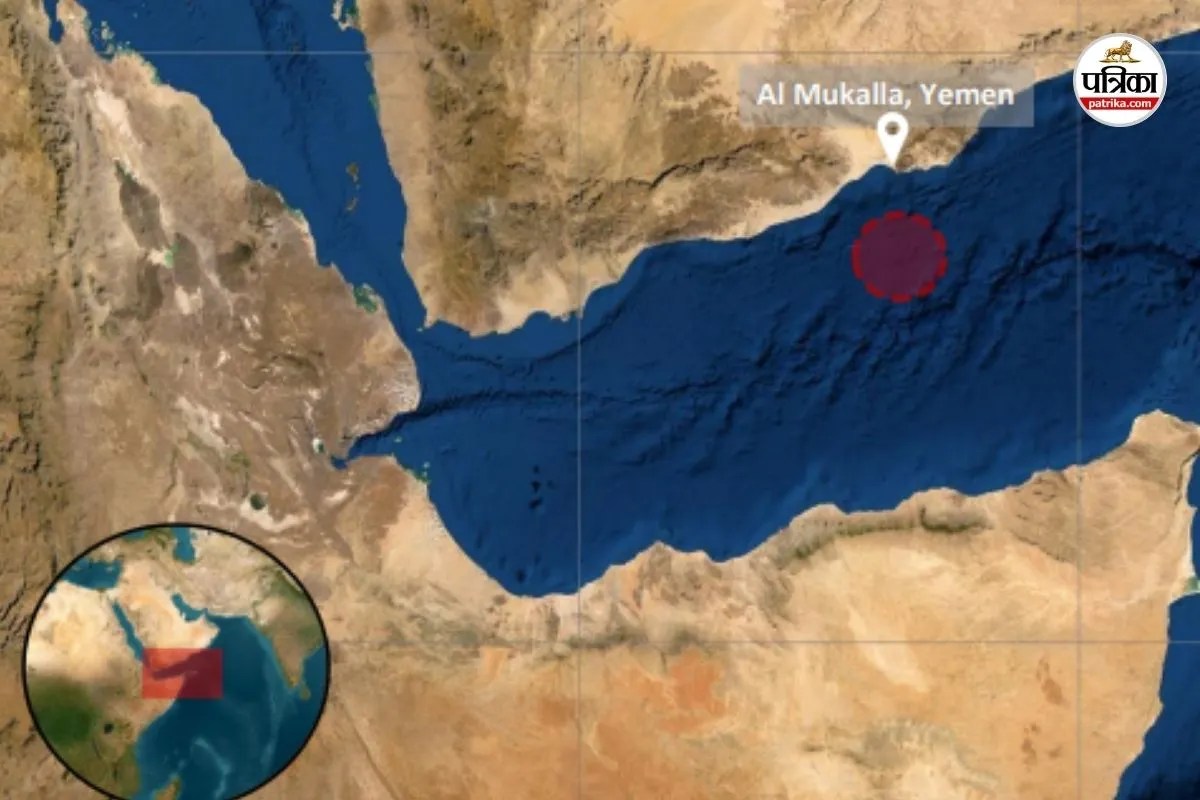
Pirates are back, and they aren't playing by the old rules. The recent hijacking of the commercial tanker Asana near the coast of Yemen proves that the shipping corridors in the Gulf of Aden remain incredibly dangerous. This wasn't just a random hit. The vessel was operating without a flag, navigating some of the most treacherous waters on the planet, and is now reportedly heading straight toward Somalia.
If you think maritime piracy was a solved problem from the last decade, this incident is a rude awakening. The geopolitical chaos in and around Yemen has created a perfect storm for criminal networks. When regional state surveillance drops, pirate groups seize the opportunity. Understanding what happened to the Asana matters because it directly impacts global trade routes, insurance premiums, and the safety of thousands of seafarers.
The Dangerous Reality of Flagless Tankers in High Risk Zones
Operating a commercial ship without a clear national registration or flag is a massive red flag. Under international maritime law, every merchant vessel must be registered under a specific country's flag. This country acts as the flag state and holds legal authority over the vessel. When a tanker like the Asana sails without a flag, it enters a legal grey zone that complicates international intervention.
Why would a ship sail flagless through a war zone? Often, it involves a desire to evade international sanctions, obscure ownership, or cut down on regulatory compliance costs. Rogue operators frequently use stateless vessels to transport illicit cargo or move oil under the radar. The problem is that this lack of legal protection makes them prime targets for hijackers.
When a flag state is attached to a vessel, that specific nation has a vested interest in protecting its citizens and assets. Military forces patrolling the region can coordinate directly with the flag nation to launch rescue operations. Without that official backing, response efforts slow down significantly. Navies operating in the area face bureaucratic nightmares trying to determine who owns the ship and who has the jurisdiction to authorize a military rescue.
The Convergence of Yemeni Instability and Somali Piracy
The geographic corridor between Yemen and Somalia is a choke point for international trade. Millions of barrels of oil and billions of dollars in consumer goods pass through here daily. The ongoing instability in Yemen has stretched regional naval forces thin, leaving vast stretches of water vulnerable to criminal activity.
Somali pirate networks have watched these developments closely. For years, international naval coalitions managed to suppress Somali piracy through aggressive patrolling and armed security teams on commercial vessels. But those networks never truly dissolved. They simply waited for a lapse in security.
Region of Incident: Gulf of Aden / Southern Red Sea
Vessel Name: Asana
Vessel Type: Commercial Tanker
Status: Hijacked, heading toward Somalia
Flag Status: Stateless / Unflagged
The Asana incident demonstrates a chilling tactical shift. Hijacking a ship near Yemen and steering it toward the lawless coast of Somalia requires sophisticated planning and coordination. The hijackers knew the vessel was vulnerable. They knew the lack of a flag would delay an immediate military response from international task forces. Once the ship reaches Somali territorial waters, launching a rescue operation becomes vastly more complicated due to political sensitivities and the risk of collateral damage.
How Maritime Hijackings Disrupt Global Supply Chains
You might think a single hijacked tanker in the Gulf of Aden won't affect your daily life. That's a mistake. The maritime shipping industry operates on razor-thin margins and tight schedules. A single high-profile hijacking sends shockwaves through the entire global logistics network.
First, shipping insurance companies immediately re-evaluate risk profiles for the region. War risk premiums skyrocket overnight. When insurers charge more to cover vessels passing through the Bab-el-Mandeb strait, shipping companies pass those costs down to the consumers. Every item on that ship, from raw materials to consumer electronics, becomes more expensive to transport.
Second, shipping companies often decide to bypass the region entirely if the risk becomes too high. Rerouting ships around the Cape of Good Hope in South Africa adds thousands of miles to the journey. It tacks on weeks of travel time and burns millions of dollars in extra fuel. This delays manufacturing supply chains and creates shortages at ports worldwide. The economic fallout spreads far beyond the immediate waters where the hijacking occurred.
Practical Security Steps for Ship Operators Navigating High Risk Waters
Shipping companies cannot afford to rely solely on international navies to keep their crews safe. Rogue operators who ignore standard safety protocols put everyone at risk. To survive in these waters, legitimate maritime operators must implement aggressive, proactive security measures.
Deploy Privately Contracted Armed Security Teams
The presence of armed guards on merchant ships remains the single most effective deterrent against pirate attacks. History shows that pirates almost never successfully board a vessel defended by professional, armed security personnel. These teams use non-lethal deterrents like long-range acoustic devices and water cannons before escalating to lethal force if the attackers persist.
Strictly Adhere to Best Management Practices 5
The international maritime industry established Best Management Practices 5 (BMP5) specifically to deter piracy in the Red Sea and Gulf of Aden. This framework includes practical steps like maintaining high speeds through high-risk areas, installing razor wire along the ship's perimeter, and securing a designated "citadel" where the crew can retreat and lock themselves in if the ship is boarded.
Maintain Continuous Tracking and Communication
Vessels must keep their Automatic Identification System (AIS) active unless turning it off is deemed absolutely necessary for safety. They need to maintain constant communication with maritime security centers like the United Kingdom Maritime Trade Operations (UKMTO). This ensures that if an attack occurs, military forces know the exact coordinates of the vessel immediately.
The hijacking of the Asana serves as a stark reminder that the oceans remain wild and unpredictable. When companies cut corners by operating stateless vessels through conflict zones, they invite disaster. Security in these waters requires constant vigilance, strict legal compliance, and an uncompromising approach to crew safety. Shipping companies must re-examine their routing strategies and security protocols right now to avoid becoming the next headline.