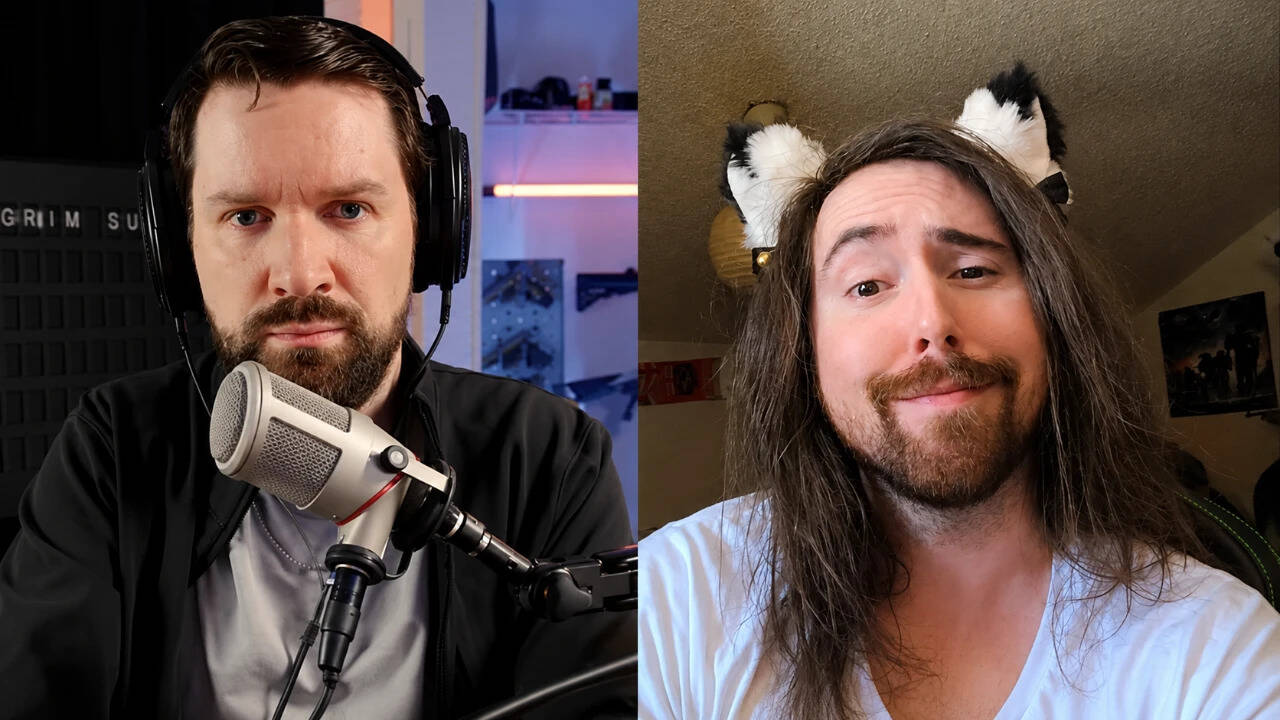
Platform loyalty in live streaming is a myth written by marketing departments and financed by venture capital. Nobody knows this better than Zack Hoyt, universally known as Asmongold.
When the prominent streamer recently floated the possibility of walking away from Twitch entirely, the comment section erupted into a predictable chorus of speculation. Competitors like Kick, Rumble, and YouTube immediately entered the conversation as potential landing spots. Yet the real story is not about where Asmongold might stream next. The core crisis involves the structural decay of Twitch itself, a platform that increasingly alienates its biggest creators through arbitrary policy enforcement, stagnant revenue splits, and an escalating hostility toward alternative viewpoints.
When fellow creator Destiny weighed in on the drama, he framed Asmongold potential departure as a dream scenario for Hasan Piker. The logic is straightforward. If the largest conservative-leaning and populist commentator exits the Amazon-owned ecosystem, a massive vacuum forms at the top of the cultural discourse charts.
The Economics of Mass Migration
Money dictates platform movement. Twitch built an empire on a fifty-fifty subscription split for years, treating creators as dispensable labor while pocketing half of recurring monthly revenue. Competitors changed that calculus permanently.
Kick arrived with a disruptive ninety-ten revenue split, forcing YouTube to reevaluate its own creator compensation packages and subscription tools. Rumble carved out a lucrative niche by offering ideological shelter and aggressive financial guarantees to political commentators who felt censored elsewhere.
Asmongold operates differently from standard variety streamers. Between his massive OTK organization responsibilities, reaction content on his secondary channels, and erratic streaming hours, he possesses an audience insulated from any single platform. He does not need Twitch monetization to survive. His brand is bigger than the infrastructure hosting it.
When a creator reaches this specific tier of independence, platform rules stop acting as guardrails and start acting as friction. Twitch management relies on automated moderation filters and opaque trust-and-safety guidelines that frequently target high-profile broadcasters without warning. Creators with options grow tired of waking up wondering if their channel will be suspended over a misinterpreted clip from three years ago.
The Ideological Chessboard
Destiny assessment regarding Hasan Piker highlights a deeper cultural fracture within live broadcasting. For years, Twitch policy enforcement has faced accusations of partisan bias. While executives deny these claims, the user base notices patterns in who gets banned and who gets a pass.
Asmongold represents a populist center-right perspective that resonates deeply with an audience feeling alienated by mainstream media and corporate tech platforms. If he abandons Twitch, the ideological balance of the top tier shifts dramatically.
Hasan Piker stands as the undisputed titan of the progressive left on the platform. Without Asmongold counterweight drawing millions of diverse views toward common internet culture topics, Twitch risks solidifying its reputation as a monolith with a singular worldview.
Competitors understand this vulnerability. Kick and Rumble are actively hunting for figures who can bring counter-cultural momentum to their user bases. They want friction. They want debate. Twitch, by contrast, spends millions trying to sanitize its broadcast environment to appease skittish brand advertisers who abandon the platform at the first sign of controversy.
The Technical Reality of Rival Platforms
Moving a multi-million-follower empire is not as simple as clicking a button. Each alternative platform presents distinct operational nightmares.
YouTube offers unmatched video-on-demand infrastructure and high baseline viewership, but its live discovery algorithms remain notoriously clunky for spontaneous streams. Chat culture on YouTube also lacks the hyper-reactive, chaotic energy that defined Twitch chat rooms for over a decade.
Kick provides a familiar interface modeled directly after Twitch, but its association with crypto-funded gambling backers turns off major corporate sponsors. Furthermore, its moderation infrastructure still resembles the Wild West, creating long-term brand safety concerns for anyone trying to run a professional media organization like OTK.
Rumble delivers strong protection against content strikes, yet its technical player and mobile app performance trail far behind the industry giants.
Asmongold knows these compromises better than anyone. He has built his entire career on analyzing bad design, broken systems, and corporate incompetence. Watching him evaluate a platform move is like watching an engineer inspect a collapsing bridge. He sees every rusted bolt and compromised foundation before anyone else.
The End of an Era for Amazon
Amazon acquired Twitch in 2014 for nearly one billion dollars, viewing it as the crown jewel of live video streaming. More than a decade later, the platform struggles to turn a consistent profit while bleeding top-tier talent.
The threat of Asmongold leaving is merely a symptom of a systemic rot. When creators who literally generate millions of hours of watch time openly discuss abandoning ship, the leadership team in San Francisco has failed.
The streaming wars entered a new phase of consolidation and attrition. Creators are realizing that platform loyalty pays zero bills. If Twitch continues to alienate its foundational talent base through over-regulation and poor monetization models, Asmongold departure will not be an isolated incident. It will serve as the opening salvo for a mass exodus.
The architecture of internet broadcasting is shifting beneath our feet. The only question left is who jumps first.


