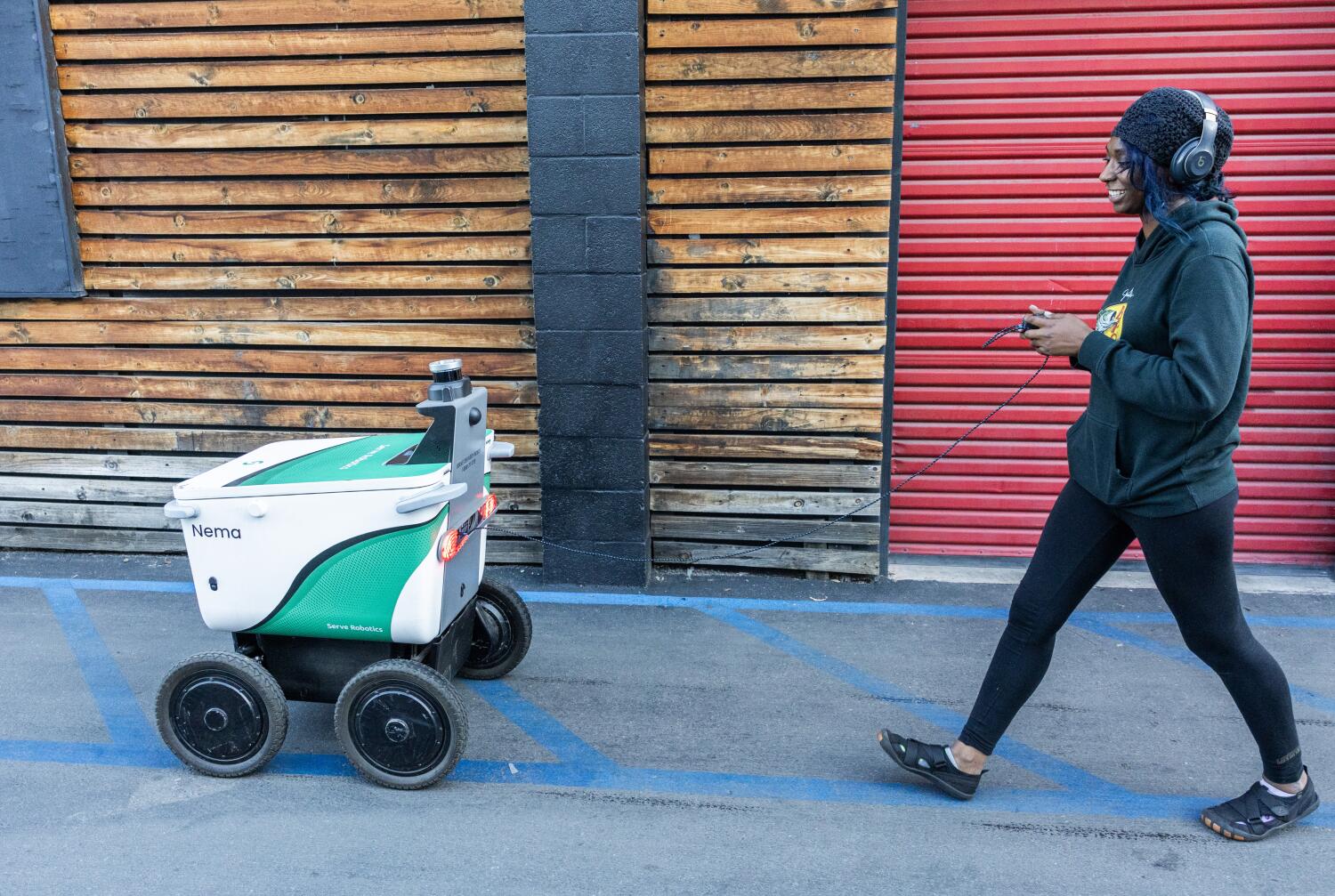
Autonomous sidewalk delivery has transitioned from an isolated pilot phase to a multi-platform distribution model, anchored by Serve Robotics securing a partnership with Grubhub following its strategic shift away from an exclusive Uber Eats arrangement. By integrating into Grubhub and its parent company Wonder alongside existing channels with DoorDash and Uber Eats, Serve is attempting to solve the core economic bottleneck of hardware utilization: asset idle time.
Deconstructing this market maneuver requires analyzing three structural pillars: asset agnosticism, micro-depot capital efficiency, and multi-app demand aggregation. If you liked this post, you should read: this related article.
The Three Pillars Of Neutral Fleet Economics
Traditional logistics firms operate under asset-heavy constraints where vehicle depreciation correlates directly with operational hours. Autonomous sidewalk robots introduce a distinct cost function, where fixed capital expenditure on hardware, sensors, and compute must be amortized across maximum possible order volume.
Asset Agnosticism Versus Platform Captivity
When Serve spun out from Uber, initial projections assumed a captive supply chain tied to a single parent application. Exclusive relationships restrict fleet routing efficiency. By opening its network to competing marketplaces—Uber Eats, DoorDash, and Grubhub—Serve shifts its operational posture from a captive delivery arm to neutral delivery plumbing. For another look on this story, check out the recent coverage from Gizmodo.
The math governing this shift is straightforward:
$$\text{Utilization Rate} = \frac{\text{Active Delivery Hours}}{\text{Total Deployed Fleet Hours}}$$
When an autonomous vehicle serves a single marketplace, its utilization rate is bound by that specific app’s localized market share and demand fluctuations. By pooling demand across the three major aggregators, the total addressable order volume per square mile increases significantly, compressing the payback period per unit.
The Micro-Depot Cost Function
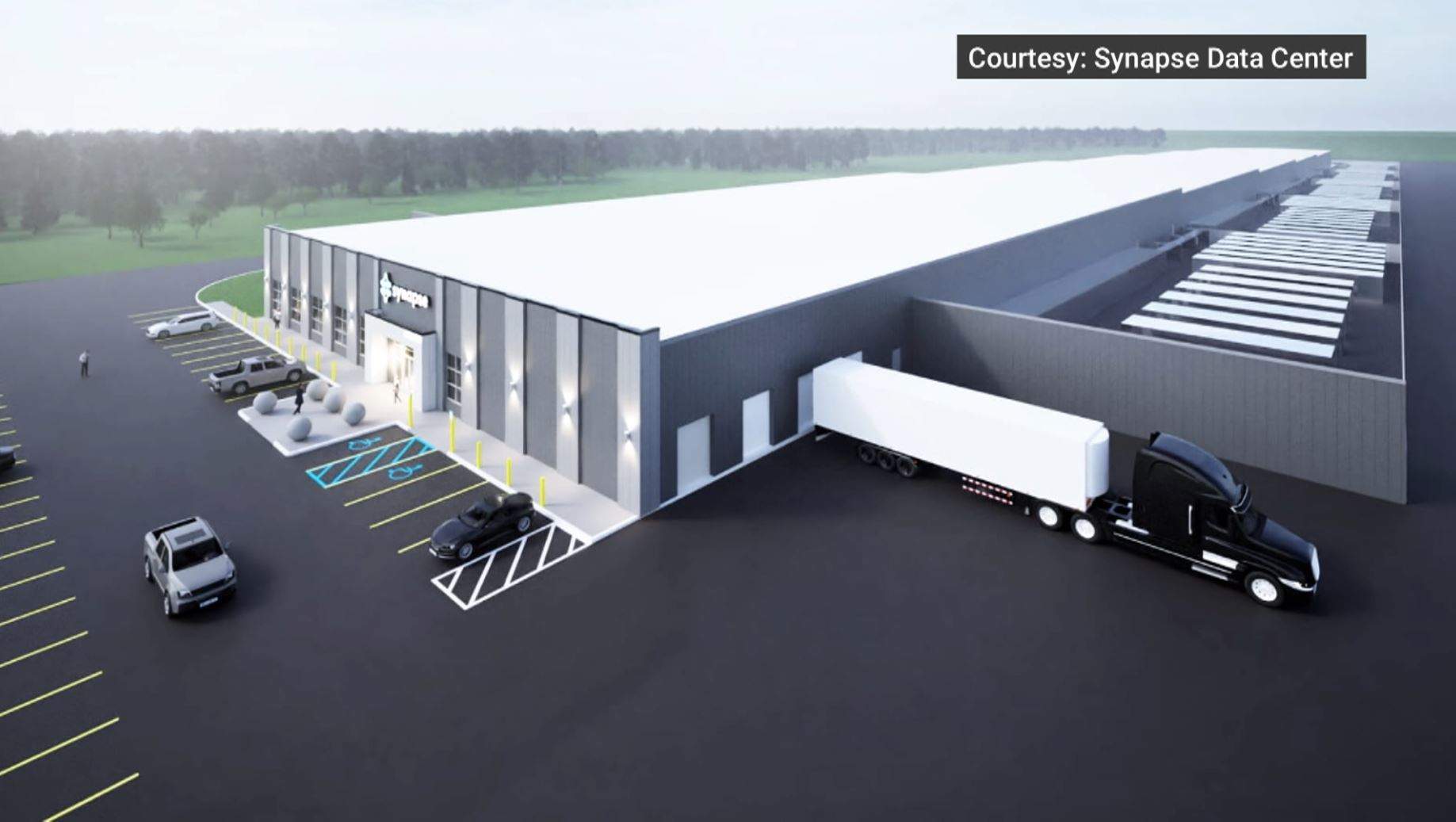
Scaling urban robotics historically required centralized, high-overhead operational bases for charging, maintenance, and staging. These full-scale facilities imposed high fixed overheads per market, delaying geographic expansion.
Serve's deployment of low-cost micro-depots in high-density zones like Miami fundamentally alters this equation. These decentralized nodes require minimal physical footprint and basic electrical infrastructure. By decentralizing storage and maintenance, the company reduces non-productive transit time—the miles a robot must travel empty between a central warehouse and its active delivery zone.
Lower non-productive miles directly decrease battery cycle wear and increase hourly delivery capacity per bot.
Hardware Integration Friction
Restaurant adoption has historically suffered from integration friction. Kitchen staff resist managing multiple tablets, proprietary terminals, and uncoordinated pickup alerts.
To mitigate this operational bottleneck, the introduction of standalone countertop units such as Beacon—which requires only cellular connectivity and a power source to notify staff of robot arrivals—removes software integration hurdles. Eliminating tablet clutter minimizes restaurant-side cancellation rates and reduces average dwell time at the merchant curb, preserving unit economics.
The Cause And Effect Of Marketplace Diversification
The structural catalyst for this multi-platform pivot was the breakdown of the exclusive Uber Eats arrangement, which led to downward adjustments in near-term revenue projections and a sell-off of Uber’s equity stake. Single-platform dependency exposes hardware operators to concentrated counterparty risk.
When a dominant application adjusts commission structures, algorithm priorities, or vertical integration strategies, captive robotics suppliers absorb the shock directly on their balance sheets.
Diversifying across Grubhub, DoorDash, and Uber Eats creates a hedge against platform-specific demand shocks. If order volume drops in one app's specific zone due to algorithmic changes or local promotions, the autonomous fleet can dynamically reallocate task queues to competing marketplaces operating within the same geofenced boundaries.
However, this multi-app strategy introduces software orchestration complexity. Routing engines must continuously balance order allocation, priority queues, and API handshakes across disparate third-party systems without human dispatchers.
Revenue Layering Through Non-Delivery Monetization
Relying solely on per-delivery fees leaves autonomous hardware fleets vulnerable to margin compression caused by wage inflation of human backup operators and hardware maintenance costs. To establish a sustainable financial model, operators must stack secondary revenue streams onto the physical chassis.
Sidewalk robots function as mobile physical assets traversing high-density pedestrian corridors. This creates an implicit advertising channel. Interactive character integrations—such as conversational AI personalities deployed on the robots—transform a basic utility vehicle into an active marketing medium.
When brands subsidize deployment or pay for ambient consumer engagement, the required margin per food delivery drops, accelerating the timeline to profitability for each deployed unit.
Simultaneously, horizontal expansion into adjacent sectors—such as the integration of hospital logistics via autonomous indoor platforms like Moxi—diversifies the risk profile away from consumer discretionary spending. Hospital supply chains operate on fixed, high-reliability service contracts rather than volatile consumer food delivery demand cycles.
Strategic Outlook
The transition of autonomous delivery fleets from proprietary adjuncts to shared infrastructure represents a mature phase in urban automation. Success no longer depends purely on navigation algorithms or sensor precision, but on logistics density and multi-platform integration efficiency.
Operators that maintain neutral status across competing commerce applications will capture higher fleet utilization rates than those tied to single ecosystems. Long-term viability requires relentless optimization of micro-depot placement, minimization of restaurant-side friction, and disciplined monetization of the physical asset beyond simple point-to-point transit.