Sirens in a sprawling city sound different depending on which side of the glass you stand.
Behind a storefront window in Koreatown or near a bus stop in South Los Angeles, a wail can mean help is on the way, or it can mean someone you love is about to be stopped, questioned, or worse. Inside a patrol cruiser idling at a red light at midnight, that same sound carries weight of another kind—split-second choices, radio chatter, aching backs from heavy gear, and the quiet dread of becoming the next viral clip before dawn. For a deeper dive into similar topics, we suggest: this related article.
City Hall debates policy in neat paragraphs. Streets do not.
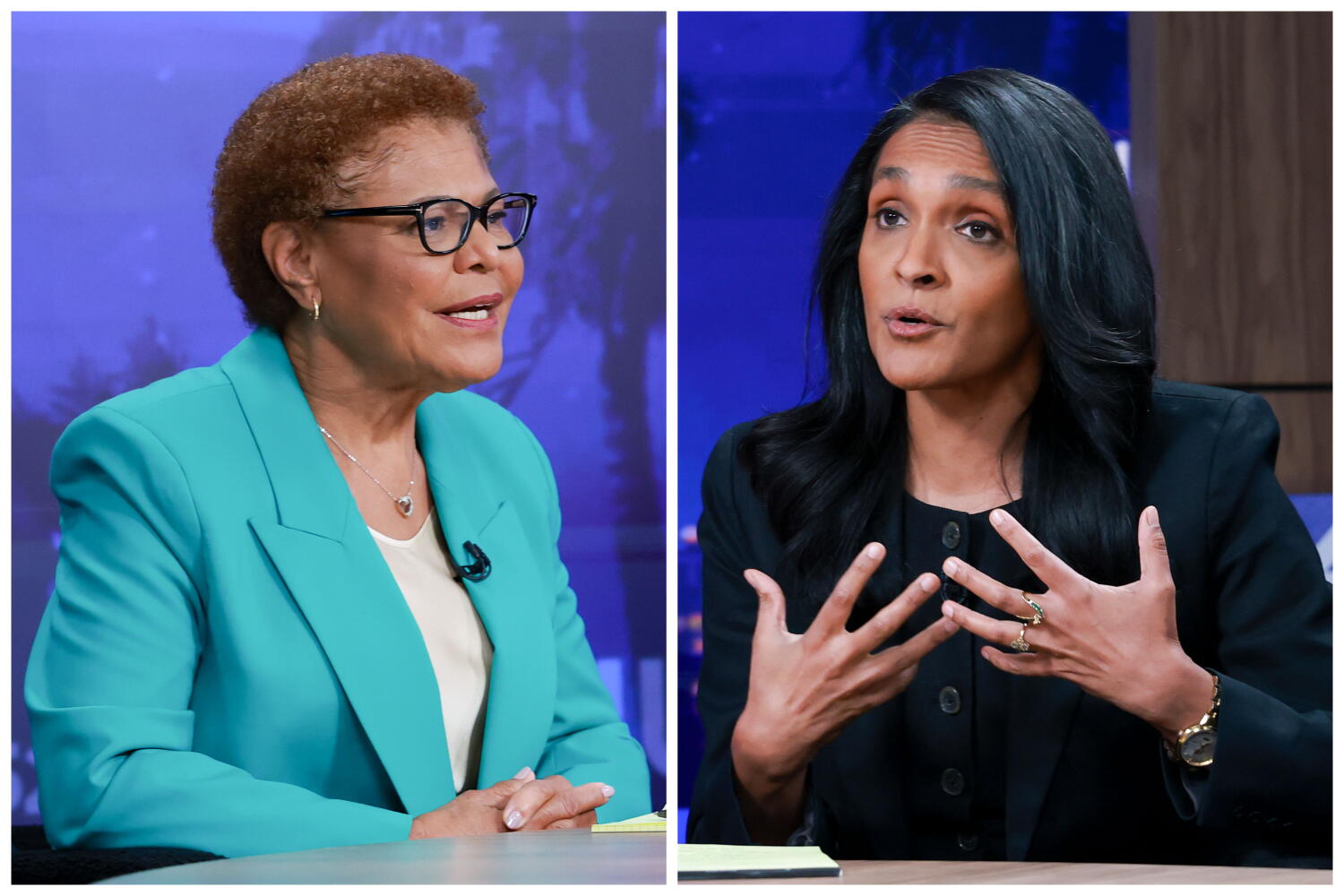
When leaders argue over how to run the Los Angeles Police Department, the friction rarely stays trapped inside committee rooms or press briefings. It leaks into every shift change, every neighborhood council meeting, every late-night knock on a door. When Mayor Karen Bass and an outspoken voice like Nithya Raman diverge on how the department should be handled, the dispute stops looking like a routine budget disagreement. It starts looking like a tug-of-war over what safety actually means, who gets to define it, and who pays the price when the answers collide. For additional background on the matter, detailed coverage is available on USA Today.
I have spent years sitting in folding chairs at community rooms across Southern California, listening to people talk past one another with exhaustion etched into their voices. You smell stale coffee and damp wool in winter, or baked asphalt and sunscreen in late summer. You hear a retired officer talk about feeling unmoored when rules shift mid-stream, and thirty minutes later you hear a mother whose son was stopped walking home from work explain why she still tenses up whenever cruiser headlights sweep across her living room wall.
Both stories can be true at once. That is the part that makes this whole argument so hard to untangle.
Why a Chief Becomes a Lightning Rod
Watch what happens to the top job at the LAPD whenever political currents pull in opposite directions.
A police chief is supposed to be an operational leader—someone who sets standards, manages thousands of sworn officers and civilian staff, shapes training, and keeps command steady when emergencies hit. Yet in a city as vast and fractured as Los Angeles, the chief inevitably becomes a symbol. Every policy memo gets read like a political manifesto. Every staffing decision gets weighed on a moral scale.
Critics on one side look at the chief and see a symbol of an institution that moves too slowly on reform, resists outside scrutiny, or leans too heavily on enforcement when neighborhoods need deeper social investment. Supporters on the other side look at that same chief and see a steady hand trying to hold a massive, strained force together amid rising expectations, recruitment pressures, and day-to-day calls that no single agency was ever designed to solve alone.
Neither view comes out of thin air.
To make the tension concrete, let us use a hypothetical scenario grounded in the real pressures that shape Los Angeles policing. Picture a Tuesday afternoon in late spring. Call the patrol officer Elena—not a real person, just a composite built from years of listening to beat officers describe the job. Elena has been on patrol long enough to know the blocks where tempers flare when heat settles over the basin. On her shift, she gets sent to a call involving a person in severe mental distress near a transit stop, followed minutes later by a property call down the street.
Now picture a hypothetical resident—call him Mateo—who works warehouse shifts and bikes home past midnight. Mateo wants fewer break-ins on his block, sure. He also wants to ride home without feeling like a suspect just because of the hours he keeps or the neighborhood he passes through.
When Elena and Mateo both feel misunderstood by the people making rules downtown, the chief standing at the center of that storm becomes a polarizing figure almost by default. Even a decision meant to calm one side can inflame the other.
Two Competing Compasses at City Hall
Disagreements between a mayor like Karen Bass and a council member like Nithya Raman matter because they highlight two distinct ways of diagnosing what ails the city and how to fix it.
One compass points toward pragmatic executive management and visible baseline order. From that vantage point, a mayor carries broad citywide responsibility—from homelessness and public safety to department morale and response times. Pushing too hard or moving too abruptly without operational buy-in can trigger pushback, low morale, or friction that makes daily governance harder. If you ask an executive focused on keeping a large municipal machine running, stability and clear chain-of-command carry heavy weight.
Another compass points toward structural accountability, civilian oversight, and questioning assumptions that have long gone unchallenged. A voice like Raman's often presses harder on power dynamics, spending priorities, transparency, and whether enforcement is being asked to do work better handled by housing, mental health response, or prevention. To critics of traditional policing, that pressure feels like overdue honesty. To defenders of the department, it can feel like constant second-guessing from people who do not carry a badge at two in the morning.
Metaphor time: think of a ship crossing rough water where the captain at the helm and a navigator on deck both want to reach harbor safely, yet one is reading the swell and wind while the other is checking the shoals and hull stress. Both can be looking at real hazards. If they shout across the bridge without a shared chart, the crew feels the lurch first.
In Los Angeles, the crew is the rank-and-file force—and the passengers are four million residents trying to live ordinary lives.
The Questions People Actually Ask in the Quiet Hours
When headlines zoom in on political clashes over the police chief, everyday residents usually have simpler, sharper questions underneath.
Does fighting over the chief actually make neighborhoods safer?
Not by itself. Leadership tone matters—it shapes discipline, priorities, and whether officers feel backed or scrutinized—but safety on a specific block depends on dozens of moving pieces: how fast emergency calls get answered, whether lighting and street design invite foot traffic or hide trouble, how courts and social services handle repeat crises, and whether neighbors trust one another enough to speak up. A fierce clash at the top can create clarity if it forces real reform, or it can create gridlock if energy goes into political posture instead of execution.
Why do reforms and tough-on-crime talk keep colliding?
Because people experience risk unevenly. A business owner dealing with repeated smash-and-grab damage feels the cost immediately in broken glass, higher insurance, and sleepless nights. A young person who has been stopped unfairly or watched a loved one harmed during a police encounter feels a different kind of fear—one tied to authority itself. Politics rewards sharp slogans that validate one fear while dismissing the other. Real life rarely gives us that luxury.
What happens to morale when the chief is constantly contested?
Morale is fragile, and it is notoriously hard to measure from a podium. Officers who feel their sacrifices are ignored or reduced to villainy pull back, take fewer initiatives, or leave for other agencies. When staffing drops, overtime climbs, burnout spreads, and patience wears thin. That wears down the very restraint and good judgment the public asks for most.
I will admit something candidly: I do not have a neat formula that resolves all of this without pain. Anyone who claims policing in a megacity is simple is selling certainty where none exists. Watching policy debates swing back and forth can leave you cynical, or it can leave you confused about what a fair, effective police department even looks like in practice.
History Has Seen This Movie Before
Los Angeles has wrestled with the identity and oversight of its police department for generations. Decades of growth, civil unrest, consent decrees, budget booms, and budget cuts have all left scars and lessons.
History shows a recurring pattern. When crime spikes or fear rises, pressure builds for aggressive enforcement and strong executive authority. When misconduct or heavy-handed tactics make headlines, pressure swings toward oversight, restraint, and structural change. Too often, the city treats these impulses like rival teams rather than twin demands of democratic policing: firm, lawful protection of life and property paired with strict accountability and respect for civil rights.
When a police chief becomes the focal point of that pendulum swing, the job turns into a high-wire act without a net. Every speech is parsed. Every metric is disputed. Every misstep by a single officer can undo months of outreach.
What Is Really at Stake Beneath the Headlines
Strip away the cable-news framing and look at what is truly on the line when leaders clash over the LAPD and its chief.
First, trust. Trust is slow to build and fast to burn. Once a community stops believing that calls will be answered fairly—or that complaints will be heard seriously—closing that gap takes years of consistent behavior, not press releases.
Second, human lives on both sides of the uniform. A resident who calls 911 in terror deserves competence, calm, and care. An officer stepping out of a patrol car into an unknown situation deserves clear training, sound backup, and leadership that values both safety and constitutional rights.
Third, the health of local democracy. Argument between a mayor and a council member is not a flaw in city government; disagreement is built into the design. The real test is whether friction sharpens policy—forcing real answers on response times, accountability, crisis alternatives, and recruitment—or simply turns public safety into permanent theater.
Look again at those two hypothetical figures—Elena sitting in a cruiser waiting out a long shift, and Mateo pedaling home under streetlights as the city sleeps. Neither of them gets to live inside a political soundbite. Both of them live with the consequences of what happens when leaders pull in opposite directions.
Out on the avenue, the red light turns green, a distant siren rises and fades, and the real work of keeping faith with the city begins all over again.