When Bangladesh garment owners threaten to quit wage talks and shut factories indefinitely, global retail executives start sweating. Fast fashion stops moving. Supply chains freeze overnight. This isn't just another routine labor dispute in South Asia—it's a high-stakes game of chicken over who pays for inflation, shrinking margins, and basic human survival.
You've probably seen the headlines before. Factory owners claim they're going broke. Workers say they can't afford rice or rent. Talks stall, threats fly, and factories lock their gates. If you want to understand why this standoff keeps happening—and what it actually means for global sourcing, labor rights, and the future of apparel manufacturing—you have to look past the press releases. You might also find this similar story useful: What Pat Cummins' Moss Vale Sale Actually Tells Us About Australian Property.
The Real Reason Wage Negotiations Keep Breaking Down
On paper, minimum wage negotiations in Bangladesh follow a structured process. The government appoints a tripartite wage board made up of representatives from factory owners, labor unions, and neutral state officials. Every five years, they sit down to recalculate what a garment worker needs to survive.
In reality, the math almost never works for both sides at once. As discussed in recent reports by Harvard Business Review, the effects are widespread.
Inflation in Bangladesh has hammered working-class families hard over the past several years, driving up the cost of staple foods, cooking oil, housing, and school fees. Unions and labor rights groups—including organizations like the Clean Clothes Campaign and local federations—argue that the legal minimum wage consistently falls way short of a genuine living wage. When workers can't feed their kids on a base salary, they're forced into grueling overtime shifts just to stay afloat.
Factory owners see an entirely different spreadsheet. Associations like the Bangladesh Garment Manufacturers and Exporters Association (BGMEA) and the Bangladesh Knitwear Manufacturers and Exporters Association (BKMEA) argue that production costs have surged across the board. Electricity and gas tariffs have spiked. Bank interest rates remain stubbornly high. Meanwhile, Western fashion brands are squeezing suppliers harder than ever on unit prices.
So when unions demand a sharp wage hike, owners push back with their nuclear option. Threatening to walk away from wage talks and shut down factories indefinitely is both a defensive crouch and a massive political lever.
Why Factory Lockouts Are a Calculated Pressure Tactic
Let's be honest about how power works in Dhaka. Ready-made garments (RMG) account for more than 80 percent of Bangladesh's total export earnings. Millions of jobs—mostly held by women—depend on those sewing lines running six days a week.
When factory owners threaten an indefinite shutdown, they aren't just talking to the unions. They're sending an urgent flare straight to the Prime Minister's office and the Ministry of Labour.
The Politics of the Shutdown Threat
A prolonged closure in major industrial zones like Gazipur, Ashulia, and Savar doesn't just hurt corporate balance sheets. It triggers immediate social unrest, empties local markets, and rattles foreign currency reserves. The government simply can't afford a prolonged paralysis in its single most important export engine.
By invoking the threat of closure—often pointing to Section 13(1) of the Bangladesh Labour Act, which allows owners to close factories under a "no work, no pay" rule during illegal strikes or unrest—manufacturers shift the political burden onto state regulators. They're basically saying, We can't absorb this cost alone, so either force a lower wage settlement or give us tax breaks and cash incentives.
What Happens Inside the Factory Gates
If you've ever spent time reviewing compliance audits or talking to sourcing managers on the ground, you know that "indefinite closure" notices create immediate chaos.
- Workers lose daily income. Under "no work, no pay" provisions, locked-out workers don't get paid for the days the gates stay shut, pushing vulnerable households into immediate debt.
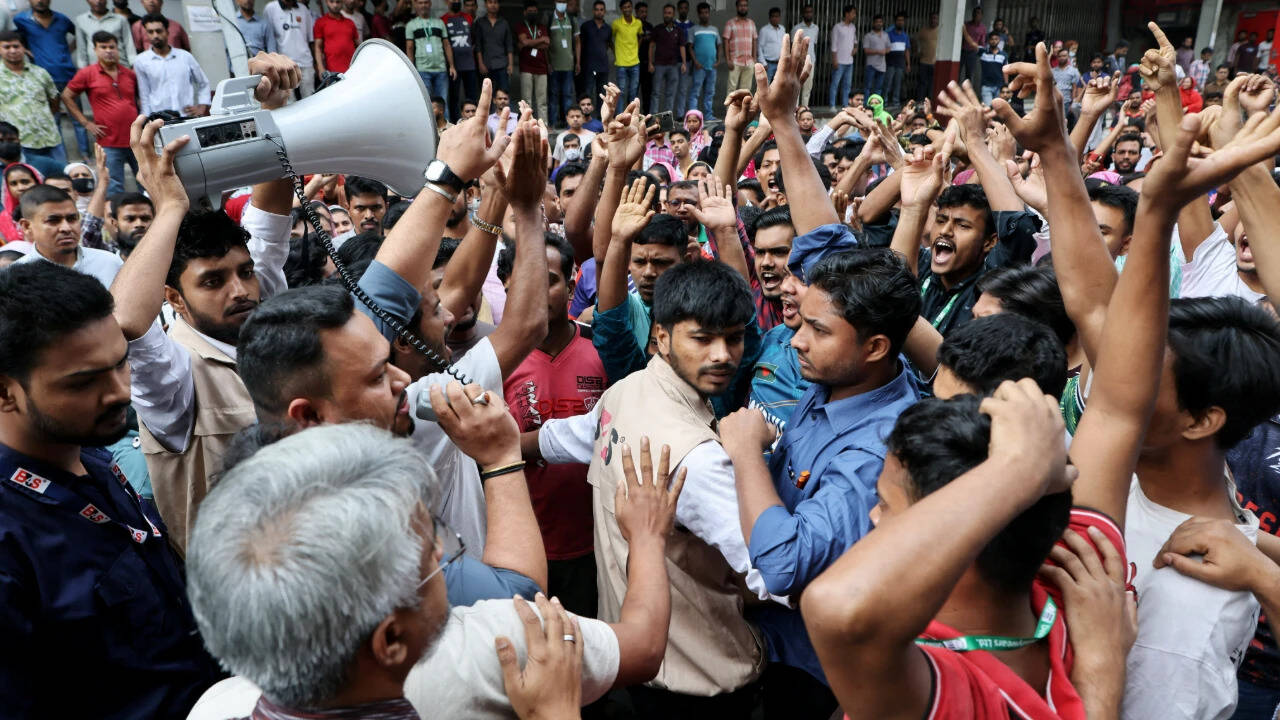
- Unrest escalates fast. When thousands of workers show up to locked gates with no clear timeline for reopening, peaceful protests frequently spill onto highways, leading to clashes with industrial police.
- Order deadlines slip. Every day a cutting and sewing line sits idle pushes shipments closer to air-freight penalties—a cost that wipes out a factory's profit margin on an entire purchase order.
It's a brutal standoff. Nobody wins when the machines stop humming, yet both sides feel cornered enough to pull the trigger.
What Western Fashion Brands Won't Tell You About Wage Talks
Here's the part of the story that rarely makes it into standard business coverage. Factory owners and garment workers aren't the only people sitting at that bargaining table—even if the third party isn't physically in the room.
Global apparel brands and retailers hold the real pricing power.
Over the last decade, major European and North American buyers have demanded faster turnarounds, smaller batch sizes, and lower Free on Board (FOB) prices. When raw cotton prices jump or shipping lanes get disrupted, brands rarely volunteer to increase what they pay per t-shirt or pair of jeans. Instead, they tell suppliers to "find efficiencies."
In an industry where labor is one of the few flexible costs left, "finding efficiencies" translates directly into suppressing wages.
Some progressive brands have publicly signed onto responsible purchasing commitments, promising to ring-fence labor costs so wage increases get reflected in higher order prices. In practice, sourcing teams at those very same companies are still evaluated and bonused on how much money they save on procurement. A compliance officer might push for living wages in a sustainability report, while a buyer down the hall threatens to move orders to Vietnam, Cambodia, or India if a Dhaka supplier raises prices by fifteen cents a unit.
That contradiction is the core fuel behind every wage crisis in Bangladesh.
Common Misconceptions About Garment Sector Strikes
When news breaks that Bangladesh garment owners threaten to quit wage talks and shut factories indefinitely, outside observers usually fall into two predictable traps. Both miss what's actually happening on the ground.
Misconception 1: Factory owners are universally greedy villains hoarding massive profits.
Some mega-conglomerates in Bangladesh certainly operate with thick cushions, luxury real estate portfolios, and political clout. Plenty of small and medium-sized subcontracting factories don't. Many mid-tier factories operate on razor-thin net margins of 2 to 4 percent. For them, an overnight 50 percent jump in payroll without a corresponding increase in buyer pricing genuinely threatens bankruptcy.
Misconception 2: Workers strike simply because outside agitators stir them up.
Factory associations frequently blame unrest on "outsiders" or political opportunists trying to destabilize the sector. While political groups sometimes try to capitalize on labor anger, the root cause is overwhelmingly economic. Workers don't risk their jobs, their safety, and their daily bread on the streets of Ashulia because someone handed them a pamphlet. They protest because their paychecks run out by the third week of the month.
Misconception 3: Shutting factories hurts owners more than buyers.
Big global retailers diversify their sourcing footprints specifically to survive regional disruptions. If Bangladesh locks down for two weeks, a global brand delays a seasonal drop, shifts emergency capacity to another country, and invokes force majeure clauses. The local factory owner, meanwhile, still owes interest on machinery loans and faces permanent reputational damage with international buyers.
How This Standoff Reshapes Global Supply Chains
Every time wage negotiations turn into a public crisis, the ripple effects travel far beyond Dhaka and Chattogram.
First, buyers re-evaluate their concentration risk. Bangladesh earned its spot as the world's second-largest garment exporter—behind only China—by offering unmatched scale, competitive pricing, and improving building safety standards following the 2013 Rana Plaza tragedy. Yet chronic labor instability makes sourcing directors nervous. Whenever factory closures hit the news, brands quietly accelerate backup onboarding in competing hubs like Indonesia, Pakistan, or nearshoring locations in Central America and Eastern Europe.
Second, regulatory scrutiny in Western markets gets sharper. The European Union's Corporate Sustainability Due Diligence Directive (CSDDD) and strict import enforcement laws in the United States mean brands can't easily claim ignorance about labor conditions anymore. If a brand's purchasing practices directly undermine a supplier's ability to pay a legal or living wage, European regulators and activist investors are increasingly willing to call foul.
Third, automation stops being a theoretical concept. For years, cheap labor kept Bangladesh's apparel industry heavily manual. Rising wage floors, combined with frequent labor stoppages, push well-capitalized factories to invest heavily in automated cutting tables, computerized knitting machines, and robotic material handling. Fewer workers per line means higher productivity—and less vulnerability to walkouts.
What Sourcing Managers, Buyers, and Analysts Should Do Right Now
If you work in apparel procurement, supply chain risk management, or ESG compliance, treating a Bangladesh wage dispute as temporary background noise is a mistake. You need concrete adjustments in how you manage vendor relationships and order pipelines.
- Audit your own purchasing terms immediately. Look at your open purchase orders with Bangladeshi suppliers. If you're squeezing payment terms out to 90 or 120 days while demanding discounts on repeat styles, you're actively contributing to the cash crunch driving these shutdown threats.
- Separate labor costs in your open-book costing. Work with Tier 1 suppliers to isolate direct labor minutes per garment. When a statutory minimum wage hike takes effect, adjust your FOB price specifically to cover that verified labor delta rather than forcing the factory to eat the difference.
- Build buffer lead times into critical seasonal drops. Never run a zero-slack shipping schedule out of Dhaka during a wage review cycle or periods of high domestic inflation. Add a 10-to-14-day buffer to your critical path calendar so a brief factory lockout doesn't force expensive emergency air freight.
- Verify Tier 2 and subcontracting exposure. Shutdowns hit smaller subcontracting units hardest because they lack direct brand relationships and credit lines. Map where your trims, washes, and overflow sewing actually happen, and ensure your primary vendors aren't dumping risk onto unregulated workshops.
- Engage directly with worker representation. Don't rely solely on factory management updates during a dispute. Check independent reporting from organizations like the International Labour Organization (ILO), Fair Wear Foundation, and local labor rights monitors to get an accurate read on whether factory gates are reopening peacefully or remaining locked under dispute.
Wage negotiations in Bangladesh will never be neat or quiet. As long as Western consumers expect five-dollar t-shirts while workers in Dhaka pay twenty-first-century prices for food and housing, the tension between factory owners and labor unions will keep boiling over. Understanding the financial and political levers behind shutdown threats is the only way to navigate the disruption without getting blindsided.