The media circus surrounding international football matches has always been a masterclass in performative outrage. When officials decide to lock doors and bar journalists—such as the recent flashpoint involving Israeli reporters shut out from a media call following a match against the Republic of Ireland—the sports establishment pats itself on the back for maintaining order. They call it de-escalation. They call it protecting the players.
They are lying.
Shutting out the press does not defuse tension. It manufactures a vacuum, and vacuums in modern sports media never stay empty for long. Instead of controlled chaos in a mixed zone, you get unverified social media leaks, hostile narrative warfare, and institutional cowardice masquerading as crisis management.
Let us strip away the diplomatic varnish. Governing bodies and tournament organizers love to preach about transparency, community engagement, and the unifying power of sport until a geopolitical storm touches the turf. The moment real friction arrives—the kind that stems from actual global conflict spilling into stadiums—the default reflex of management is to pull down the iron shutter.
This is a catastrophic strategic error.
I have watched organizations try to manage public relations crises by starving the beast, and the math never works. When you block legitimate journalists from asking hard, uncomfortable questions, you do not make the controversy go away. You hand the megaphone to algorithmic extremists on both sides of the aisle. The professional reporter with an editor, a code of ethics, and a deadline is replaced by anonymous accounts on social networks trading in rage-bait.
Consider the mechanics of the standard post-match media blackout. The official justification is always player welfare. We are told athletes should not be subjected to questions outside their professional remit. But let us be entirely honest about what actually happens in those rooms. Players and managers are treated like fragile porcelain, shielded from any query that does not involve a tactical breakdown or a clichéd nod to team spirit.
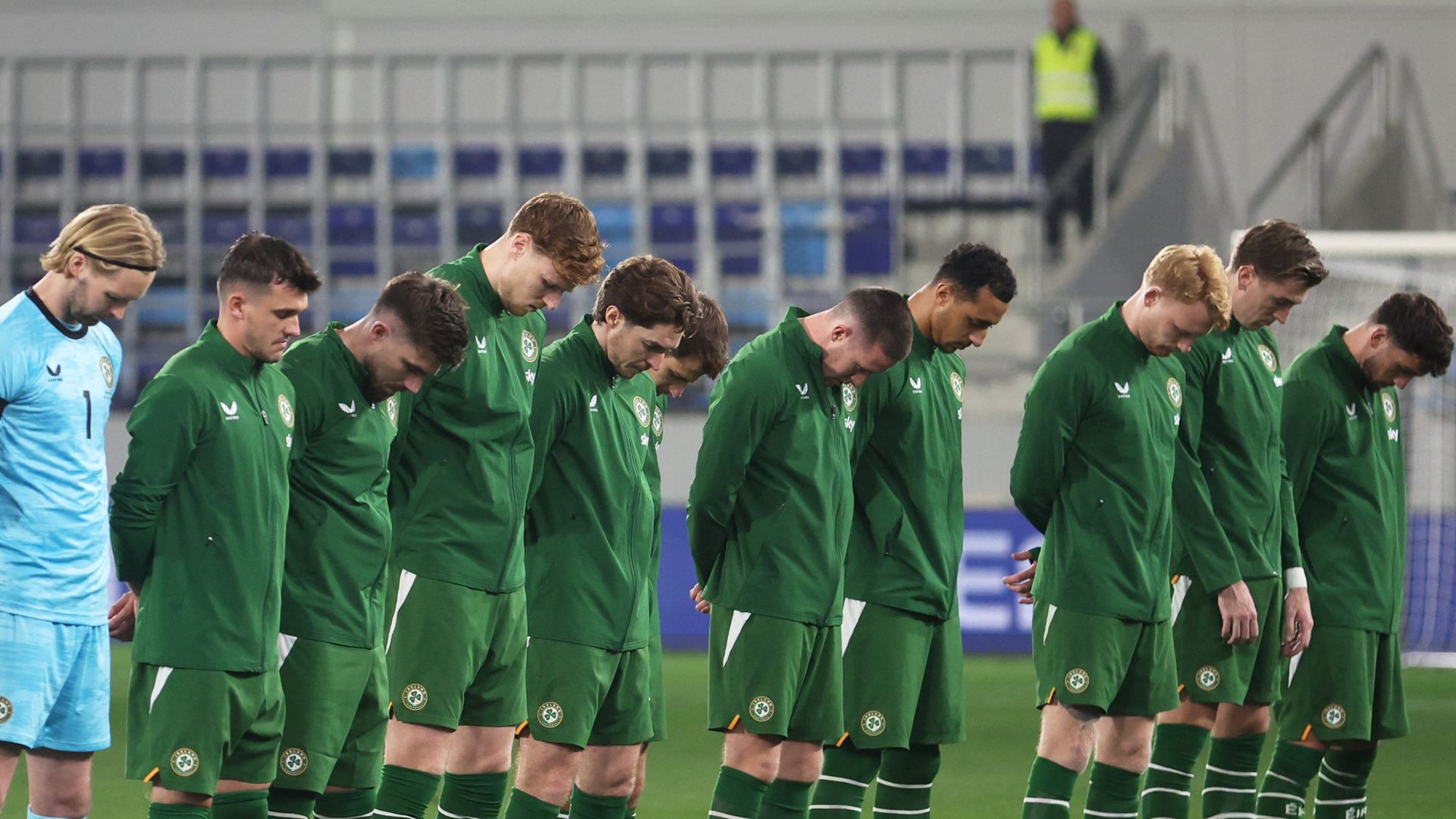
When you introduce high-stakes international politics into a sporting fixture, pretending the press box is a neutral Swiss chalet is a delusion. The Republic of Ireland versus Israel fixture was never just ninety minutes of football. Everyone in the stadium knew the subtext before the opening whistle. To act shocked when the aftermath spilled over into the media tunnel reveals a profound disconnect from reality.
If you invite geopolitical friction onto the pitch, you forfeit the right to muzzle the chroniclers of the event.
The traditional media landscape loves to wring its hands over access, but sports journalists share some of the blame here. For decades, the beat has operated on a system of polite compliance. Reporters trade soft questions for steady access, creating a symbiotic ecosystem where nobody wants to rock the boat too violently. Then, when a genuine flashpoint occurs, the system fractures instantly. The authorities panic, drop the iron curtain, and the compliant press corps suddenly acts outraged that the access they spent years trading away for handshakes has been revoked.
If we want sports journalism to matter, we have to stop treating press access as a privilege granted by benevolent kings. It is a fundamental operational necessity for accountability. When a governing body bans a specific contingent of reporters based on nationality or political association, they are not managing safety. They are practicing censorship under the stadium lights.
The counter-argument from risk-averse administrators is always predictability. They want the match report filed, the sponsor logos visible, and the controversy buried before the morning papers drop. But suppressing the dialogue guarantees that the story metastasizes. A denied interview request becomes a badge of martyrdom. A locked door becomes proof of a conspiracy.
Transparency is messy. It is loud, it is uncomfortable, and sometimes it makes everyone in the room wish they were doing literally anything else for a living. But the alternative—sanitized, curated silence enforced by panicked officials—is far more toxic to the integrity of the game.
Stop pretending that locking out reporters protects anyone. It only protects the people who are too weak to answer for the world they helped create.