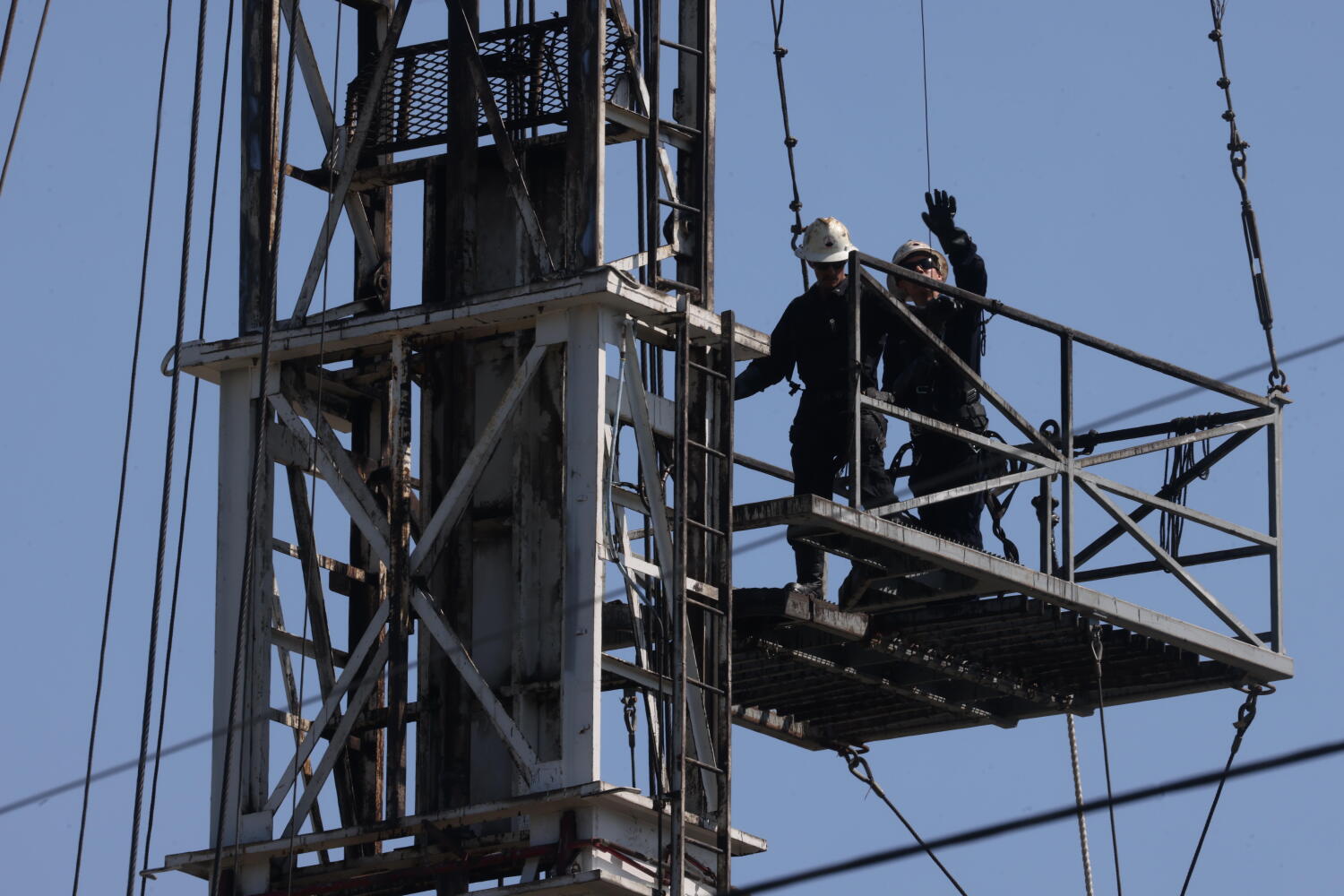
The ground beneath Los Angeles has always been a quiet partner to the city's growth, hiding vast reservoirs of crude that fueled the twentieth-century boom. Today, that underground wealth is a liability. In neighborhoods like Jefferson Park, the collision between historic urban extraction and modern municipal policy has reached a critical threshold. City leaders are moving toward the rare closure of an active oil site in this dense residential district, setting a precedent that could reverberate far beyond a single patch of asphalt.
Urban oil drilling in Los Angeles is an anomaly born of a different era. Wells were punched down before modern zoning laws caught up with the sprawl, leaving nodding donkeys and pumping facilities tucked mere feet from backyards, schools, and churches. For decades, residents lived with the low-frequency thrum of machinery and the faint, heavy smell of hydrocarbons. It was treated as the price of doing business in an oil town. If you enjoyed this piece, you might want to check out: this related article.
That calculus has shifted dramatically. Public health studies linking neighborhood drilling to elevated rates of respiratory illness have transformed extraction sites from industrial relics into active flashpoints. When municipal authorities weigh the shuttering of a facility in Jefferson Park, they are not merely addressing a localized zoning dispute. They are confronting a legacy of environmental injustice that disproportionately impacts working-class communities of color.
The mechanics of closing an active oil site are far more complex than simply turning a valve and locking a gate. Operators face stringent remediation mandates, plugging wells with cement to prevent underground leakage, removing contaminated soil, and securing long-term monitoring bonds. Each step is contested by corporate stakeholders who argue that premature shutdowns strip private property rights and disrupt local energy supplies, while community advocates push for faster timelines to reclaim the land for green space or affordable housing. For another angle on this story, refer to the recent coverage from TIME.
This tension exposes the broader fracture lines in municipal governance. California prides itself on aggressive climate targets and a transition away from fossil fuels, yet thousands of active wells continue to operate within city limits. The Jefferson Park proceeding serves as a test case for how aggressively the city is willing to enforce public health protections when faced with heavy industry pushback. If the city successfully forces the closure through amortization or nuisance abatement, other neighborhoods with active extraction sites will demand the same treatment.
The financial fallout extends to the city's bonding liabilities and potential litigation. Oil companies have deep pockets and a long history of challenging municipal overreach in court, arguing that regulatory takings require substantial compensation. City attorneys must navigate a labyrinth of state laws and local ordinances to ensure that any closure order stands up to intense legal scrutiny. A misstep in the administrative record could leave taxpayers on the hook for millions in legal fees or damages.
At the street level, the neighborhood perspective is intensely personal. Residents speak of chronic headaches, nosebleeds, and the constant hum of industrial operations that disrupt sleep and quality of life. For them, the closure is not an abstract policy debate about energy independence or global markets. It is about reclaiming the air outside their front doors and ensuring their children can play outside without smelling petroleum fumes.
As the municipal hearings continue and technical reports pile up, the outcome in Jefferson Park will dictate the rhythm of urban oil phase-out across the region. The era of invisible extraction in Los Angeles neighborhoods is drawing to a close, replaced by protracted legal battles and a fundamental reckoning over what urban land is actually for.