The upcoming Makerfield by-election on June 18 is not just a localized race to fill a vacant parliamentary seat. It is a high-stakes collision between two potent political forces: the profound electoral shifting of a working-class region toward Reform UK and the personal branding power of Labour candidate Andy Burnham. Triggered by the resignation of sitting Labour MP Josh Simons, the contest presents voters with an array of candidates, yet the true battle lies between Burnham and Reform UK’s Robert Kenyon. Early polling shows Burnham holding a slender lead at 43 percent to Kenyon’s 40 percent, an advantage built entirely on Burnham's personal appeal rather than party loyalty.
The contest serves as a direct test of whether a prominent political figure can suppress the populist wave that recently swept through the local council elections.
The Structural Realities of a Red Wall Fortress
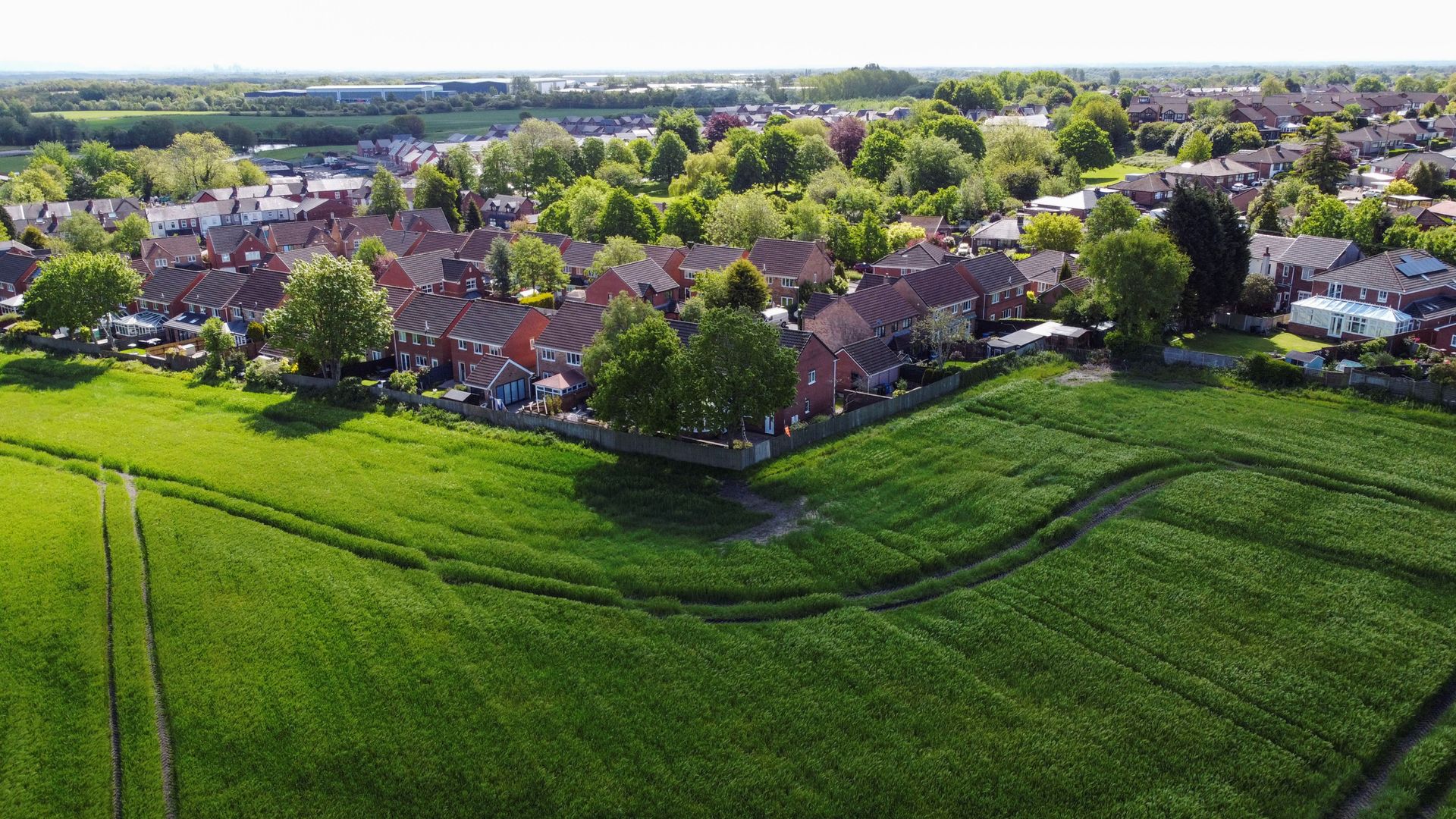
For over four decades, Makerfield stood as an uninterrupted Labour stronghold. Created in 1983, the seat covers a collection of industrial and residential suburbs south of Wigan and west of Leigh. It is defined by high home ownership, skilled industrial backgrounds, and historically deep ties to trade unions. Yet, underneath the surface, the foundations have been decaying for years.
During the local elections on May 7, the traditional allegiance fractured entirely. Reform UK won every single one of the eight local council wards contained within the Makerfield parliamentary boundary. Across those wards, Reform UK took an aggregate 49.8 percent of the vote compared to Labour's 26.9 percent. In an ordinary legislative race, that would translate to a comfortable 23-point margin for the insurgent party.
The drop in generic Labour support reflects a broader dissatisfaction with Westminster politics that national parties frequently misread. The constituency has moved rapidly from a Labour-Conservative battleground in 2019 to a clear Labour-Reform marginal.
The Candidate Slate and the Core Contenders
Voters will choose from a wide field of candidates on polling day, but the narrative has focused on the top two options.
Andy Burnham (Labour and Co-operative Party)
The Greater Manchester Mayor is attempting a high-profile return to Westminster. After being blocked by Labour’s National Executive Committee from a previous by-election in Gorton and Denton, Burnham secured the nomination here following Simons' resignation. Burnham is running on a platform advocating for structural changes within the country and his own party, aiming to bring public utilities back under state control. He carries substantial personal popularity, but he must decouple his identity from the national party brand to win over voters who rejected local Labour councillors just weeks ago.
Robert Kenyon (Reform UK)
A self-employed plumber and gas engineer born in the constituency, Kenyon offers a stark contrast to Burnham's career politician profile. Kenyon finished second in the 2024 general election with 31.8 percent of the vote. He was recently elected as a local councillor for the Bryn with Ashton-in-Makerfield North ward during Reform's local sweep. His campaign focuses heavily on local roots, betting that his profile as a working tradesman will resonate more with the constituency's demographic than a regional mayor.
The Remaining Field
The other political parties are fighting for relevance in what has become a hyper-polarized environment:
- Michael Winstanley (Conservative): A former Mayor of Wigan, Winstanley faces a steep climb. The Conservative vote collapsed to 10.9 percent in 2024 and plummeted further to just 7.4 percent in the May local elections. Polling positions him at 2 percent.
- Rebecca Shepherd (Restore Britain): Standing for the newly formed party backed by Rupert Lowe, Shepherd is a local businesswoman trying to carve out space on the right. She currently registers at 7 percent in the polls.
- Sarah Wakefield (Green Party): A Manchester City Council member, Wakefield took over the candidacy after the initial Green selection, Chris Kennedy, withdrew within hours of nomination. She polls at 3 percent.
- Jake Austin (Liberal Democrats): Registering at 4 percent, Austin is competing in a seat where the liberal center has historically struggled to gain traction.
The ballot also features independent candidates John Dyer, Paul Gould, and Robert Pownall, alongside Dan Clarke (Libertarian), Peter Ward (Rejoin EU), Ed Gemmell (Climate), and perennial fringe figures from the Official Monster Raving Loony Party and the Count Binface Party.
The Personal Vote versus the Party Brand
The divergence between how people intend to vote when names are attached versus a generic ballot highlights the unusual dynamics of this race. Survation’s polling data reveals an eleven-point lead for Reform UK when voters are asked about a generic Westminster election. That lead flips to a three-point advantage for Labour when Andy Burnham’s name is specifically introduced.
This eight-point "Burnham premium" is the only barrier keeping Makerfield from flipping to Reform. The data splits heavily along gender and age lines. Burnham holds a commanding 21-point lead among women, while Kenyon leads by 15 points among men. Similarly, Reform holds a ten-point advantage among voters aged 35 to 54, while Burnham leads among the youngest cohorts and maintains a narrow edge among retirees.
The outcome depends entirely on turnout and tactical calculation. In Orrell, the single ward where the Conservative vote remains viable at nearly 20 percent, anti-Reform voters face a choice of whether to consolidate behind Burnham. Meanwhile, the minor parties on the right, like Restore Britain, risk diluting Kenyon's push if their margins expand beyond current polling.
By-elections are notoriously fickle, driven by low turnout and protest motivations. For Labour, losing a seat held since 1983 would be a devastating blow to national momentum. For Reform UK, defeating one of the most recognizable figures in British municipal politics would signal that no post-industrial seat remains safe. The campaign has moved beyond a simple selection process into a referendum on political identity.