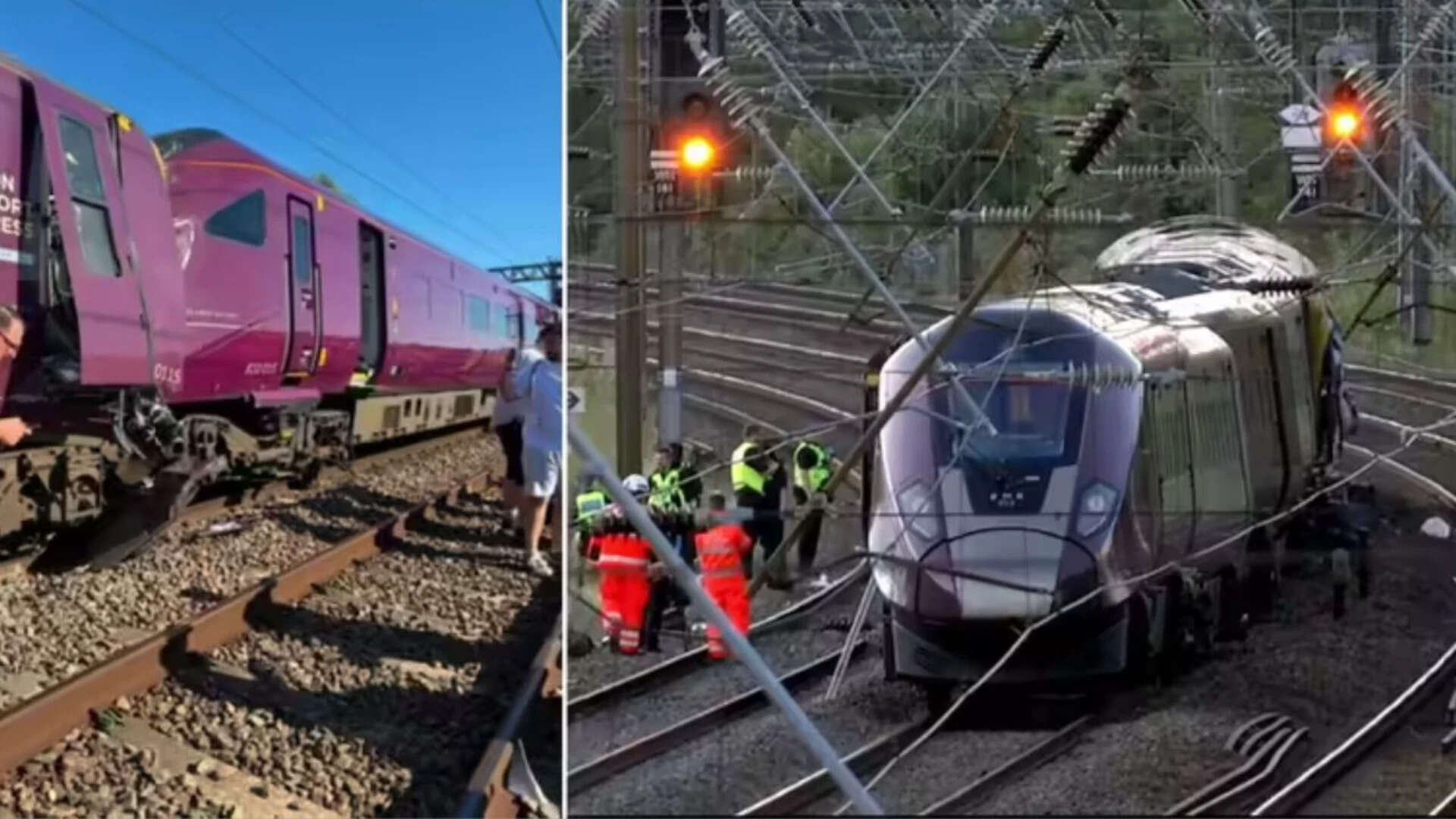
A major collision near Bedford has left nine passengers in critical condition and hospitalised 28 others, raising urgent questions about the reliability of Britain's rail signalling and safety systems. The accident occurred when two passenger trains collided on a heavily trafficked stretch of track north of London, triggering a massive emergency response. Investigators are currently focused on whether a signal failure or human error allowed both units onto the same block of line. While rail operators scramble to offer explanations, the incident points toward a much larger, systemic vulnerability within the UK rail network that industry insiders have warned about for years.
The collision underscores a harsh reality for commuters. Despite billions of pounds poured into modernizing the rail network, older corridors remain vulnerable to catastrophic failure. In related developments, we also covered: The Voices Beneath the Mountains.
The Mechanics of the Failure
To understand how two modern passenger trains end up on a collision course, one must look at how train separation is maintained. The British rail network relies on a mix of legacy track circuits and newer digital systems to prevent two trains from occupying the same sector of track simultaneously.
When a train enters a section of track, its metal wheels and axles short-circuit a low-voltage electrical current running through the rails. This drops a relay, which automatically turns the signal behind the train to red. Al Jazeera has analyzed this fascinating topic in great detail.
System failures occur when these track circuits fail to detect a train, a phenomenon known in the industry as "wrong-side failures." This can happen due to leaf residue on the tracks, rust, or underlying electrical faults. If a signal mistakenly displays a green aspect to a following train when the line ahead is occupied, a high-speed collision becomes almost inevitable.
Investigators from the Rail Accident Investigation Branch (RAIB) are currently examining the data recorders from both trains. They need to establish whether the signalling system gave conflicting commands, or if a driver passed a signal at danger (SPAD).
The data recorders log every driver input, brake application, and signal aspect encountered. This analysis will take weeks. However, early indications suggest that technical anomalies in the local signalling control area were reported just hours before the crash occurred.
The Cost of Deferred Maintenance
Decades of fragmented management have left the UK rail network with a patchwork of infrastructure. Some lines feature digital safety systems, while adjacent routes rely on technology dating back to the mid-twentieth century.
Network Rail has consistently faced tight budget constraints, forcing managers to prioritize repairs rather than full system overhauls. This strategy keeps trains moving in the short term but creates latent risks that compound over time.
- Ageing interlocking systems: Many junctions still rely on mechanical or early electronic interlocking units that are increasingly difficult to source parts for.
- Staffing shortages: A lack of qualified signal technicians means preventive maintenance schedules are frequently pushed back.
- Overcrowded timetables: Running more trains closer together reduces the margin for error when a component does fail.
The pressure to maintain high-frequency timetables often clashes with safety-first protocols. When a track circuit shows an intermittent fault, controllers are faced with a difficult choice. They can shut down the line, causing massive economic disruption, or instruct drivers to proceed with caution through the affected zone. The latter relies heavily on human vigilance, which is never infallible.
The Limits of Automatic Protection Systems
Britain's trains are equipped with safety systems designed to override human error, yet these systems have known limitations. The Train Protection and Warning System (TPWS) is standard across the network. It applies emergency brakes if a train approaches a red signal too fast or passes it.
TPWS is not a silver bullet. It is an overlay system designed to mitigate accidents, not prevent them entirely in every scenario. If a train is travelling at high speed, the physical distance required to bring it to a halt can exceed the safety overrun distance provided at the signal.
A more advanced solution exists in the European Rail Traffic Management System (ERTMS), which continuously transmits speed limits and track status directly to a display inside the driver's cab. This eliminates the need for lineside signals altogether and automatically prevents a train from exceeding safe parameters.
The rollout of this digital cab-signalling system across the UK has been painfully slow. It requires retrofitting thousands of older trains and installing expensive trackside transmitters. At the current rate of installation, it will be decades before the entire network is covered, leaving passengers reliant on older systems that are vulnerable to environmental interference and component degradation.
The Human Factor Under Systemic Strain
When a rail disaster occurs, public attention naturally fixes on the actions of the driver. Did they miss a signal? Were they distracted?
This focus on individual blame often obscures the systemic pressures that lead to human error. Train drivers operate under intense pressure to maintain punctuality metrics that dictate corporate bonuses and franchise penalties.
Driving a train requires intense, sustained concentration, especially during night shifts or during poor weather conditions when visibility is compromised. Rail union representatives have frequently raised concerns about driver fatigue, scheduling practices, and the psychological impact of operating trains through areas with known infrastructure defects.
If an infrastructure manager expects a driver to navigate a faulty signal section using verbal instructions over a radio, the system has already degraded. It has shifted the burden of safety entirely from automated engineering controls to human memory and perception.
Immediate Steps for Network Safety
The immediate aftermath of the Bedford collision demands more than corporate apologies and promises of a thorough investigation. Passenger trust has been shaken, and immediate operational changes are required to ensure a similar incident does not occur on another part of the network tomorrow.
Network Rail must immediately audit all signalling infrastructure of a similar vintage to the system near Bedford. Any junctions showing a history of intermittent faults must be placed under strict speed restrictions, regardless of the delays this causes to commuter timetables.
The government must re-evaluate its funding model for rail infrastructure, shifting the focus from high-profile high-speed rail projects to the less glamorous task of replacing old relays, cables, and track circuits on regional lines.
Until the underlying technology that governs train separation is modernized nationwide, the risk of another catastrophic failure remains an inherent flaw in the daily commute of millions. Punctuality cannot be bought at the expense of structural safety margins.