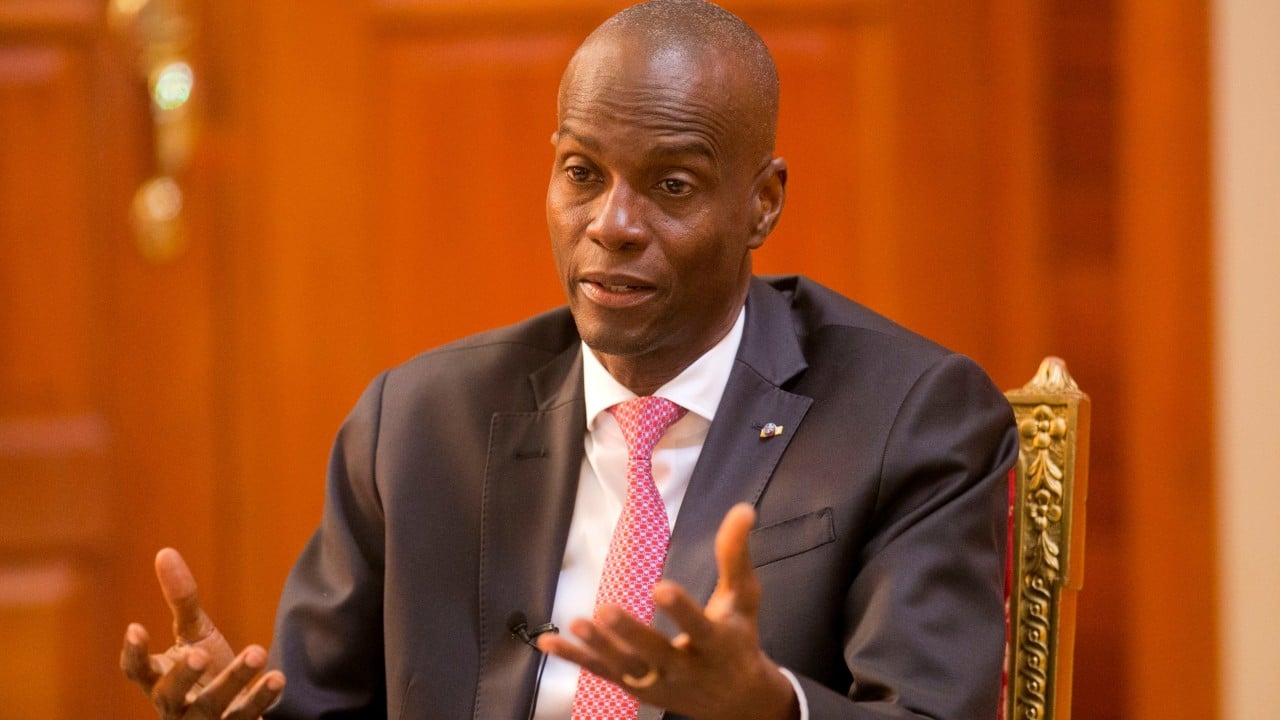
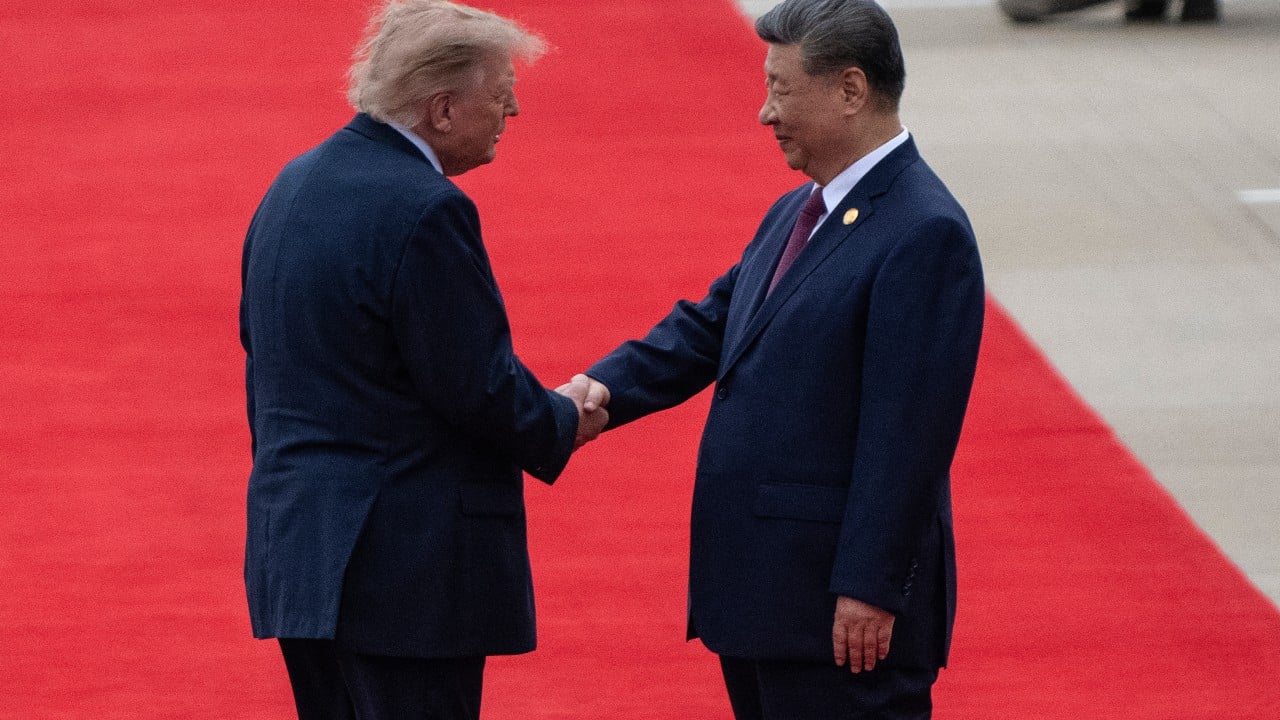
Mainstream foreign policy coverage loves a simple binary. Two leaders shake hands under the banner of the Asia-Pacific Economic Cooperation forum, issue a joint statement condemning unilateral sanctions, and suddenly every pundit in Washington and Brussels is hyperventilating about an unbreakable Eurasian axis.
That reading is lazy. It mistakes stagecraft for structural integration.
When commentators claim that "Beijing and Moscow present a united front at APEC," they are reading the press release instead of the balance sheet. Having spent two decades tracking cross-border capital flows, sovereign debt structures, and commodity clearing houses across East Asia, I have watched institutional investors lose fortunes betting on geopolitical headlines that evaporate the moment you look at trade settlement data.
The reality behind the photo-ops is far more fractured, transactional, and asymmetric than the standard narrative admits.
The Myth of the Equal Partnership
To understand what actually happens when Chinese and Russian delegations coordinate at APEC, you first have to strip away the Cold War vocabulary that dominates Western commentary. Analysts frequently treat the Sino-Russian relationship as a modern reprise of the 1950 Sino-Soviet Treaty of Friendship.
According to assessments from the Carnegie Endowment for International Peace and the Center for Strategic and International Studies (CSIS), the current alignment is not a formal military alliance, nor is it an ideological bloc. It is an asymmetrical partnership of convenience driven by shared opposition to U.S.-led financial and security architecture.
Look at the economic weight each side brings to the APEC table:
- Gross Domestic Product: China’s economy is roughly nine times the size of Russia’s.
- Trade Leverage: According to data from China's General Administration of Customs, bilateral trade crossed $240 billion in 2023 and continued climbing, yet Russia accounts for less than 4% of China’s total foreign trade. Conversely, China accounts for over 30% of Russia’s total trade volume.
- Technology Transfer: Russia exports raw hydrocarbons, agricultural goods, and metals. China exports machine tools, semiconductors, vehicles, and consumer electronics.
In supply chain economics, that is not a united front of peers. That is a classic core-periphery dependency. Moscow needs Beijing to survive Western export controls; Beijing views Moscow as a discounted commodities supplier and a useful geopolitical buffer on its northern border.
Why APEC Actually Exposes Their Friction
APEC is not a security pact. It is a consensus-based forum of 21 Pacific Rim economies built around trade liberalization, supply chain connectivity, and regulatory harmonization. Its very structure highlights where Chinese and Russian interests diverge.
China’s entire economic model relies on deep integration with APEC’s wealthiest members—specifically the United States, Japan, South Korea, Australia, and the ASEAN bloc. While Beijing uses APEC sidelines to push back against U.S. export controls and friend-shoring initiatives, its primary objective is keeping Western and Asian markets open to Chinese manufacturing overcapacity.
Russia, by contrast, is largely decoupled from the G7 economies inside APEC. Moscow’s goal at the summit is disruption and diplomatic normalization—proving it is not isolated and rallying Global South members against Western sanctions.
Watch what happens when those two agendas collide behind closed doors:
- Sanctions Compliance Over Solidarity: Despite loud rhetoric condemning unilateral sanctions at APEC ministerial meetings, China’s largest state-owned banks—including ICBC, China Construction Bank, and Bank of China—have repeatedly restricted or halted yuan-denominated settlements with sanctioned Russian entities. According to reporting by Reuters and financial compliance analysts, Chinese financial institutions refuse to risk secondary sanctions from the U.S. Treasury Department because losing access to dollar clearing would instantly cripple China’s export sector.
- Central Asian Competition: Both nations court the same resource-rich states along the Eurasian land bridge. Beijing’s Belt and Road Initiative has steadily displaced Russian economic influence in Kazakhstan and Uzbekistan, turning Moscow’s traditional backyard into a Chinese commercial sphere.
- Arctic and Pacific Access: Russia has historically guarded its Far East and Northern Sea Route against foreign dominance. While Western sanctions forced Moscow to accept Chinese investment in Arctic liquefied natural gas projects, Russian security officials remain deeply wary of long-term Chinese demographic and economic encroachment in Siberia.
What People Get Wrong About De-Dollarization at APEC
A recurring talking point whenever Beijing and Moscow meet at multilateral summits is that they are actively engineering the immediate collapse of the U.S. dollar's reserve status.
This misunderstands how global currency plumbing works.
Yes, over 90% of bilateral trade between China and Russia is now settled in rubles and yuan, according to statements from both governments. That is a massive shift from a decade ago, when the dollar dominated their transactions. However, settling bilateral commodity trade in local currencies is not the same thing as creating a viable alternative global reserve currency.
The Russian ruble is non-convertible and volatile, making it useless to third-party APEC economies like Vietnam, Chile, or Indonesia. The Chinese yuan, while increasingly used in cross-border trade, remains tightly constrained by Beijing’s strict capital controls. Unless the People’s Bank of China allows the yuan to float freely and opens its capital account—a move that would threaten the Chinese Communist Party’s control over domestic banking and state-owned enterprises—the yuan cannot replace the dollar as a global store of value.
Even at APEC, where Beijing promotes the Cross-Border Interbank Payment System (CIPS), the majority of CIPS transactions still rely on SWIFT messaging under the hood. Financial sovereignty makes for great summit speeches, but capital controls remain the hard ceiling on Sino-Russian monetary ambitions.
The Real Play at the Summit
If Beijing and Moscow are not building an economic super-bloc, why do they stage such coordinated optics at APEC?
Because optics serve domestic and diplomatic utility for both capitals, even when their underlying strategies diverge.
For Vladimir Putin, standing alongside Xi Jinping at an Asia-Pacific forum punctures the Western narrative of total diplomatic pariah status. It signals to domestic audiences and non-aligned nations in Southeast Asia and Latin America that Russia remains a central player in Pacific affairs.
For Xi Jinping, visible alignment with Moscow serves as strategic leverage against Washington. By demonstrating that China has a nuclear-armed partner willing to absorb Western pressure, Beijing attempts to raise the perceived cost of U.S. containment policies. At the same time, Beijing carefully calibrates its distance so it can still pitch itself to Southeast Asian and Latin American APEC members as the stabilizing adult in the room—a defender of free trade and globalization in contrast to American protectionism.
The Blind Spot in Contrarian Analysis
To be clear, dismissing the Sino-Russian alignment as pure theater carries its own severe analytical risk. Skeptics who focus exclusively on economic friction often underestimate how shared threat perceptions override commercial logic.
History shows that powers do not need trust or economic parity to coordinate effectively against a common rival. During the Second World War, the United States and the Soviet Union maintained a decisive strategic partnership despite fundamental ideological hostility and deep mutual suspicion.
Today, both Beijing and Moscow view the U.S. alliance network in the Indo-Pacific—including AUKUS, the Quad, and strengthened U.S.-Japan-South Korea trilateral defense ties—as an existential constraint on their regional ambitions. As long as Washington remains their primary strategic adversary, Moscow and Beijing will continue to share military technology, conduct joint naval and air patrols in the Sea of Japan and Bering Sea, and provide each other diplomatic cover at forums like APEC.
Economic friction slows their integration, but shared geopolitical resentment keeps their partnership durable.
How Analysts and Decision-Makers Should Read APEC Summits
Stop watching the podiums and start tracking the friction points. If you want an accurate read on where the Beijing-Moscow relationship is actually heading during multilateral summits, use a stricter filter:
- Track bank settlement delays, not joint communiqués. The true temperature of the relationship is measured in how many days it takes a Russian importer to clear a yuan payment through a tier-one Chinese bank.
- Watch Southeast Asian voting patterns. Beijing’s real priority at APEC is winning over ASEAN economies. Whenever Russian belligerence threatens Chinese trade deals with Malaysia, Indonesia, or Thailand, Beijing quietly sidelines Moscow’s talking points.
- Separate energy volume from energy pricing. China buys record volumes of Russian pipeline gas and crude oil, but it does so at steep discounts and delays infrastructure commitments like the Power of Siberia 2 pipeline until Moscow concedes on price and transit terms.
The next time a headline declares that Beijing and Moscow have forged an unbreakable united front at APEC, look past the handshake. One side is looking for a lifeline; the other is negotiating a discount.