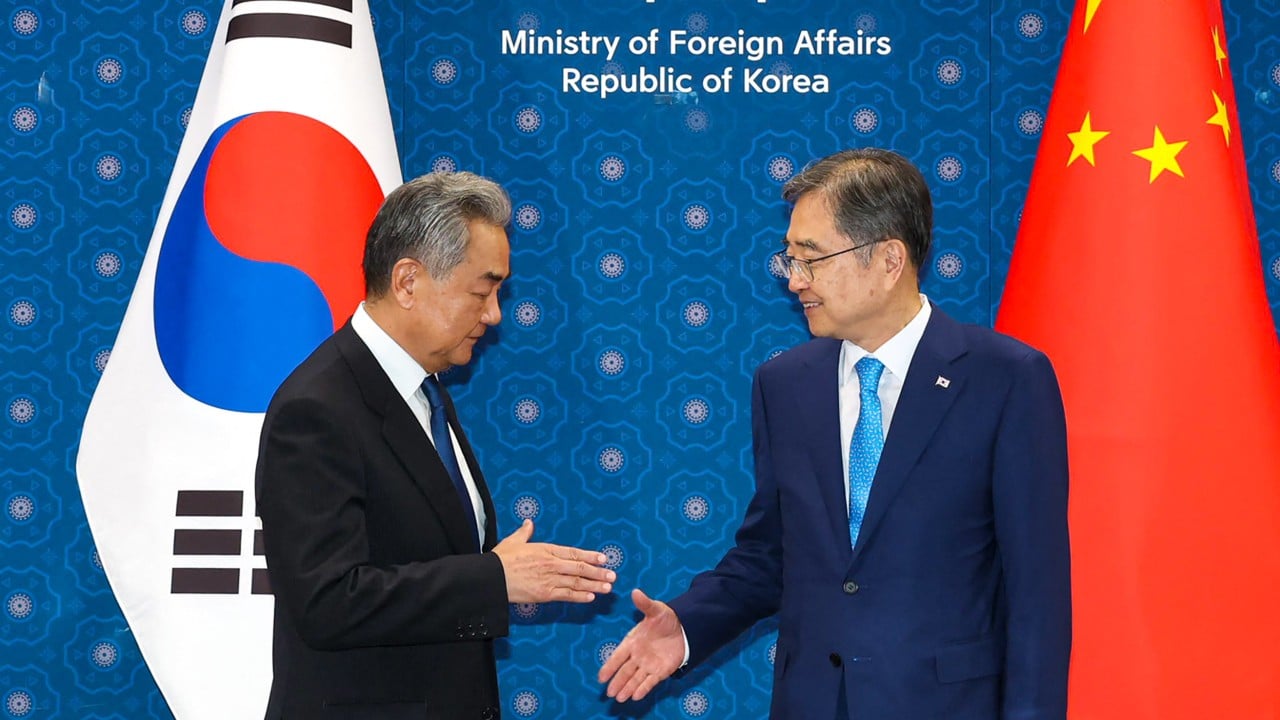
Foreign policy rarely shifts because someone asks nicely. Yet Beijing keeps pushing Washington to rethink its playbook on the Korean Peninsula, arguing that decades of pressure haven't worked.
If you look past the standard diplomatic statements, a bigger geopolitical friction is playing out. Wang Yi made it clear during high-level talks that Washington needs to drop its hostile stance toward Pyongyang if things are ever going to calm down. But will anyone in Washington actually listen? Probably not. Both sides are completely dug into their corners, leaving regional stability hanging by a thread.
The Core Disconnect
Washington basically views North Korea through a single lens: total denuclearization or bust. Every strategy revolves around tightening sanctions, staging joint military drills with Seoul, and isolating the regime.
Beijing sees things entirely differently. From their perspective, the endless cycle of pressure only forces Pyongyang to double down on missile tests and military readiness.
- Sanctions fatigue: Years of heavy economic restrictions haven't stopped weapons development.
- Security concerns: North Korea feels genuinely threatened by allied military exercises on its doorstep.
- The missing incentive: Pyongyang gets zero rewards for pausing provocations, so they just keep launching them.
What Nobody Wants to Admit
Diplomacy on the peninsula is basically broken. Washington insists that North Korea must take the first step toward giving up its nuclear arsenal before any relief arrives. Meanwhile, Pyongyang demands security guarantees and sanctions relief upfront.
It is a classic standoff. Neither side wants to blink first. Wang Yi's recent push isn't just about defending an ally. It is a calculated argument that security is a two-way street. If Washington refuses to change its tune, the current stalemate will only get worse, dragging regional powers into an even tighter security trap.
You cannot expect a breakthrough while demanding total capitulation from a regime that views its nuclear program as its only insurance policy against regime change. Until policymakers in Washington realize that unconditional dialogue has to precede disarmament rather than follow it, nothing will change.
Stop expecting a miraculous diplomatic pivot anytime soon. The current posture satisfies domestic politics in the short term, but it guarantees absolute failure in the long run.