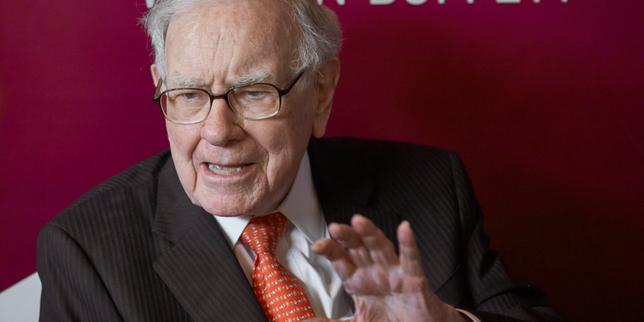
The Oracle of Omaha didn't hand the keys to his biological son, and that distinction changes everything about how Berkshire Hathaway operates today. When Warren Buffett stepped down from the CEO post, handing over the reins of a financial empire valued well past one trillion dollars, market watchers spent weeks dissecting the wrong things. They worried about the end of an era, missing the structural reality of how modern corporate succession actually functions at this scale.
Howard Buffett sits on the board and preserves the foundational values, but operational control of the multi-trillion-dollar machine went to Greg Abel. If you think this transition is just about replacing one old-school value investor with another, you're missing the operational shift already reshaping the portfolio.
Breaking Down the One-Trillion-Dollar Handover
Let's look at the actual mechanics. Berkshire Hathaway isn't a traditional tech startup where a founder's kid takes over the garage. It's a sprawling conglomorate of railroads, insurance companies, energy providers, and massive equity stakes.
When Abel took over the chief executive seat, Wall Street expected a carbon copy of Buffett's passive oversight. Instead, we've seen rapid adjustments in capital allocation. Abel isn't waiting around for decades-old patterns to dictate every move. He's managing a cash mountain that routinely tests traditional patience, making targeted multi-billion-dollar bets and reshaping how subsidiaries report back to headquarters.
The real story isn't about drama in Nebraska. It's about continuity meeting modern capital efficiency.
Why the Portfolio Concentration Matters
Abel's approach to the equity portfolio reveals a distinct management philosophy. Look closely at Berkshire's holdings: a massive chunk of their massive public stock portfolio remains heavily anchored in proven winners like Apple and American Express.
The new leadership isn't tearing up the playbook, but they are pruning where valuations look stretched, balancing caution with a willingness to write massive checks when market dislocations appear. Abel understands that compounding wealth over decades requires holding extraordinary businesses, yet he's less sentimental about legacy positions that no longer fit the growth profile.
What Smart Investors Miss About Conglomerate Succession
Most retail investors assume a legendary CEO leaves behind shoes that nobody can fill, creating an inevitable downward spiral. That logic ignores institutional momentum. Berkshire was built to survive its founders.
- Decentralized autonomy: Subsidiary managers still run their day-to-day operations with virtually zero interference from Omaha.
- The float advantage: The massive insurance float provides a permanent source of cheap capital that doesn't rely on market sentiment.
- Pragmatic leadership: Abel earned his stripes running Berkshire Hathaway Energy, proving he understands heavy industrial assets just as well as paper assets.
You don't need a clone of Warren Buffett to keep a compounding machine running. You need someone who respects the math, protects the balance sheet, and isn't afraid to execute when the right pitch comes down the middle. Berkshire entered its post-Buffett era stronger on paper than at any point in its history. Keep your eyes on capital deployment speed rather than nostalgic comparisons, because the new era of American investing is already underway.
This video from search results provides a visual overview and discussion surrounding Warren Buffett stepping down and the massive scale of the Berkshire Hathaway financial empire.


