Cable News Is Not Journalism—It Is Pure Theater
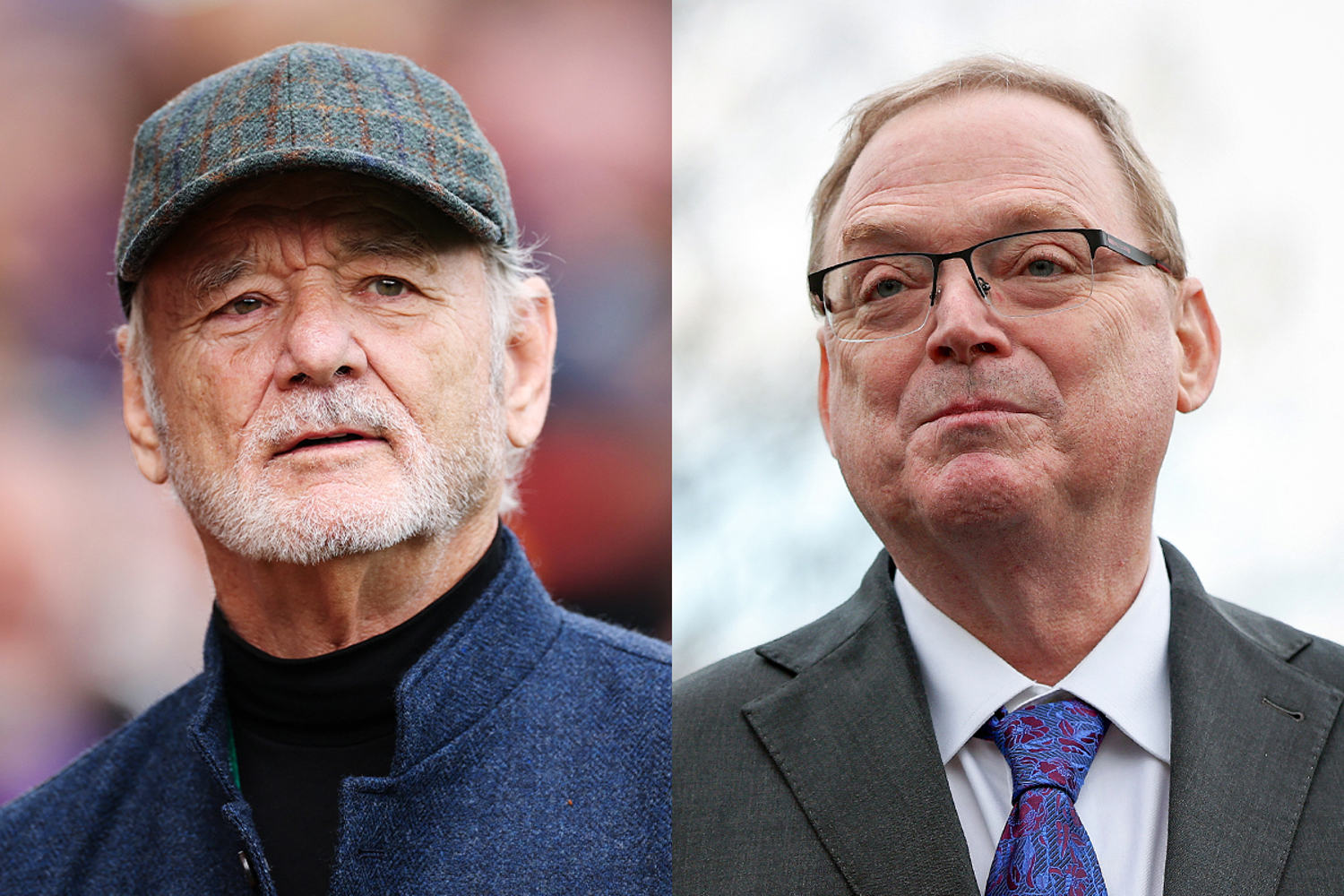
The Internet went crazy when Hollywood icon Bill Murray hijacked a live broadcast of CNBC’s Squawk Box. Facing Kevin Hassett—a top economic adviser—Murray looked directly at the bureaucrat and demanded a bizarre favor: "Could you just say the words, 'My dog just died'? I want to see what happens to your smile."
Hassett obliged. He flattened his face, muttered "My dog just died," and then immediately slid right back into his polished, media-trained grin. Don't forget to check out our recent article on this related article.
Mainstream media reported this exchange as a quirky viral moment. Social feeds treated it like a lighthearted comedy sketch. They completely missed the real story.
What Bill Murray did in three seconds was violently pull back the curtain on the entire financial media ecosystem. To read more about the background of this, E! News provides an in-depth breakdown.
For decades, financial television has relied on a unspoken contract: political surrogates pretend to care deeply about fiscal statistics, while news anchors pretend to press them for truth. The entire construct hinges on synthetic emotional cues—the persistent, sociopathic grin of an adviser delivering grim inflation data, or the rehearsed concern of a anchor reading stock drops off a teleprompter.
Murray did not interrupt a news show; he interrupted a performance. By forcing an expert to artificially mimic human grief on live television, he exposed the fact that the emotions on your screen are entirely manufactured.
The Illusion of Financial Authority
Look past the surface humor. Consider what actually happens during high-stakes financial broadcasts.
Every single morning, networks invite official spokespeople, hedge fund strategists, and administration economists to brief the public on the state of the economy. These experts present precise metrics, projected growth models, and comforting reassurances. Yet, history tells us that these forecasts frequently prove completely wrong.
| Financial Era | Official Narrative | Underlying Reality |
|---|---|---|
| 2007 (Pre-GFC) | "Subprime is contained." | Systemic balance sheet collapse across investment banking. |
| 2021 (Post-Pandemic) | "Inflation is strictly transitory." | Multi-decade high price spikes requiring aggressive rate hikes. |
| 2023 (Regional Banks) | "The banking system is sound and resilient." | Multiple rapid bank failures requiring emergency Fed bailouts. |
The constant factor across every crisis is not accuracy—it is optics.
When an economic adviser steps onto a news set, their primary mandate is not economic analysis; it is emotional regulation of the market. They are deployed to project unyielding confidence regardless of macroeconomic reality.
When Murray pointed out Hassett’s permanent smile, he hit directly at this core mandate. An official discussing complex economic friction while beaming like a game show host reveals a complete detachment from reality. The smile is not warmth; it is armor. It is a psychological tool designed to project stability when the numbers behind them suggest otherwise.
Why Celebrity Hijackings Reveal Systemic Flaws
Media critics love to complain about celebrities weighing in on serious topics like economics or policy. The lazy narrative argues that actors should stick to scripts and leave hard data to professionals.
This critique gets the dynamic backwards.
The professional analyst is bound by career incentives. If a financial host pushes too hard, they lose guest access. If an economic adviser admits panic, they trigger a market selloff or lose their political appointment. Everyone inside the studio operates under structural conflicts of interest.
Enter the outsider.
A figure like Bill Murray operates entirely outside the incentive structure of financial media. He does not need a political appointment, he does not manage a hedge fund, and he does not care about maintaining access to network producers.
[Incentive Grid]
+----------------------+--------------------------+-----------------------+
| Media Participant    | Primary Objective        | Structural Constraint |
+----------------------+--------------------------+-----------------------+
| Network Anchor       | Maintain Viewer Ratings  | Needs Guest Access    |
| Economic Adviser     | Manage Public Perception | Party Loyalty         |
| Independent Observer | Dispel Pretense          | None                  |
+----------------------+--------------------------+-----------------------+
Because he has zero skin in the institutional game, the outsider can ask the absurdly simple question that exposes the entire dynamic: Why are you smiling right now?
The Death of Public Trust in Expert Media
The viral reaction to Murray’s stunt was not driven by comedy fans celebrating a Groundhog Day reference. It resonated because it mirrored the deep skepticism viewers feel toward institutional media.
Over the last decade, public trust in legacy institutions has steadily eroded. Audiences are no longer passive consumers of expert commentary. They recognize the scripted nature of media appearances. They spot the pivot techniques, the talking points, and the manufactured facial expressions before the guest even finishes a sentence.
When network broadcasts treat serious economic volatility with canned smiles and hollow soundbites, they alienate the very audience they are trying to inform.
By demanding that an official say "My dog just died," Murray forced a momentary lapse in the script. For three seconds, the artificial persona cracked. The smile dropped, the tone shifted, and the audience saw the human actor behind the official title.
That brief pause was more real than hours of pre-packaged market commentary.
The Uncomfortable Reality of Financial Telecommunications
The tragedy of modern media is that the theatrical version of economics sells far better than the real one.
Real economic analysis is messy, dry, and full of uncertainty. It consists of balance sheet revisions, complex supply chain friction, and probabilistic models that rarely fit neatly into a three-minute cable segment.
Television demands simplicity, certainty, and charm. It demands experts who can explain away severe economic strain while maintaining flawless posture and an unbroken smile.
Until viewers demand substance over performance, network TV will remain a stage play. Bill Murray did not ruin a news segment; he simply pointed out that the actors were wearing masks.
Stop taking the performance seriously. Turn off the television smiles, ignore the manufactured optimism, and look at the actual balance sheets.
The video below highlights how this bizarre TV exchange unspooled in real time.
This footage captures the exact moment the media filter broke live on air.
Bill Murray challenges Kevin Hassett's smile on CNBC
This clip shows the unscripted exchange where Murray disrupts standard broadcast protocol to test the adviser's reaction.