The Royal Society for the Protection of Birds (RSPB) wants you to take down your bird feeders this summer. They’re worried about Trichomonosis. They’re worried about Salmonellosis. They’re worried that your plastic tube of sunflower hearts is a petri dish for avian extinction.
They are wrong. You might also find this connected coverage interesting: Your Floorboard Fortune Is Actually A Tax And Legal Nightmare.
This "precautionary principle" is the death rattle of modern conservation. It’s a lazy, one-size-fits-all directive that ignores the brutal reality of the 21st-century ecosystem. While the bureaucrats tell you to lock away the seed, the birds are facing a far more lethal threat: a total collapse of natural caloric availability.
You aren't just "feeding birds." You are running a life-support system for a biological infrastructure that the modern world has already dismantled. Shutting it down in July because of a few dirty trays isn't science—it’s an abdication of responsibility. As extensively documented in detailed coverage by Vogue, the implications are significant.
The Calorie Deficit Myth
The standard argument for removing feeders in summer is that birds should be eating "natural" food. It’s a romantic, pastoral fantasy. It imagines a world of lush hedgerows, exploding insect populations, and wildflower meadows stretching to the horizon.
Look out your window. You see asphalt. You see chemically treated "monoculture" lawns. You see ornamental shrubs that offer zero nutritional value to a hungry Blue Tit.
The "natural" food isn't there.
Data from the BTO (British Trust for Ornithology) consistently shows that garden birds have adapted their breeding cycles and survival strategies around supplementary feeding. For many species, the "June Gap"—the period after spring blooms fade but before autumn berries arrive—is a nutritional wasteland. Telling people to remove feeders during this window is effectively sentencing the weakest of the year's first brood to starvation.
If you want to talk about disease, let's talk about the ultimate underlying condition: Malnutrition. A bird with a full crop and a high metabolic rate has a functioning immune system. A bird scratching at a scorched, pesticide-laden lawn for non-existent beetles is a walking target for every parasite in the soil.
The Hygiene Theater of Modern Gardening
The RSPB isn't wrong that feeders can spread disease. They are wrong about the solution.
Taking the feeder down is the "abstinence-only" education of the bird world. It’s a failure of management. If your kitchen was dirty, would you stop eating forever? No, you’d scrub the counters.
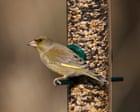
The problem isn't the presence of the feeder; it's the design of the feeder and the incompetence of the owner. Most commercial bird feeders are poorly ventilated, impossible to deep-clean, and designed for aesthetics rather than avian health.
The Pathology of a Plastic Tube
Consider the physics of a standard tube feeder.
- Moisture Traps: Rain enters the ports, settles at the bottom, and creates a warm, anaerobic environment.
- Biofilm Accumulation: Saliva and dander build up on the plastic.
- Fecal Contamination: Birds sit above one another, dropping waste directly onto the feeding ports below.
Instead of the "take it down" mantra, we should be demanding a total overhaul of garden bird architecture. If you are still using a feeder with a wooden base or a plastic tube that doesn't fully disassemble, you are part of the problem.
I’ve spent a decade testing various garden setups. The "battle scars" are real. I've seen entire local populations of Greenfinches decimated not because they were fed, but because they were fed badly.
The "Natural Selection" Argument is a Cop-Out
Critics love to claim that feeders "interfere with natural selection." They argue that by keeping the weak alive, we are thinning the gene pool.
This is a breathtakingly arrogant take.
We have already interfered with natural selection by building cities, spraying neonicotinoids, and introducing millions of domestic cats into the environment. Humans have tilted the scales so far toward "extinction" that trying to stay "neutral" by removing a bird feeder is like refusing to throw a life vest to a drowning man because you don't want to mess up his swimming technique.
We are in the era of the Anthropocene. There is no "natural" left. There is only managed or unmanaged decline.
How to Actually Save the Birds (Without the RSPB’s Panic)
If you actually care about avian health, stop listening to the "take it down" crowd and start acting like a steward.
1. The 48-Hour Rotation Strategy
Never leave a feeder up for more than two days. Buy two sets. One stays out; one stays in a bucket of 5% disinfectant solution. Swap them. This breaks the lifecycle of Trichomonas gallinae—the parasite responsible for the "canker" disease—without leaving the birds to starve.
2. Stop Feeding "Mixed Scraps"
Cheap birdseed is a death sentence. It’s filled with "filler" grains like wheat and maize that garden birds don't eat. They toss it on the ground, where it rots and attracts rodents, which carry their own suite of pathogens. Feed high-energy, high-quality fats and oils. If it’s not sunflower hearts or niger seed, keep it out of the garden.
3. Move the Station
Ground feeding is where 90% of the disease transmission happens. If you are throwing bread on the grass, you are a biological hazard. Use elevated, mesh-bottom trays that allow droppings to fall through to a catch-tray that is cleaned daily. Better yet, move the location of your feeders every single week to prevent the buildup of pathogens in the soil.
4. Water is the Real Killer
Everyone focuses on the seed, but the birdbath is the true Ground Zero. Standing water in July is a soup of bacteria. If you aren't scrubbing your birdbath with a stiff brush and fresh water every morning, you shouldn't have one.
The Risks of Being Right
The downside to my approach? It’s hard work. It requires more than just a passing interest in nature; it requires discipline. It’s much easier to just take the feeder down and feel like you’ve "done your bit" for conservation.
But taking the feeder down is a ghosting of the natural world. It’s a withdrawal from the very interface where most people develop an emotional connection to the environment. When the birds stop coming, people stop caring. And when people stop caring, the developers come for the gardens.
Stop Asking if You Should Feed Them
The question "Should I take down my bird feeder?" is the wrong question. It assumes the bird is the variable. It isn't. You are.
The correct question is: "Am I capable of maintaining a professional-grade feeding station?"
If the answer is no, then yes, take it down. You’re a hobbyist playing with lives. But if you actually give a damn about the survival of the UK’s dwindling bird populations, you don't retreat when things get difficult. You sharpen your hygiene, you upgrade your equipment, and you keep the calories flowing.
The birds aren't dying because we're feeding them. They’re dying because we’re half-assing it.
Stop being a spectator in the decline of your local ecosystem. Clean the feeder. Fill the tray. Give them a fighting chance.