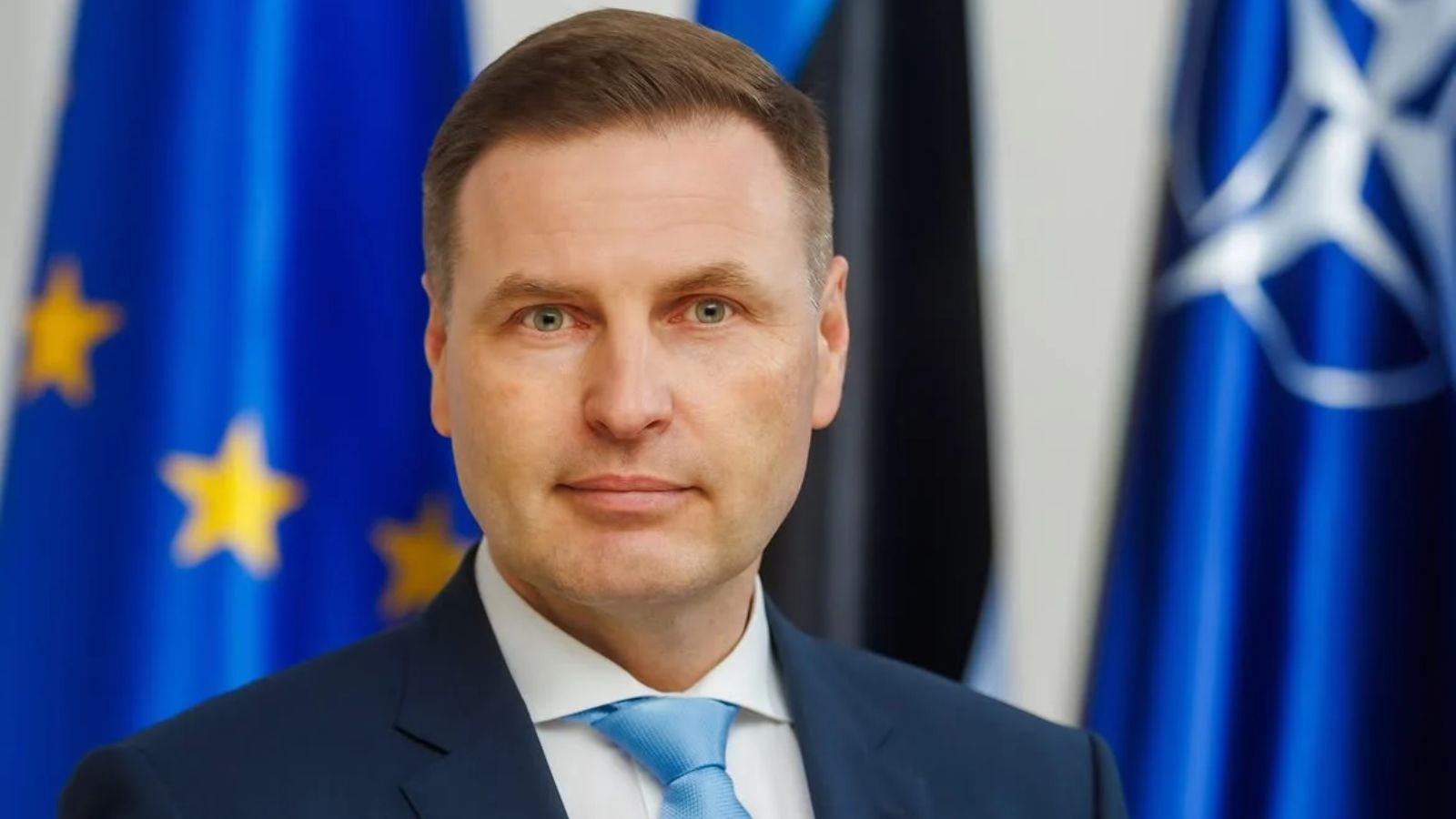
The media wants you to believe that Estonia’s defense minister Hanno Pevkur fell on his sword because a seventy-million-euro artillery deal with an Indian-linked intermediary went south. Headlines scream about unfulfilled shells, missing funds, and an inexperienced supplier.
It is a clean, comforting narrative. Bureaucrat signs bad paper, paper fails, politician quits. For a closer look into this area, we recommend: this related article.
It is also completely wrong.
The lazy consensus is that Estonia got scammed by a rogue overseas supplier. The reality? This disaster has nothing to do with Indian manufacturing capabilities or Italian front companies and everything to do with Western bureaucracy panicking in a supply vacuum. Pevkur didn't resign because a contract failed. He resigned because the architecture of wartime procurement broke, and he was the designated scapegoat when the audit office finally turned on the lights. For broader information on this topic, extensive analysis can be read at TIME.
Let’s look at the mechanics of modern military desperation. When European capitals scrambled to buy 155mm shells for Ukraine through the European Peace Facility, standard procurement channels were already completely dry. You could not place an order with Rheinmetall or BAE Systems and expect delivery this decade. The shelves were empty.
When shelves are empty, buyers stop acting like institutional investors and start acting like gamblers in a back alley. They throw millions in advance cash at anyone waving a manifest claiming they can source ordnance from alternative global markets—the Balkans, Asia, Africa.
To understand why pointing the finger at Datasel and its parent company Neco Defence Munitions misses the mark, look at what actually happened on the ground. European officials bypassed normal risk mitigation because expediency trumped protocol. They wanted plausible deniability, speed, and paperwork that checked out just enough to clear European Commission oversight.
When things work, these shadow-brokered deals are praised as nimble statesmanship. When they stall because production lines in the developing world cannot match European bureaucratic deadlines or sudden quality shifts, everyone acts shocked that an untested middleman behaved like an untested middleman.
The vendor, for its part, maintains it delivered tens of millions in goods that officials inspected, only to watch the goalposts move when funding lines lapsed and political winds shifted in Tallinn. Whether the fault lies entirely in the factory or in shifting legal definitions of compliance doesn't change the structural rot. The entire procurement agency, the RKIK, was built to handle predictable peacetime tenders, not covert wartime black-market arbitrage.
Pevkur’s defense—that ministers do not count socks or read every contract line—is technically true and politically fatal. He is right that a defense minister sets the strategic intent to arm Kyiv rather than auditing individual invoices. But if you authorize a system designed to bypass controls under the banner of emergency aid, you cannot cry foul when those same unchecked controls blow up in your face.
The resignation wasn't about seventy million euros. It was about a ruling coalition losing its parliamentary majority, an aggressive National Audit Office report exposing systemic financial sloppiness, and an opposition smelling blood in the water. Pinning the blame on an India-linked supply chain lets the domestic political establishment pretend that the failure was external rather than systemic.
Stop asking whether Estonia picked the wrong vendor. The right question is whether any European state can maintain legal compliance while fighting a proxy war through third-party brokers.
They cannot. And until politicians admit that wartime desperation requires either outright institutional dishonesty or complete operational transparency, more ministers will fall while the real structural rot remains untouched.