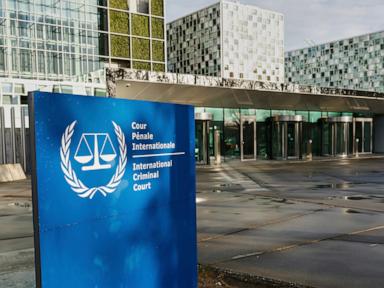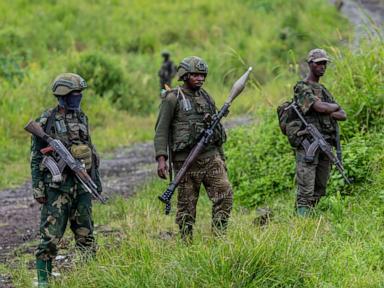
Amnesty International drops another heavy report. The target this time is the M23 rebel coalition, accused of committing war crimes and seizing control of critical mineral mines in the eastern Democratic Republic of Congo. The headlines practically write themselves. International outrage floods diplomatic cables. Tech giants scramble to update their compliance statements. Activists demand stricter boycotts.
It is a neat, emotionally satisfying narrative. Bad guys take the mines, innocent miners suffer, and the international community needs to crack down harder.
It is also completely wrong.
Accepting this version of events requires ignoring how the regional economy actually functions. I have spent years tracking mineral supply chains through the Great Lakes region, watching compliance firms charge fortunes to launder paper trails while the boots-on-the-ground reality gets worse. The standard human rights framework treats conflict minerals as a rogue element interrupting a peaceful state. That premise is false. The corruption is not a glitch in the system. It is the system.
Focusing exclusively on M23 misses the structural mechanics of why eastern Congo remains a permanent extraction zone.
The Compliance Theater That Protects No One
Look at what happens every time a major human rights report hits the wire. Western electronics and automotive companies panic. They demand tighter certification schemes, third-party audits, and blockchain mineral tracking.
The underlying assumption is that if you trace a lump of coltan or cassiterite from a pit in North Kivu to a smelter in Asia, you can starve the armed groups of cash.
This logic collapses upon contact with reality.
When you choke off formal export channels from rebel-held areas like Rubaya, you do not stop the minerals from leaving the ground. You simply push them into the shadows. Artisanal miners do not pack up their shovels and go home when a rebel group takes over a sector. Mining is the only cash economy available. They dig because the alternative is starvation.
When international buyers refuse to touch minerals from a sanctioned zone, local traders simply discount the price, mix the ore with legally certified batches across the border in Rwanda or Uganda, and launder the origin. The warlords still get paid. The middlemen still clip their tickets.
The only people who bear the cost of this compliance theater are the artisanal diggers. Their wages plummet because the risk premium skyrockets, leaving them poorer, more desperate, and even more dependent on armed protection just to survive the day.
The Convenient Fiction of State Innocence
Amnesty points the finger squarely at M23. That narrative treats the Congolese state army, the FARDC, as a hapless victim caught in the crossfire.
That is pure fantasy.
The FARDC has a long, documented history of operating hand-in-glove with the very militias they are supposed to fight. In many cases across the Kivus, regular army units and rebel factions share supply lines, run joint smuggling rings, and temporarily ally to control lucrative mining pits. Troops frequently trade ammunition and uniforms for mineral access.
When an area changes hands from government control to rebel control, the names on the protection-money ledger change, but the extortion mechanics remain identical.
Treating M23 as an aberration lets Kinshasa off the hook. It allows a corrupt central government to externalize its complete failure to govern the periphery. If the international press only focuses on rebel atrocities, nobody asks why the national military is incapable of securing its own territory without relying on shifting coalitions of local militias and foreign mercenaries.
Blaming a single rebel group treats a chronic institutional disease like a localized infection.
The Global Hunger For Clean Consciences
We need to talk about the hypocrisy at the heart of the global energy transition.
Western capitals demand infinite volumes of critical minerals—cobalt, lithium, tantalum, tin—to build electric vehicle fleets and smartphone batteries. They want these inputs delivered cheaply, quickly, and with zero moral friction.
When reports emerge detailing abuses at the extraction sites, the response is rarely a fundamental reevaluation of consumption habits or supply chain economics. Instead, it is performative outrage followed by bureaucratic box-checking.
Companies hire auditing firms that spend a week in a provincial capital, interview compliant local elites, sign off on paperwork, and declare a supply chain clean. Meanwhile, a few miles down the road, miners work in slave-like conditions in pits controlled by commanders who simply changed their insignia last Tuesday.
The consumer gets to buy an ethically certified device while comforting themselves with the belief that their purchase did not fund a war. It is a comforting fiction designed to soothe Western markets while the extraction machine grinds on unabated.
Dismantling The Savior Playbook
If you actually want to change conditions in eastern Congo, you have to stop treating artisanal mining as a moral contagion that needs to be eradicated or quarantined.
Artisanal and small-scale mining employs millions of people in the region. It is the lifeblood of the local economy. Trying to stamp it out through blanket embargoes or impossible compliance hurdles is economic warfare against the poorest people on earth.
Instead of treating these communities as passive victims waiting for a white-knight NGO to save them, policy needs to focus on radical legalization and local economic empowerment.
First, drop the pretense that paper-trail audits can stop smuggling in a region with porous borders and corrupt militaries. If you want to dry up rebel funding, you have to create legal, transparent buying cooperatives that pay fair market rates directly to miners, backed by actual security guarantees that do not rely on predatory state forces.
Second, hold foreign buyers accountable not just for where a mineral was tagged, but for the actual economic outcomes of the workers who pulled it from the dirt. If your supply chain relies on impoverished diggers working at gunpoint, no amount of blockchain certification makes your product clean.
Finally, stop buying the narrative that this conflict is simply about ethnic hatred or simple banditry. It is a contest for control over high-value commodities fueled by global demand.
As long as the rest of the world demands cheap minerals without accepting the messy, violent reality of how those minerals are extracted, reports like Amnesty's will change nothing. They serve as annual reminders of a tragedy that the global economy has no actual interest in solving.
Stop funding the compliance industry. Stop pretending sanctions starve warlords.
Start paying what the metal is actually worth to the people holding the shovel.