Every single person screaming bloody murder over Mark Zuckerberg allegedly ignoring a distress call is telling on themselves. They know nothing about the sea, less about maritime obligation, and absolutely nothing about why private vessels are not your personal coast guard.
The internet grabbed its pitchforks over headlines claiming a three-hundred-million-dollar megayacht sailed right past a stranded vessel without lifting a finger. The outrage machine whirred into action instantly. How selfish. How elitist. How dare a billionaire ignore someone in need.
It is a fantastic narrative. It is also a complete inversion of reality.
The Lazy Consensus Of Maritime Mob Mentality
The public assumes that if you own a ship capable of crossing oceans, you are a floating municipal emergency service. If someone waves their arms or broadcasts a call, you are morally and legally obligated to drop anchor, throw down the boarding ladder, and become a marine rescue towing company.
I have spent enough time around blue-water captains and commercial shipping logistics to know where this fantasy shatters.
Let us look at the fundamental architecture of maritime duty. Under international law, specifically the SOLAS convention and the UN Convention on the Law of the Sea, the master of a ship has a duty to render assistance to persons in distress at sea, provided that doing so does not seriously endanger the ship, crew, or passengers.
Notice the massive qualifying clause at the end of that sentence.
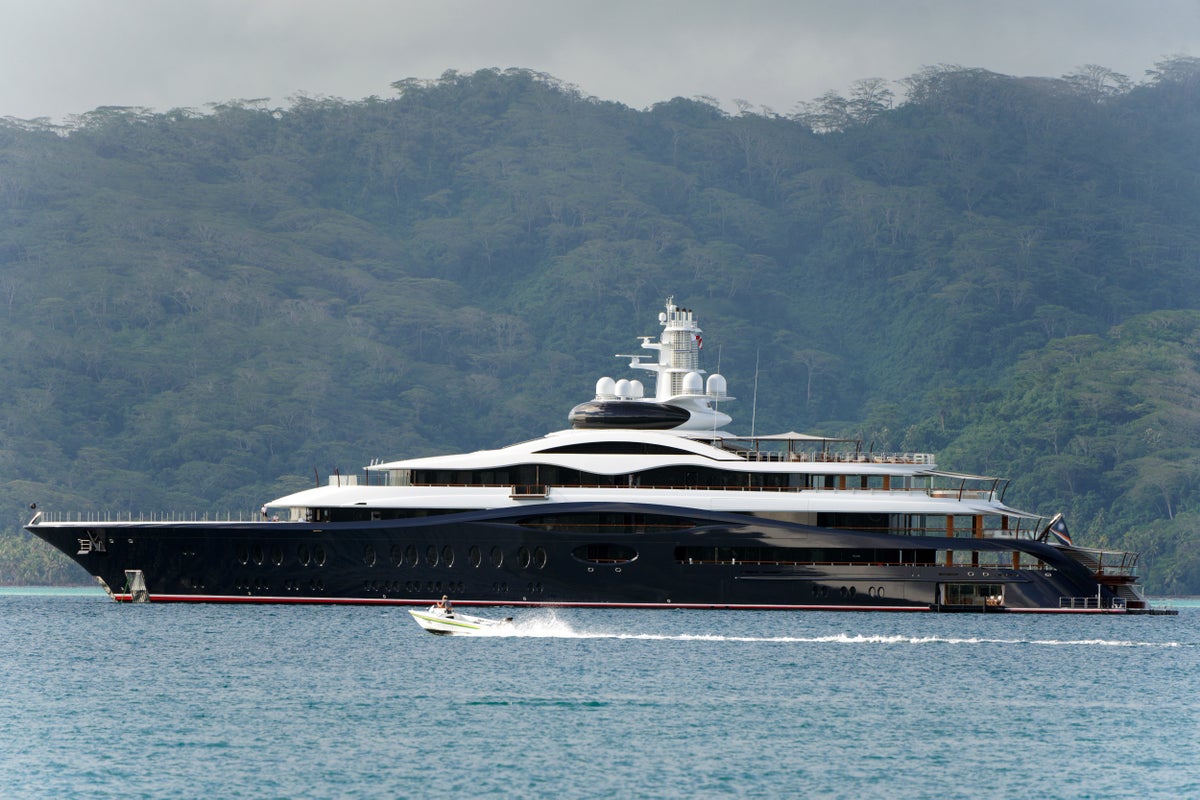
A megayacht like Launchpad is not a rubber-hulled Coast Guard cutter designed to bash through heavy surf, tow dead hulls, or manage hazardous salvage operations. It is a floating composite-and-steel estate worth more than the GDP of a small island nation, carrying high-net-worth individuals, multimillion-dollar interior finishes, and a crew whose primary liability is the safety of the vessel entrusted to them.
When a non-catastrophic breakdown happens—meaning a boat is simply stranded, drifting, or out of fuel without immediate risk of sinking, fire, or loss of life—diverting a vessel of that scale is not just impractical. It is an insurance and legal nightmare.
The Dangerous Fiction Of The Civilian Rescue Mandate
Imagine a scenario where a private megayacht attempts to take a stranded forty-foot sailboat under tow in choppy open water.
Without specialized towing gear, reinforced bitts, and trained salvage crews, the strain on the yacht's stern or superstructure can tear cleats right out of the deck, puncture hulls, or cause a catastrophic collision between two vessels grinding against each other in the swell. Who pays for the six-figure structural damage to the yacht? Does the stranded sailor have liability insurance to cover a billionaire's scraped topsides? Of course not.
More importantly, commercial salvage exists for a reason. Companies like Sea Tow and BoatUS, or international equivalent commercial towers, operate in coastal zones precisely to handle non-emergency disabled craft. When you call a commercial tower, you are engaging a professional service with the right equipment and the right insurance risk profile.
When you demand that a passing private yacht intervene in a non-life-threatening situation, you are asking a civilian to assume commercial liability, physical risk, and operational chaos.
The internet wants billionaires to act as benevolent monarchs who fix every problem in their vicinity. But the ocean does not care about your tax bracket or your feelings about wealth inequality. The ocean cares about displacement, windage, tonnage, and liability.
Dismantling The Distress Myth
Let us separate a true emergency from mere inconvenience.
If a vessel is taking on water, on fire, or experiencing a medical crisis where lives are actively slipping away, every skipper worth their salt answers the call. That is the unwritten law of blue water. You turn the wheel. You launch the tender. You save the humans.
Being "stranded" because your engine died or your electronics failed is inconvenient. It is stressful. It is expensive. But it is not a maritime catastrophe.
When critics complain that a luxury vessel failed to answer a call, they routinely blur the line between a distress call (Mayday) and an urgency or safety call (Pan-Pan or routine assistance). If no lives are in immediate peril, diverting a massive private asset is completely inappropriate.
Furthermore, mega-yachts operate under strict security protocols. Letting unknown individuals tie up alongside or board a private vessel in open water introduces immense security risks. Crew members are trained to protect the vessel and its occupants, not to run an impromptu maritime shelter for stranded tourists who failed to check their fuel gauges or maintain their fuel filters.
The Real Problem With Modern Maritime Coverage
The media loves a morality play. A billionaire makes a convenient villain, and a stranded sailor makes a sympathetic victim. It writes itself.
The real story here is not about Zuckerberg's lack of empathy. It is about the total breakdown of nautical literacy among the general public. We live in an era where people expect hyper-connected, on-demand service everywhere—from the middle of a highway to the middle of the Atlantic Ocean.
When your car breaks down on the interstate, you do not throw a tantrum because a passing semi-truck full of electronics refuses to hook a tow chain to your bumper and pull you to a mechanic. You call AAA.
Yet, put people on the water, and all common sense evaporates. They believe the sea is a public park where everyone is legally required to be your good Samaritan, regardless of the risks involved.
Stop Expecting Floating Estates To Function As Tugs
If you are heading out onto open water, your safety is your responsibility. Not the coast guard's, not a passing commercial freighter's, and certainly not some tech founder's floating palace.
The outrage over this incident is a symptom of a deeper cultural rot: the belief that proximity equals obligation. Just because someone has the resources to help does not mean they have the duty, the equipment, or the obligation to bail you out of poor preparation.
Stop looking for villains where there is only standard maritime reality. Maintain your bilge pumps, service your engines, pay for tow insurance, and stop expecting the world to drop everything just because your weekend cruise turned into a minor mechanical inconvenience.
:max_bytes(150000):strip_icc()/ar-American-Cheese-taste-test-horizon-4x3-54cc339550cd44b9a818c17bdfd5428d.jpg)