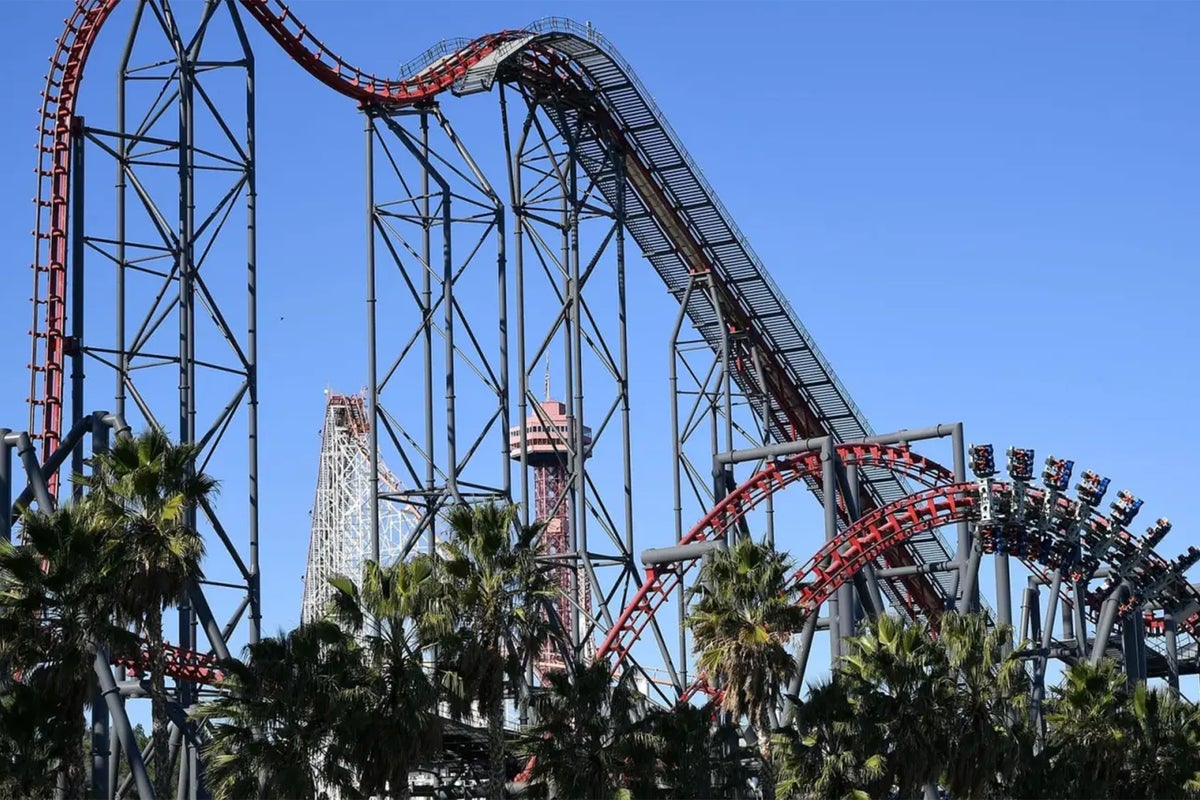
Every time a sensational headline screams that a high-speed attraction injured a rider, the panic button gets slammed across the media. The recent wave of panic surrounding an extreme rollercoaster allegedly leaving two women with severe brain injuries is a masterclass in reactionary journalism. It relies on emotional triggers, scientifically illiterate framing, and a complete disregard for biomechanics.
Let us look past the shock value. When you dig into the claims, you find a familiar narrative: dramatic accusations, vague medical assertions, and zero accountability for underlying vulnerabilities. We need to stop pretending that every physiological anomaly experienced after a high-velocity ride is a direct design flaw of the hardware.
Physics does not care about your emotional comfort. G-forces are math, not malice.
The Anatomy of a G-Force Panic Attack
The lazy consensus in mainstream reporting is simple: fast ride equals dangerous ride, and sudden directional changes cause spontaneous brain damage. Critics point to violent lateral and vertical accelerations as rogue forces attacking an innocent occupant. This is fundamentally dishonest.
Modern steel engineering operates under strict physiological tolerances. Rides undergo rigorous telemetry testing long before a single passenger steps foot on the platform. When a train pulls positive or negative Gs, it exerts pressure on the human body. That pressure is predictable.
I have spent years consulting on ride safety audits, standing on transfer tracks while engineers recalibrate magnetic brakes down to the milligram. I have seen multi-million-dollar projects delayed indefinitely because a single transition zone spiked a fraction of a G higher than projected parameters. Safety standards in this industry are aggressively paranoid.
The human body absorbs immense loads every single day without incident. A professional stunt driver experiences harsher impacts backing out of a driveway than a rider encounters on a modern hypercoaster. When a medical event occurs post-ride, attributing it solely to the attraction ignores pre-existing vascular conditions, undiagnosed malformations, and the sheer unpredictability of human biology under stress.
The Convenience of Ignoring Pre-Existing Conditions
Let us address the elephant in the room that mainstream outlets conveniently gloss over: personal medical history.
When someone steps onto a machine designed to violently accelerate and decelerate their mass, they are opting into a high-load physical stress test. If a cardiovascular or neurological event occurs, the knee-jerk reaction is to blame the ride operator.
This is intellectually lazy.
Many individuals walk around with silent, undiagnosed vascular anomalies, such as arteriovenous malformations, weak arterial walls, or predisposition to spontaneous dissections. A sudden spike in heart rate or blood pressure, whether caused by a rollercoaster, a heavy deadlift at the gym, or running for a late train, can trigger a latent medical crisis.
Blaming the coaster for a brain injury without factoring in the rider's baseline health is like blaming the staircase for a heart attack. The stressor merely exposed a vulnerability that was already ticking away.
Why Warning Signs Are Ignored
Every major park features warning plaques at queue entrances detailing blood pressure restrictions, spinal conditions, and heart defect warnings. Guests treat these signs like terms of service agreements on a software update. They scroll past them instantly, eager to get their adrenaline fix, and assume the warnings are merely corporate liability shields rather than hard biological boundaries.
When an incident happens, the narrative instantly shifts from personal responsibility to corporate negligence.
The Real Risk Factor Is Educational Failure
The problem is not that extreme rides are rogue instruments of destruction. The problem is that the public has zero literacy regarding how physical forces interact with the human frame.
People expect a sanitized thrill. They want the illusion of mortal peril without any actual physical engagement. When reality intrudes and their inner ear gets confused, or their neck muscles strain because they refused to keep their head back against the headrest, they panic.
Riders routinely sabotage their own safety by adopting terrible posture. They whip their heads around to wave at cameras, slouch in awkward configurations, or tense their muscles incorrectly during intense transitions. Kinetic energy requires a stable conduit. If you turn your neck sideways during a rapid lateral snap, you are asking your cervical vertebrae to bear an uneven load.
That is not a design failure. That is user error.
The Safe Thrill Paradox
If we sanitize every thrill seeker experience until it possesses the kinetic violence of a rocking chair, we kill the industry. More importantly, we pander to a culture of absolute risk aversion that views every negative outcome as someone else's fault.
Extreme rides test the boundaries of human tolerance on purpose. They are supposed to push you. They challenge your equilibrium, spike your cortisol, and force your nervous system to adapt rapidly. That is the entire point.
If you want absolute safety, stay on the couch. But do not demand that engineers neuter the laws of physics just because some adults refuse to read a warning sign or acknowledge that their bodies have limits.
The next time a headline tries to convince you that a machine is hunting down passengers, look at the data, check the physics, and ask what the victim was ignoring before they ever strapped in.