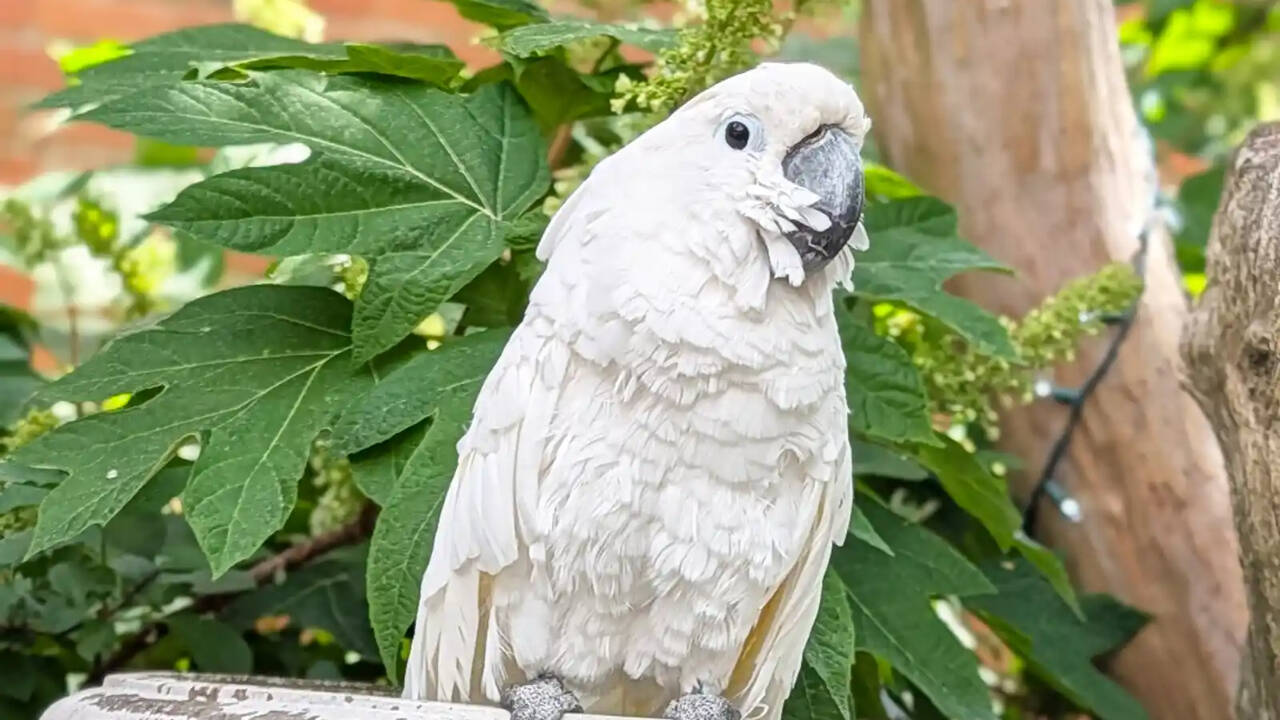
Animals often surprise us with their resilience. When an injured or disabled creature overcomes the worst of circumstances, people tend to pay attention. Recently, a blind cockatoo captured national headlines by winning Pet of the Year and raising over thirty-three thousand dollars in the process. This is not just a heartwarming feel-good story about a bird with a disability. It represents a shift in how modern animal welfare handles specialized rehabilitation and community engagement.
Behind the viral clips and the impressive fundraising totals lies a complex operational machine. How does a blind exotic bird transition from a traumatic rescue case to a certified therapy animal? More importantly, how did a simple online contest mobilize thousands of donors to contribute exactly $33,674? To understand this phenomenon, we have to look past the feathers and examine the intersection of modern pet advocacy, digital marketing, and specialized animal care.
The Reality of Avian Blindness
Most people assume a blind bird cannot navigate the world. They picture constant collisions, permanent distress, and a low quality of life. Veterinary science paints a different picture. Birds rely heavily on auditory cues, tactile feedback from their feet, and spatial memory.
When a cockatoo loses its sight due to trauma, illness, or genetic failure, the remaining senses sharpen to compensate. A blind bird maps a room through echolocation clicks of the beak and the subtle shifting of air currents. Caregivers note that a well-adjusted sightless parrot can climb a cage and locate food bowls with surprising precision.
Yet, the initial rescue phase remains brutal. A blinded exotic animal panics easily. Without proper handling, self-mutilation and severe behavioral disorders develop within weeks. Turning a traumatized animal into a calm companion requires immense patience. Professional handlers utilize targeted desensitization protocols. Every sound becomes an anchor. Every touch follows a strict predictable sequence.
Why Therapy Certification Matters
Therapy animal status is not handed out lightly. Organizations evaluate temperament, stress thresholds, and predictability. For a cockatoo, this scrutiny doubles. Parrots possess the intelligence of a young child combined with the bite force of a bolt cutter.
A therapy bird must tolerate chaotic environments. Hospitals, classrooms, and nursing homes present unpredictable sensory inputs. Sudden loud noises, strange smells, and erratic movements would terrify a wild bird. The cockatoo in question underwent rigorous behavioural testing before earning credentials.
Handlers credit the bird's blindness as an unexpected advantage in therapy settings. Because the animal cannot fixate on visual threats, it remains remarkably calm amid commotion. It does not startle at a wheelchair or an IV pole. Instead, it leans into tactile interactions, letting patients stroke its crest feathers. This creates a powerful emotional bridge. Patients dealing with their own physical limitations find profound connection in sharing space with a creature navigating a similar sensory handicap.
The Economics of Modern Pet Contests
Online pet competitions have evolved into sophisticated fundraising engines. What started as casual photo shares on social media now function as high-stakes charity drives. Platforms hosting these events leverage gamification to maximize donations.
The $33,674 raised by this specific blind cockatoo did not appear by accident. It resulted from a deliberate digital campaign strategy.
- Micro-donations tied to vote multipliers: Supporters could cast free daily votes or purchase paid votes that directly funded rescue operations.
- Algorithmic momentum: Early traction pushed the profile into recommended feeds, capturing neutral audiences who converted into financial backers.
- Emotional storytelling: Daily updates focused on rehabilitation milestones rather than just asking for money.
Critics often question the ethics of these contests. Do they exploit animals for corporate sponsorship and platform engagement? Sometimes. Many online pageants prioritize aesthetics over welfare, rewarding breeders of exaggerated physical traits.
This particular competition subverted that dynamic. By awarding the top spot to a disabled rescue bird, voters signaled a change in cultural values. Perfection is no longer the sole currency of pet culture. Vulnerability and survival resonate deeper.
Where the Money Actually Goes
Raising over thirty-three thousand dollars sounds impressive on paper. In the world of avian rescue, it represents a drop in a very large bucket. Large parrots live for decades. Their medical needs are notoriously expensive.
Specialized avian veterinarians charge premium rates. Specialized diets require fresh organic produce, high-grade pellets, and nutritional supplements. Housing a blind bird safely demands custom enclosures devoid of sharp corners, featuring padded perches and ground-level feeding stations.
The funds secured through this contest were allocated across three distinct areas.
| Expense Category | Percentage of Funds | Primary Focus |
|---|---|---|
| Veterinary Care | 45% | Surgeries, medication, ongoing optometric monitoring |
| Habitat Modification | 30% | Custom safe-room construction, padded enclosures |
| Outreach & Education | 25% | Therapy visits, public disability awareness programs |
Financial transparency remains a persistent hurdle in the animal non-profit sector. Donors want to know their money buys grain and medicine, not administrative overhead. The organization backing this cockatoo published open-book financials within a week of the contest closing. This level of accountability set a standard that other rescue groups now scramble to match.
The Broader Cultural Shift
We are witnessing a slow dismantling of the traditional pet paradigm. For generations, the market favored purebred perfection. People wanted the fluffiest puppy or the most colorful bird, often ignoring the genetic toll of selective breeding.
Disabled animals challenge that superficial aesthetic. When a blind cockatoo wins a national title, it validates the millions of pet owners who adopt special-needs animals. It proves that a life marked by physical deficit can still hold immense value and joy.
The animal welfare sector faces a looming crisis of capacity. Shelters overflow with surrendered exotics. Owners buy intelligent, long-lived birds on an impulse, only to abandon them when the behavioral reality sets in. Stories like this one temporarily boost adoption rates. They remind the public that rescue work extends beyond dogs and cats.
Real change requires more than viral moments and cash prizes. It demands systemic reform in how exotic animals are bought and sold. Until breeders face stricter regulations and buyers acknowledge the lifelong commitment required, rescue organizations will remain overwhelmed.
The blind cockatoo sleeps soundly tonight in a custom, padded enclosure, unaware of the digital waves it created. The campaign ended. The trophy sits on a shelf. The real work continues tomorrow at dawn.