The New York Knicks are back in the NBA Finals because they stopped acting like the New York Knicks. For nearly a quarter-of-a-century, Madison Square Garden operated as basketball’s most expensive soap opera, a place where short-sighted trades, bloated contracts, and impatient ownership combined to create a permanent state of dysfunction. The city’s current euphoria isn't just about winning basketball games. It is about the relief of watching a multi-billion-dollar institution finally execute a cold, calculated, and disciplined plan to rebuild itself from the hardwood up.
For decades, the franchise chased the quick fix. They treated every available superstar like a savior, sacrificing future draft capital and financial flexibility for temporary relevance. It failed every single time. The turnaround did not happen because of a lucky lottery bounce or a sudden burst of benevolence from the basketball gods. It happened because the front office stopped hunting for headlines and started building a culture predicated on asset management, defensive identity, and relentless stability.
The Architect of the Turnaround
Leon Rose did not give a press conference for years after taking over as team president, and that silence was the first sign of a cultural shift. In a town where front-office executives historically craved the spotlight as much as the players, Rose operated in the shadows. He understood a fundamental truth about the modern NBA. You do not build a contender by winning the press conference in July. You build it by winning the marginal trades in January.
The acquisition of Jalen Brunson is frequently cited as the turning point, but the groundwork was laid much earlier. The front office stopped bleeding draft picks. They hoarded first-round selections, weaponized cap space, and refused to overpay for secondary stars who would cap their ceiling. When the media clamored for a blockbuster trade for every disgruntled All-Star on the market, the front office exercised an agonizing, brilliant patience. They waited for the right piece instead of the first piece.
This patience allowed the team to construct a roster that fits together like a complex puzzle. In the modern salary-cap environment, depth is a luxury that few true contenders can afford. New York built that depth by identifying undervalued talent and developing players within their own system.
The Thidobeau Factor and Defensive Identity
Tom Thibodeau is a demanding coach. His practices are grueling, his minutes allocations are a frequent source of debate among league analysts, and his scowl is a permanent fixture on the baseline. Yet, his hiring was the precise structural correction this franchise needed. Before Thibodeau arrived, the Knicks lacked an identity. They were soft, disorganized, and easily pushed around by more disciplined teams.
Thibodeau changed the tax bracket of the roster by demanding a baseline of effort that is non-negotiable.
- Defensive Rating: The team transformed from a bottom-tier defensive unit into a top-five suffocating machine that forces opponents into contested, late-shot-clock attempts.
- Rebounding Margin: They consistently dominate the glass, turning missed shots into immediate physical advantages.
- Point Prevention: New York stopped allowing easy transition buckets, forcing teams to play a half-court game against a wall of rotating defenders.
This style of play is exhausting to watch and even more exhausting to play against. It wears opponents down over a seven-game series. It turns the postseason into a war of attrition, which is exactly where this specific roster thrives. They win because they are comfortable being uncomfortable.
The Jalen Brunson Blueprint
When New York signed Jalen Brunson to a four-year contract, critics called it an overpay for a backup point guard who had benefited from playing alongside Luka Doncic. It is now tracking as one of the most impactful free-agent signings in modern sports history. Brunson did not just bring scoring. He brought a sense of calm to a position that had been a revolving door of mediocrity since the days of Walt Frazier.
Brunson’s game is a clinic in footwork, leverage, and mid-range mastery. He does not rely on elite athleticism or freakish height. He relies on an intellect that allows him to manipulate defenses, find his spots, and deliver under intense pressure.
More importantly, his leadership style is infectious. When your best player is also the hardest worker on the floor, accountability ceases to be a buzzword and becomes a daily reality. He accepted a team-friendly contract extension that preserved financial flexibility for the front office, proving that his commitment to winning superseded his desire to maximize every single dollar. That gesture sent a shockwave through the locker room. It signaled that the era of individual agendas in New York was officially dead.
Deconstructing the Roster Harmony
A basketball team is not a collection of individual talent; it is an ecosystem. The Knicks succeeded where other big-market teams failed because they understood the concept of role maximization. Josh Hart does not demand the ball, yet he influences winning through sheer force of will, tracking down offensive rebounds that he has no business reaching. Donte DiVincenzo provides the necessary spacing, a lethal perimeter threat that prevents opposing defenses from collapsing on Brunson’s drives.
The front office’s ability to pivot during the season without destroying this chemistry was masterful. The trade for OG Anunoby was a masterclass in risk management. They surrendered young talent in RJ Barrett and Immanuel Quickley, a move that carried significant emotional weight for a fan base that had watched those players grow. But the basketball fit was undeniable. Anunoby provided elite, multi-positional defense and an efficient perimeter game that perfectly complemented the existing core.
The Economics of a Sustainable Contender
Winning in the NBA requires a delicate dance with the luxury tax. The new collective bargaining agreement features punitive aprons that can dismantle a roster overnight if a front office makes a single mistake. New York navigated these restrictions by avoiding the temptation to carry three maximum-contract players.
Instead, they chose a model featuring one superstar, an elite secondary star, and an incredibly deep rotation of high-end role players earning market-value contracts. This approach protects them against injuries. If one player goes down, the system does not collapse because the drop-off to the bench is minimal. It also gives them flexibility in the trade market, allowing them to match salaries easily if an undeniable upgrade becomes available.
The financial health of the franchise is now as strong as its on-court product. Madison Square Garden is a goldmine when the team is mediocre; when the team is a true title contender, it becomes the epicenter of the sporting world. The revenue generated by this postseason run will fund the franchise's operations for years to come, but the real victory is that ownership has finally learned to stay out of the basketball operations department's way. James Dolan’s willingness to write the checks and let the basketball minds make the basketball decisions is perhaps the most shocking development of this entire era.
The Path Through the Eastern Conference
The road to the Finals was not a cakewalk. The Eastern Conference is a physical gauntlet filled with elite individual talent and deeply entrenched defensive schemes. New York had to dismantle teams that possessed more traditional star power but lacked their collective resolve.
They won by dominating the margins. In the playoffs, games are decided by three or four possessions. A loose ball recovered, an offensive rebound put back, a rotation made a split-second faster—these are the details that separate a conference finalist from a vacationing lottery team. The Knicks mastered these details. They turned every game into a slow, grinding affair that stripped opponents of their rhythm and forced them to play on New York's terms.
What This Means for the City
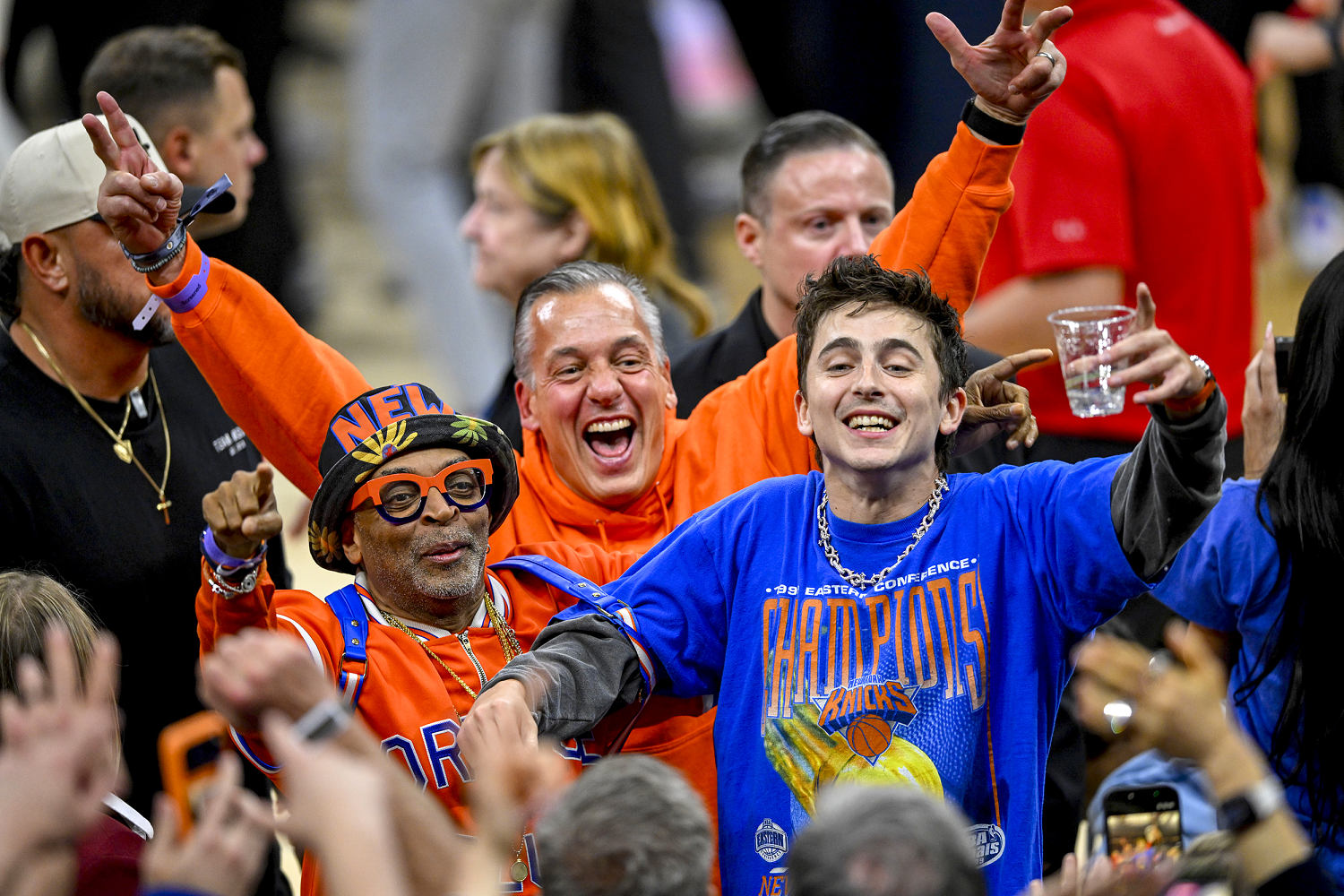
New York is a basketball town that has spent twenty-four years pretending to care about other things because the home team was too painful to watch. The energy inside the arena right now is different from the corporate environment seen in many modern sports venues. It is loud, hostile, and genuinely intimidating for opposing teams. The fan base recognizes themselves in this roster. They see a group of players who do not look for excuses, who play through pain, and who treat every possession like a matter of absolute consequence.
The Finals matchup will test every single vulnerability this team has. They will face an opponent with elite depth, championship pedigree, and strategic brilliance. There will be moments where the offense stalls, where the defense gives up runs, and where the lack of a traditional secondary twenty-five-point-per-game scorer will be dissected by television pundits.
But this team was not built to be pretty. It was built to endure. The blueprint has been validated, the culture has been established, and the ghost of twenty-four years of failure has been permanently exorcised from the rafters of Pennsylvania Plaza.