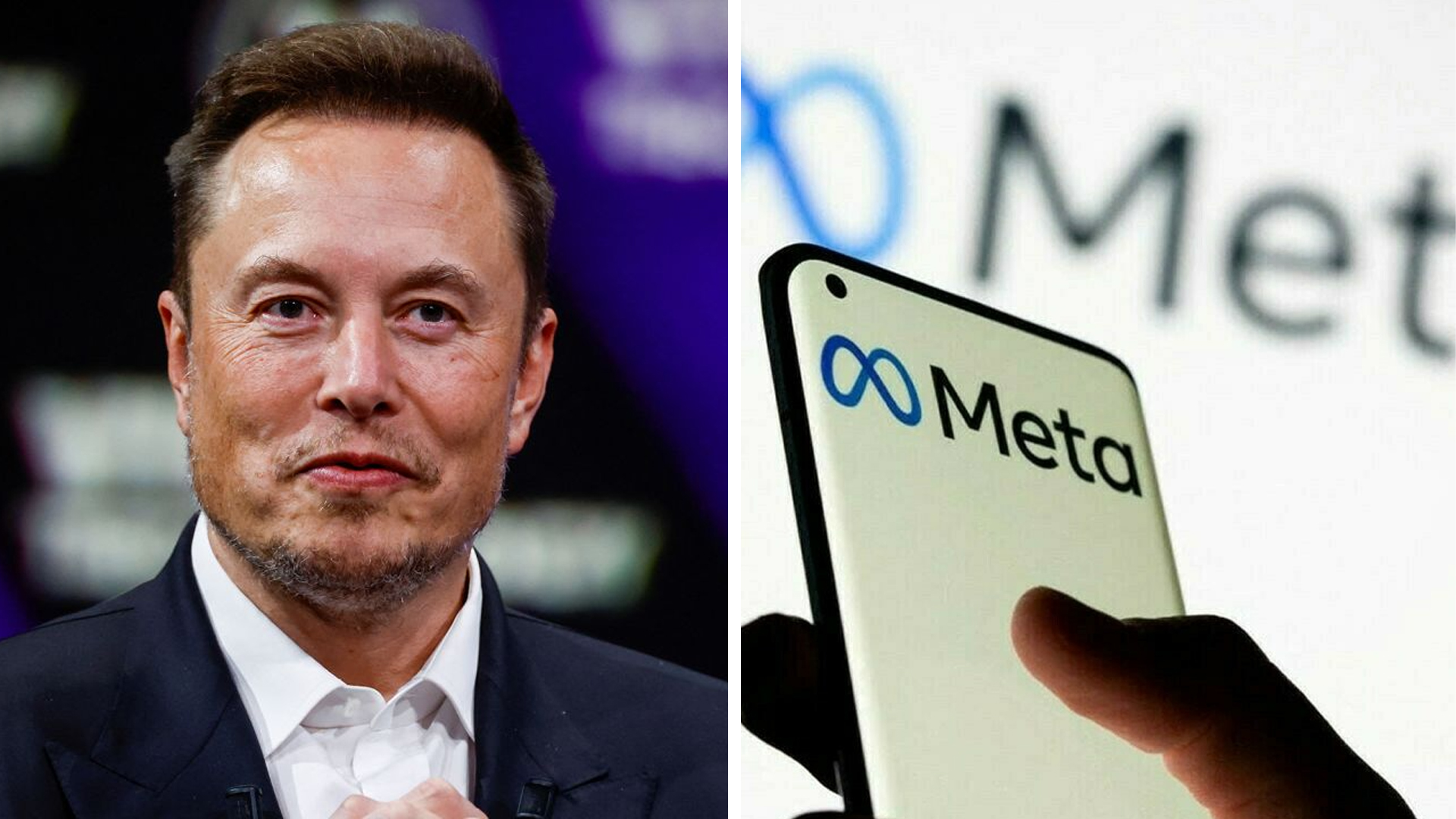
The headlines are breathless. The antitrust crusaders are pounding their chests. Everyone assumes that if the courts force Meta to strip apart Facebook and Instagram, corporate accountability wins and the little guy gets a fighting chance.
It is a comforting bedtime story for people who do not understand how modern platform economics actually function. Recently making waves recently: SpaceX Lunar Impact Exposes The Chaotic Reality Of Private Space Exploration.
I have watched companies waste hundreds of millions of dollars trying to outmaneuver platform algorithm shifts, and I can tell you right now that breaking up Meta is the greatest gift Wall Street could ever hand to Mark Zuckerberg.
Stop cheering for a structural breakup. You are cheering for your own irrelevance. Additional insights regarding the matter are explored by Mashable.
The Fallacy of the Fragmented Feed
The lazy consensus dominating antitrust circles goes something like this: Instagram is a monopoly, Facebook is a monopoly, and separating them will create a thriving ecosystem of competing social networks where scrappy startups can finally breathe.
This is economic illiteracy disguised as progress.
When you fragment a multi-billion-user attention machine into standalone entities, you do not destroy network effects. You multiply them. Advertisers currently navigating Meta’s single, unified ad manager—messy as it is—would suddenly find themselves negotiating separate contracts, managing fragmented pixel data, and bidding across siloed inventories.
Who profits from that complexity? Agencies. Enterprise software middlemen. Programmatic trading desks. The incumbent ad-tech oligopoly outside of Meta will throw a massive party the day the breakup order drops.
What the Trustbusters Get Wrong About Data
The core argument behind these ongoing antitrust trials hinges on data aggregation. The narrative claims that owning WhatsApp, Instagram, and Facebook gives Meta an unfair, insurmountable pool of user data that crushes any competitor brave enough to enter the market.
Let us look at the actual mechanics of modern ad targeting.
Data volume stopped being a competitive advantage years ago. Signal loss, privacy regulations, and device-level restrictions made raw volume a liability rather than an asset. The challenge today is not having data; it is predictive modeling under uncertainty. Meta’s real moat is not their database size. It is their machine learning infrastructure and their proprietary attribution pipelines.
Splitting Instagram from Facebook does not neuter their algorithm. It just forces them to deploy two recommendation engines instead of one, both trained on the exact same behavioral psychology.
"Monopolies do not survive because they are big. They survive because switching costs are higher than the friction of staying."
The Real Winner of Antitrust Lawsuits
Every time a government agency launches a massive antitrust suit against a tech giant, two things happen:
- Legal budgets explode.
- Compliance moats widen.
Small startups cannot afford the regulatory compliance overhead that a post-breakup Meta would naturally demand of its ecosystem partners. When you regulate an industry giant into pieces, you lock the doors behind them. You create a heavily policed corporate fiefdom where only massive institutional players can afford to play the compliance game.
If Instagram becomes an independent company tomorrow, it will still need to monetize. Without the cross-subsidy and infrastructural backing of the parent entity, monetization pressure on creators and small businesses will skyrocket. The algorithm will not get kinder. It will get more desperate.
Stop Fighting the Wrong Battle
If you are a founder, a creator, or a digital marketer wasting energy waiting for the courts to rescue you from Meta's dominance, you are losing the war while celebrating a skirmish.
The platforms do not owe you a fair shake. They owe their shareholders engagement and yield.
Instead of waiting for a structural breakup that will only introduce more friction into your ad spend and distribution, change your math. Build direct relationships that do not rely on algorithmic rent-extraction. Stop treating social media rent space as a permanent asset.
The regulators want you to believe that a court order can legislate fairness into a system built entirely on behavioral capture. It cannot.
The breakup is coming, and when it arrives, the lawyers will cash their checks, the stock price will adjust, and you will still be begging an algorithm for your daily bread.