Five in the morning. That is the only hour when Dhaka stops shouting.
For twenty minutes, right before the first azan ripples across the tin roofs of Korail and the concrete towers of Gulshan, you can hear the Buriganga River slapping against the hulls of wooden launches. You can smell wet clay, diesel, and the faint, sweet rot of crushed marigolds left over from the previous night’s market. Then the engines turn over. Within fifteen minutes, the air thickens into something you do not breathe so much as chew.
To understand what is happening to the capital of Bangladesh right now, forget the satellite maps and the urban planning white papers. Picture a single room built for four people. Now push twenty into it. Lock the windows. Light a kerosene stove in the corner, and ask everyone inside to run a marathon without stepping on each other’s feet.
That is Dhaka.
The headlines call it an infrastructure deficit, a public health emergency, a housing crisis. Those are clean words, sanitized in conference rooms thousands of miles away. Down on the ground, at the corner of Mirpur Road where the asphalt buckles under the weight of three-wheeled rickshaws, overloaded buses, and delivery vans, the crisis has a pulse. It tastes like iron dust. It feels like a permanent, low-grade fever that never quite breaks.
The Arithmetic of the Unstoppable
Numbers usually numb us, so let us keep them sharp. Over twenty-three million people now crowd into the Greater Dhaka area, packed into roughly three hundred square kilometers. That makes it one of the most densely populated urban stretches on Earth—more than forty thousand human beings per square kilometer in the city’s core, and in its informal settlements, the density climbs past two hundred thousand.
Every single day, somewhere between fifteen hundred and two thousand new arrivals step off ferries, buses, and trains at Kamalapur station.
They do not come because Dhaka is glamorous. They come because the Bay of Bengal is swallowing their rice paddies in Satkhira, because river erosion in Sirajganj took their grandfather’s orchard overnight, because a garment factory floor in Gazipur pays cash on the tenth of every month while the soil back home turns to salt. Climate migration is not an abstract forecast in Bangladesh. It is a bus ticket bought with borrowed money.
Consider a hypothetical newcomer—call him Rafiq, thirty-two, formerly a fisherman from Bhola Island whose shoreline retreated forty yards in three monsoon seasons. When Rafiq arrives in Dhaka with a canvas bag and a phone number scribbled on a matchbox, the city does not have a welcome desk. It has a shadow market.
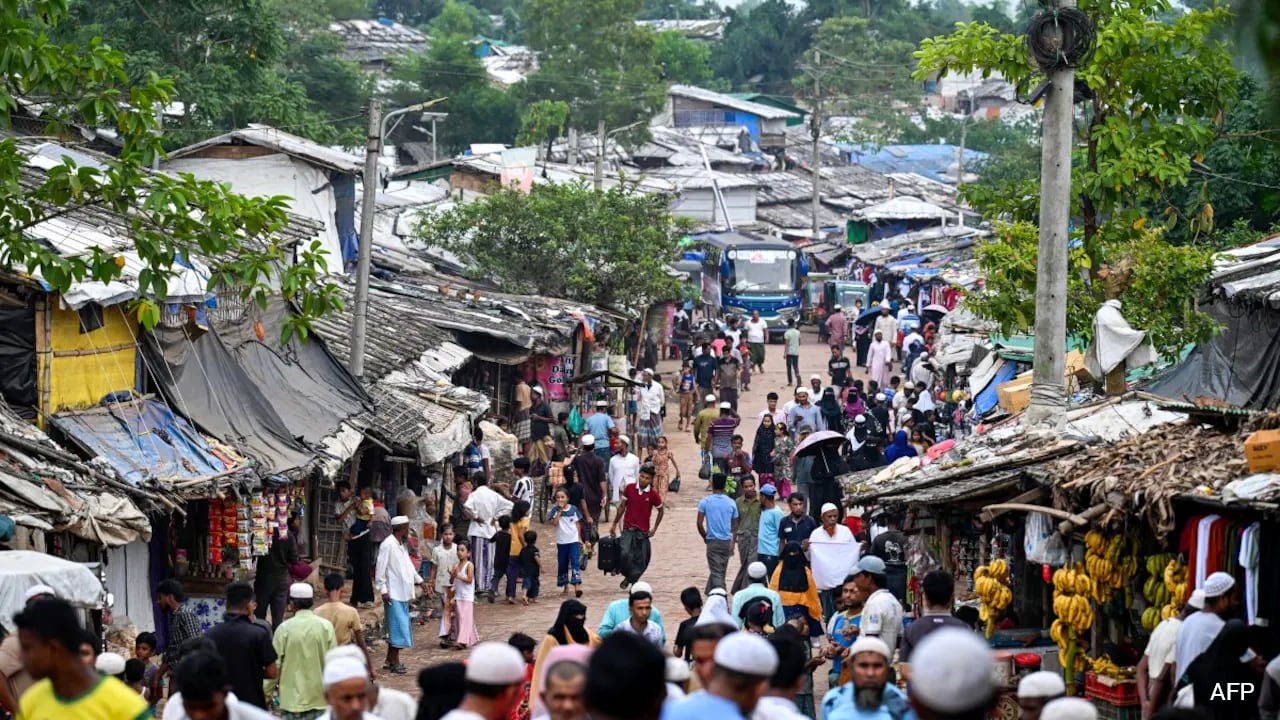
Within forty-eight hours, Rafiq is paying four thousand taka a month—nearly a third of his starting wage—for an eight-by-ten-foot room made of corrugated iron and salvaged plywood in a settlement built over a stagnant drainage canal. There is no lease. There is no municipal water line. The electricity comes from a tangle of black wires tapped illegally off a main transformer, humming like a nest of angry wasps above his head every time it rains.
Multiply Rafiq by half a million people a year.
Where Walls Become Weapons
Urban planners talk about "informal housing" as if it were a temporary waiting room—a rough patch people pass through on their way to the middle class. In Dhaka, the waiting room has become the entire house.
Roughly forty percent of the city’s population lives in slums and informal settlements, squeezed onto less than five percent of the residential land. Yet the housing crisis is not confined to tin-roofed shanties. Walk three miles north into the middle-class neighborhoods of Mohammadpur or Uttara, and you will see another version of the same squeeze.
Developers, chasing the highest possible return per square foot, have poured concrete over almost every wetland, retention pond, and neighborhood park that existed thirty years ago. Between 1990 and 2020, Dhaka lost more than seventy percent of its natural water bodies and green spaces. The city grew upward and outward without leaving room for its own lungs.
When you pave over every sponge in a delta, where does the water go?
Into the living rooms. Into the ground-floor clinics. Into the septic tanks.
During the monsoon months from June to October, a heavy two-hour downpour turns major arteries into waist-deep rivers of grey water. That water is not rain anymore; it is a slurry of raw sewage, industrial runoff, plastic waste, and heavy metals. Children wade through it to reach school. Rickshaw pullers stand in it for twelve hours a day, their ankles blistering with fungal infections that never fully heal because their feet never fully dry.
I remember standing on a concrete overpass near Karwan Bazar after an August cloudburst, watching a line of ambulances trapped in gridlock while dirty water lapped against their hubcaps. Nobody was honking anymore. The noise had flattened into a low, exhausted hum. You realize in moments like that how fragile the boundary is between a functioning metropolis and a trap.
The Invisible Fever
If the housing crisis is visible in crooked brick walls and flooded alleys, the public health crisis moves silently through the bloodstream.
Start with the air. Dhaka routinely sits near the top of global air quality rankings—and not in a way any city wants. During the dry winter months between November and March, levels of fine particulate matter, known as PM2.5, regularly spike to twenty or thirty times the safe limit set by the World Health Organization. Brick kilns ringing the city belch black coal smoke. Millions of vehicles crawl at an average traffic speed of less than five kilometers per hour—slower than a brisk walk—burning low-grade fuel in place. Uncovered construction sites shed clouds of silica dust onto every passerby.
Breathing Dhaka’s winter air is functionally equivalent to smoking half a pack of cigarettes a day, whether you are a forty-year-old day laborer or a six-month-old infant sleeping in a cradle.
Pulmonologists at the National Institute of Diseases of the Chest and Hospital see the results every morning before eight o'clock. Chronic obstructive pulmonary disease in non-smokers. Childhood asthma that no longer responds to standard inhalers. Low birth weights and stunted lung development in children born within a mile of major intersections.
And then there is the mosquito.
For decades, dengue fever was a predictable, seasonal nuisance in Bangladesh, flaring briefly after the rains and fading away. In 2023, that pattern shattered. Bangladesh recorded over three hundred and twenty thousand hospitalized dengue cases and more than seventeen hundred deaths—the deadliest outbreak in the nation’s history, with Dhaka at its epicenter. Since then, the virus has refused to retreat on schedule.
Why? Because Dhaka built a paradise for Aedes aegypti.
Think of the city as a giant, open-air incubator. Half-finished concrete towers hold rainwater in elevator shafts and basement pits. Discarded plastic cups, coconut shells, and construction barrels collect warm puddles on every roof. Warmer temperatures extend the mosquito breeding window deeper into the autumn, while high population density means a single infected insect can bite five people in an afternoon without flying fifty yards.
Walk into the dengue ward of Dhaka Medical College Hospital at the height of an outbreak and the air smells sharply of bleach and sweat. Patients lie two to a mattress, and when the beds run out, they lie on plastic mats stretching down the corridors, IV bags hanging from hooks driven into the peeling plaster walls. Mothers fan feverish children with folded newspapers, watching the platelet counts on clipboard charts the way gamblers watch a roulette wheel.
The Price of a Glass of Water
We assume that in a modern capital, turning on a tap is the simplest act of the day. In Dhaka, water is a daily negotiation.
The city’s groundwater table—the deep aquifers beneath the delta that supply roughly seventy percent of Dhaka’s piped water—is dropping by two to three meters every single year. We are pumping water out of the earth faster than the monsoon rains can refill it, especially now that concrete covers the soil where rain used to seep down.
In the low-income neighborhoods, piped municipal water often arrives for only an hour or two at dawn, smelling faintly of sulfur or sewage where aging, cracked pipes run beside open drains. Families wake at three in the morning to fill blue plastic drums. Those who cannot connect to the municipal grid buy water from informal middlemen at rates that are, gallon for gallon, several times higher than what wealthy residents pay in diplomatic enclaves.
Waterborne illness follows predictable lines of class. Diarrheal diseases, typhoid, and hepatitis A surge every spring when water levels drop and bacterial concentrations spike. The International Centre for Diarrhoeal Disease Research, Bangladesh—known locally as icddr,b—treats hundreds of patients a day during peak weeks, its famous cholera cots filling with dehydrated garment workers, street vendors, and toddlers.
The cruel irony is financial. A family living on sixteen thousand taka a month does not have medical insurance. Out-of-pocket spending accounts for nearly seventy percent of all healthcare costs in Bangladesh. One severe bout of typhoid or dengue—a week of lost wages, diagnostic blood tests, saline bags, antibiotics—can wipe out two years of savings and push a household straight back into debt. Health is not separate from housing in Dhaka. They are two halves of the same vise.
Why Band-Aids Keep Peeling Off
It is tempting to look at a city this strained and assume nobody is trying to fix it. That would be false, and unfair.
Over the past decade, Dhaka has poured billions of dollars into concrete megaprojects. The elevated Metro Rail now glides smoothly above the gridlock from Uttara to Motijheel, cutting a two-hour crawl into a twenty-minute ride for hundreds of thousands of commuters. New expressways arch over rail crossings. Wastewater treatment plants are under construction on the city’s eastern edge.
Yet anyone who lives here feels the mismatch between the skyline and the street.
You cannot solve a crowding crisis solely by building faster ways to move through the crowd. When a new highway opens without affordable housing policies, land values along the corridor double overnight. The low-income workers who clean the offices, sew the shirts, and drive the delivery bikes are pushed further out to the marshy fringes—into Gazipur, Narayanganj, Savar—where municipal governance is even thinner and factories sit right beside makeshift dormitories.
Real estate regulation remains caught between ambitious master plans and political reality. The Detailed Area Plan drawn up by urban authorities calls for preserving flood-flow zones, capping building heights in congested wards, and mandating open space. On paper, it makes complete sense. On the ground, wetlands are still filled with sand under cover of darkness because a square foot of commercial real estate in Dhaka is worth more than almost anywhere else in South Asia.
Public health suffers from the same fragmentation. Mosquito control is split across city corporations that struggle to coordinate fumigation schedules, while solid waste collection misses hundreds of tons of garbage daily, clogging the very canals meant to drain the city. Primary healthcare clinics—the neighborhood frontline that could catch high blood pressure, tuberculosis, or pediatric infections before they become hospital emergencies—are drastically understaffed compared to massive tertiary hospitals.
What Survival Actually Looks Like
If you spend enough time in Dhaka, though, despair starts to feel lazy. The city is too stubborn for despair.
Look closely at the places where the pressure is easing, even by inches, and you find a different kind of engineering—quieter, cheaper, and rooted in human behavior rather than sheer concrete.
In several informal settlements across Korail and Mirpur, community-led water and sanitation collectives—built with support from local NGOs like BRAC and Dushtha Shasthya Kendra—have proved that slum residents are not passive victims waiting for rescue. When residents manage their own metered water points and pay modest monthly fees into a shared maintenance fund, illegal pipe tampering drops, waterborne illness falls, and collection rates routinely exceed ninety percent. People take care of systems they actually own.
In public health, the lesson of icddr,b’s oral rehydration therapy—invented right here in Dhaka and credited with saving tens of millions of lives worldwide—still points the way forward. Decentralized, neighborhood-level urban health posts staffed by community health workers who live on the exact lanes they serve have shown remarkable success in catching dengue early, managing maternal nutrition, and tracking tuberculosis treatment before patients drop out.
And beyond the city limits, the real pressure valve for Dhaka is not inside Dhaka at all. It lies in secondary cities—Khulna, Rajshahi, Sylhet, Barishal, Bogura. Until coastal embankments are reinforced against rising seas, and until regional industrial zones offer real jobs, decent schools, and reliable hospitals outside the capital, the buses to Kamalapur will keep arriving full. Decentralization is no longer an academic slogan; it is the only way to keep the capital from suffocating under its own gravity.
The City That Refuses to Stop
Step back out onto the street at dusk.
The heat of the afternoon has finally broken into a heavy, humid twilight. Along the edge of Hatirjheel Lake—one of the few restored urban water bodies where concrete walkways meet open water—thousands of people have gathered just to stand in the breeze.
Street vendors sell roasted peanuts rolled in cones of old exam papers. Garment workers in bright salwar kameez walk arm-in-arm after a ten-hour shift, laughing over shared earbuds. A father holds his three-year-old daughter up on the concrete railing so she can watch the lights of the elevated train streak across the water like a comet.
Nobody standing by that railing is thinking about parts per million of particulate matter, or aquifer depletion rates, or square meters of living space per capita. They are thinking about tomorrow’s shift, next month’s rent, whether the fever their son had on Tuesday is finally gone.
Dhaka is exhausting, bruised, and dangerously overcrowded. By every metric of modern urban engineering, it should have seized up years ago. Instead, twenty-three million people wake up before dawn, step out of rooms no wider than an outstretched arm, and carry an entire nation’s economy on their backs. The question hanging over the smog at twilight is simple, and it belongs to all of us who depend on what this city builds: how long can a place keep giving everything it has before someone finally gives it room to breathe?