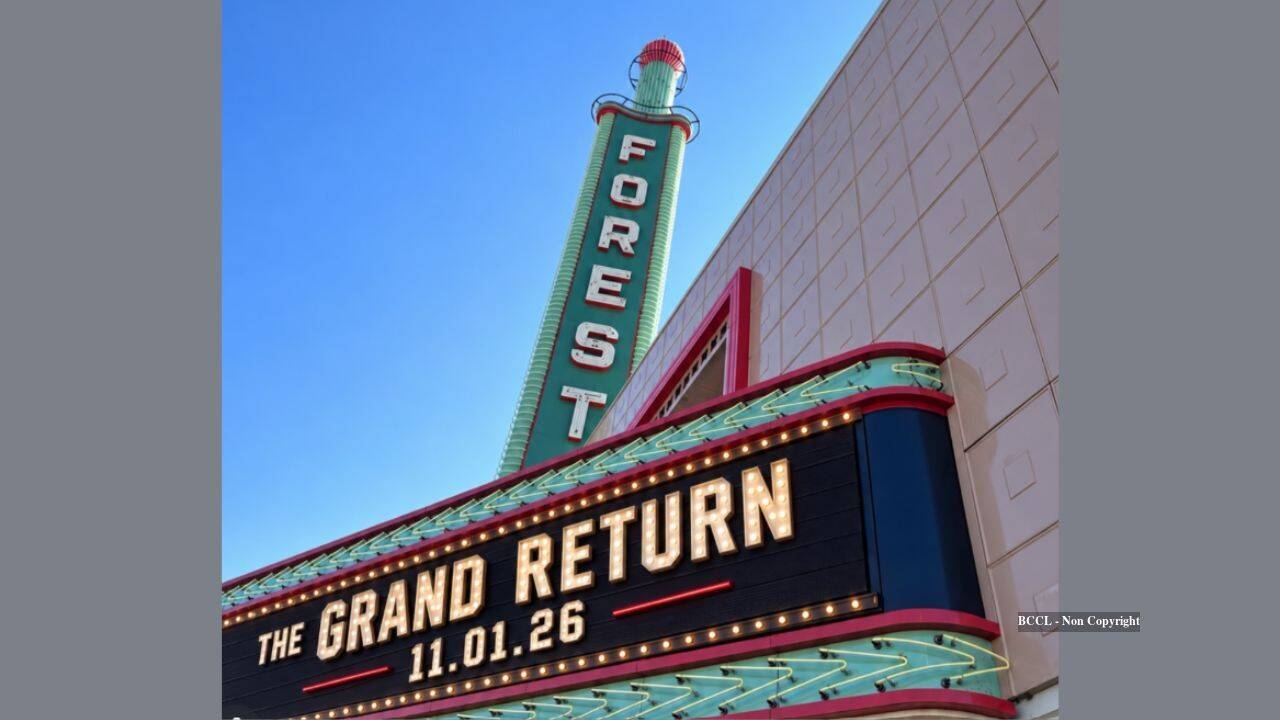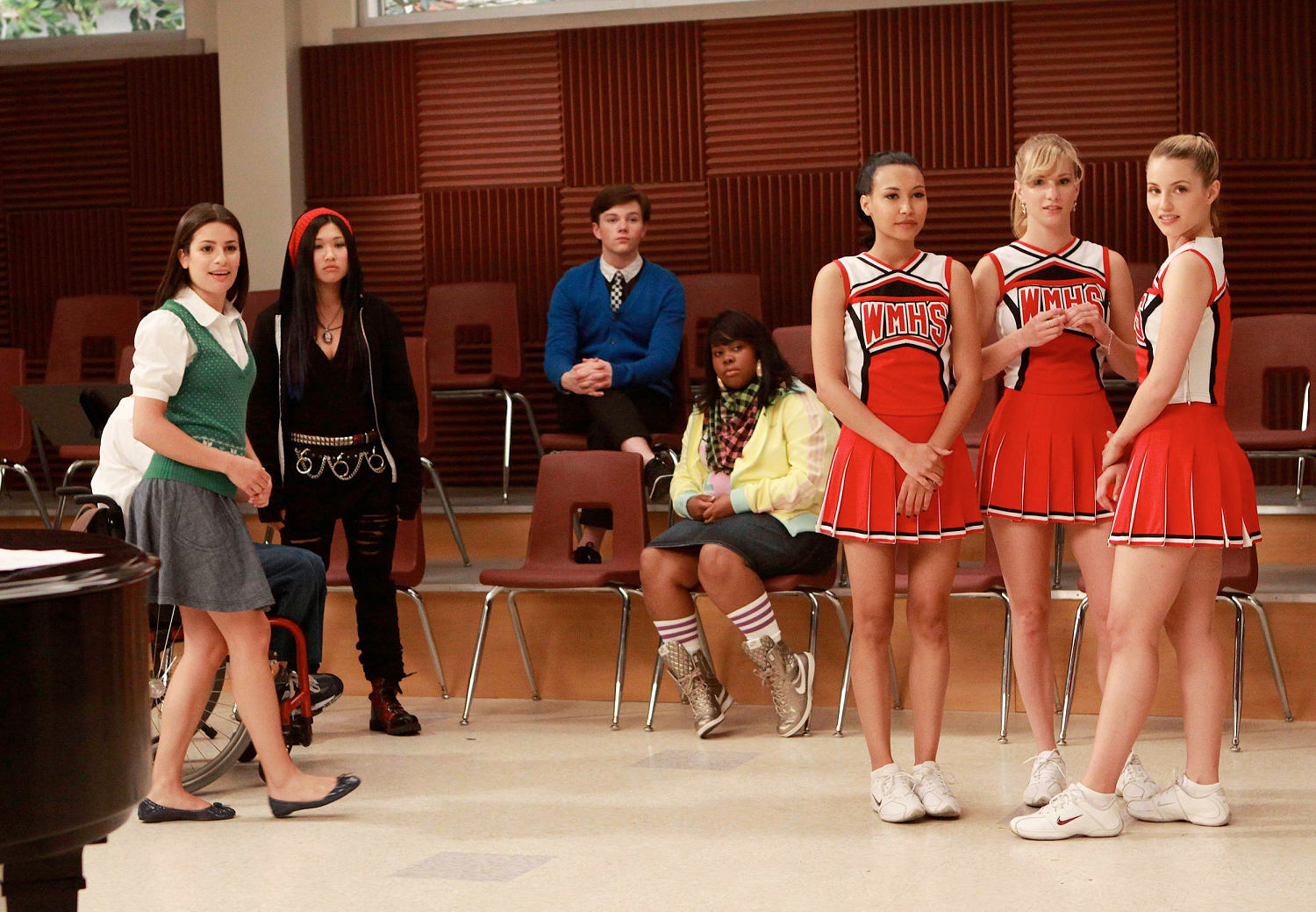
Hold onto your slushies because McKinley High is opening its doors again. Disney+ and Hulu officially handed down a series order for a Glee reboot, dragging the chaotic musical phenomenon back into the streaming spotlight. Over eleven years after the New Directions took their final bow on Fox, Ryan Murphy, Brad Falchuk, and Ian Brennan are back at the writing desk.
If you were online during the early 2010s, you remember the absolute chokehold this show had on pop culture. It was messy, it was unhinged, and it gave us some of the most bizarre cover tracks ever broadcasted on television. Now, it's returning. But before you get too nostalgic, we need to talk about whether a show like this can actually survive today without turning into an absolute cringe fest.
What We Actually Know About the Revival
Information is still trickling out, but the core creative team isn't wasting time. Ryan Murphy announced that he already finished writing the first script. 20th Television is handling production, and the project is moving fast.
Instead of a complete clean slate, the series looks like it's leaning toward a hybrid approach. Original creators are bringing back a mix of familiar faces alongside a fresh student body. Murphy claims he has already spoken with about ten original cast members who are enthusiastic about the concept.
Variety reported that Lea Michele is locked in to reprise her role as Rachel Berry, a move that is already dividing the internet. Heather Morris has heavily hinted at the return of Brittany S. Pierce, posting iconic throwback content with captions confirming she is back for more. Other cast members like Chord Overstreet and Jenna Ushkowitz have also dropped heavy hints online. Meanwhile, people like Chris Colfer have admitted they were completely in the dark, proving that the behind-the-scenes energy might just match the original show's chaotic history.
Why Now? Blame TikTok
Let's be honest about why this is happening. Disney didn't suddenly wake up with a burning artistic desire to hear high schoolers belt out Journey covers. Streaming algorithms and TikTok did this.
Clips of Sue Sylvester's unhinged insults, dramatic mashups, and melodramatic club room arguments went viral among a generation too young to watch it live on cable. Murphy himself admitted that the sudden resurgence of youth viewership made him realize the brand still has massive pull.
Shows from that era operated under completely different television rules. A standard network season used to churn out twenty-two episodes a year. That meant writers rooms were constantly running on fumes, pumping out weird storylines about teenage pregnancy, killer klowns, and elaborate flash mobs in school hallways. Streaming models work differently now. A shorter, punchy eight-episode order might save the writers from writing themselves into bizarre corners, but it might also strip away the campy soap-opera magic that made the original run so addictive.
The Heavy Baggage the New Show Can't Ignore
You can't talk about a revival without acknowledging the dark cloud hanging over the franchise. The original run was plagued by real-life tragedies and intense off-screen tension that shocked fans worldwide. Losing Cory Monteith and Naya Rivera changed the DNA of the show forever, leaving emotional gaps that can never truly be filled. Any attempt to bring back the spirit of McKinley High has to handle these ghosts with genuine respect rather than cheap emotional manipulation.
There's also the cultural shift to consider. Humor from 2009 has aged like milk left out in the sun. Subplots that relied on punching down, stereotypical caricatures, and casual cruelty would get dragged instantly today. If the writers try to recreate the exact same edge without adapting to modern sensitivities, it's going to fall flat. But if they sanitize it too much, it loses the chaotic satire that made Sue Sylvester an icon. It's a razor-thin tightrope walk.
Can lightning strike twice?
Reboots usually suck. Most nostalgic cash grabs rely entirely on name recognition while forgetting the ingredients that made the original property work.
The original series worked because it was earnest. It was deeply cringe-worthy at times, but it meant every single note it hit. The kids in that choir room felt like outcasts, and for all its narrative flaws, it gave millions of teenagers a safe space to feel seen.
If this new iteration leans into self-awareness without losing its heart, it might actually work. If it just becomes a cynical exercise in fan service, viewers will turn it off before the first musical number ends. Get ready to cringe, because whether we like it or not, the choir room is open for business again.